
Discover the vibrant European Bee-eater in Kruger National Park. Learn about its migration, hunting behavior, and where to spot it during your stay at Needles Lodge in Marloth Park.
The Ghosts in the Riverine: Getting to Know the Fever Tree
Posted by Denis on Mon December 8, 2025 in Trees of Southern Africa, Kruger National Park, Marloth Park, and Fauna and Flora of Kruger National Park.

Discover the ecology, beauty and importance of the Fever Tree (Vachellia xanthophloea). Learn where to find them near Marloth Park and how they support wildlife, soils and riverine ecosystems.
In the African Lowveld, where the sun beats down and the rivers snake through the bush, you’ll find a tree that practically glows: the Fever Tree (Vachellia xanthophloea). This isn't your average savanna tree; its bark shines a brilliant lime-green or sulphur-yellow, making it look almost spectral. That's why people sometimes call it the "ghost of the riverine."
If you’re out exploring Marloth Park and come across a stand of these luminous trees against the golden light, it is one of the most memorable sights you’ll experience.
Scientific Name: Vachellia xanthophloea
Identifying Feature: Smooth, powdery, lime-green to sulphur-yellow bark
Habitat Requirement: High water table (riverbanks, swamps, floodplains)
Height: Can reach 15–25 meters tall
Ecology: Nitrogen fixer; provides fodder and shelter for elephants, giraffes, monkeys, and many bird species
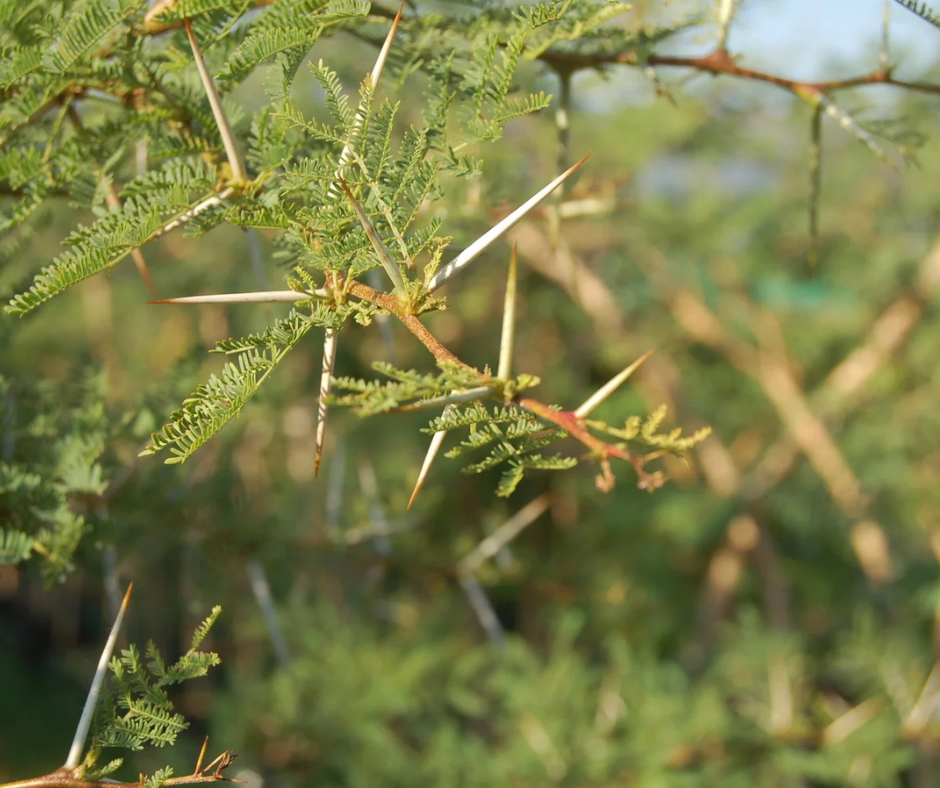
Defense: Pairs of straight white spines
Why the Name? Myth vs. Fact
The name Fever Tree is a bit misleading, and here’s the story behind it:
Early explorers, hunters and traders moving through the Lowveld, from the 1800s onward, often fell sick with malaria after travelling along swampy rivers lined with Fever Trees. Because these yellow-barked trees were so distinctive, many assumed they caused the illness.
Local communities had long avoided camping under them — not because the tree was dangerous, but because it marked waterlogged areas where mosquitoes breed. Over time, these overlapping beliefs merged into the myth that the tree itself caused the fever.
The truth is simple: it wasn't the tree, but the mosquitoes breeding in the high concentration of damp wetlands and stagnant water that the tree loves.
Scientifically, its name gives a more direct clue: xanthos is Greek for yellow, and phloios means bark. A straightforward name for a somewhat strange-coloured tree!
Where It Lives and Why It Glows
The Fever Tree has a very specific preference: it absolutely needs a high groundwater table. You'll find it lining riverbanks, floodplains, and swampy margins—anywhere the water is close to the surface. This dependency is why seeing a Fever Tree tells you immediately that water is nearby.
As for the glowing bark, it's not just for show. The smooth, powdery, yellow-green bark actually photosynthesises (makes food) when the tree loses its leaves during dry periods. It’s an efficient adaptation for survival.
Key Features: Quick Facts on the Anatomy
- Size: Grows quickly, reaching heights of 15–25 meters (about 50 to 80 feet).
- Defense: Young trees are protected by straight white spines that grow in pairs along the branches.
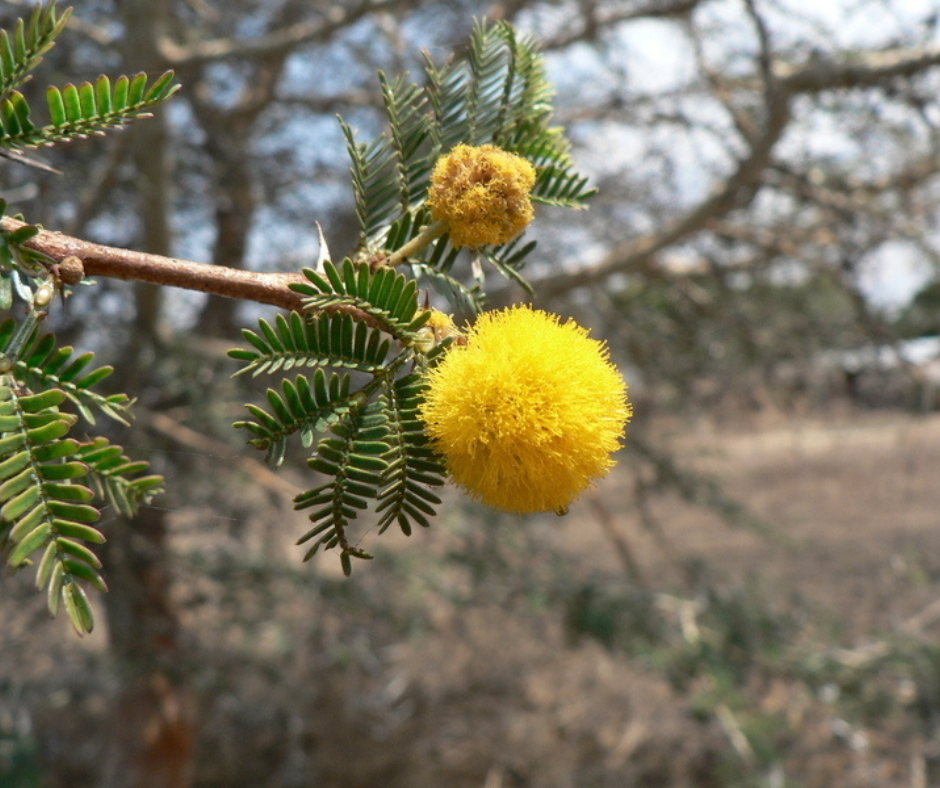
- Leaves and Flowers: The leaves are delicate and feathery, typical of many acacia species, creating a soft, lace-like canopy that dances in the breeze. In spring, the tree produces clusters of small, creamy-yellow spherical flower heads that are known to attract large numbers of bees and other pollinators. Interestingly, Fever Trees are polygamous, meaning they bear both male and bisexual flower heads. While the male flowers produce only pollen, the bisexual ones contain both reproductive parts, allowing for full fertilisation and seed production. This dual strategy boosts the tree’s chances of successful reproduction and contributes to its ecological resilience.
- Lifespan: The Fever Tree has a relatively short lifespan compared to many other savanna species. It grows quickly and tends to occur in even-aged stands, which means that simultaneous die-back across multiple trees is a common and natural phenomenon. This cycle is often linked to changes in the water table, seasonal drought, or browsing pressure from herbivores such as elephants.
- Bark: Contains tannins and gum, historically used in traditional medicine, dyes, and early ink recipes.
Ecosystem Role: Why Wildlife Needs the Ghost
The Fever Tree is a vital hub in the riverine ecosystem, providing food and shelter year-round:
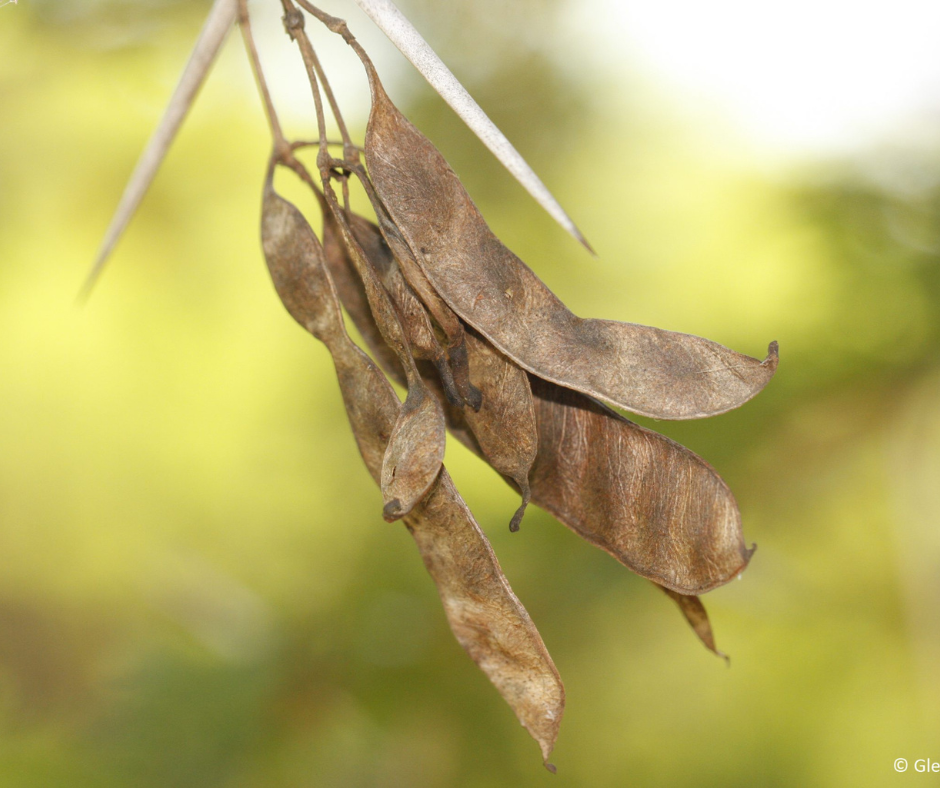
- Big Eaters: Elephants eat the young branches and twigs, while giraffes and monkeys feed on the leaves and pods.
- The Larder: The bark, gum, leaves, flowers, and pods support a wide variety of browsers, insects, and birds.
- Soil Helpers: As a member of the legume family, it naturally fixes nitrogen in the soil, which helps keep the riparian areas fertile.
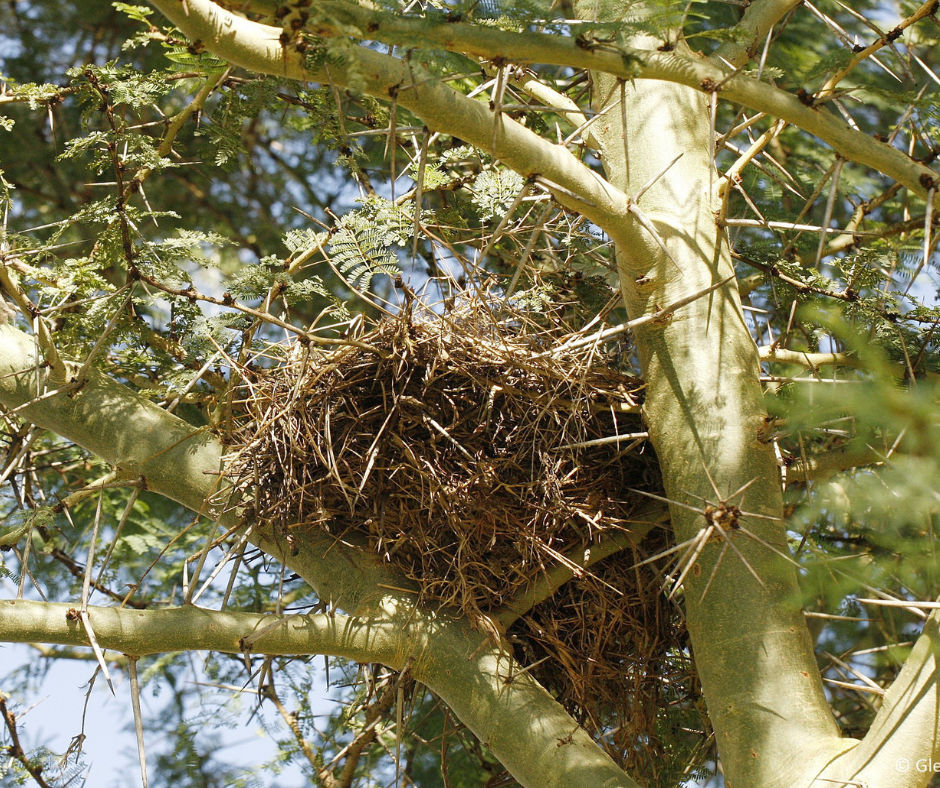
Basically, if you find a stand of Fever Trees, you’ve found an area rich with food and natural cover for everything from insects to the largest mammals.
To walk beneath a stand of Fever Trees—to feel the soft rustle of feathery leaves, to see the bark glow in the late-day light, to hear the distant trumpet of an elephant or the buzz of bees—is to step into one of nature’s subtle masterpieces.
These “ghosts in the riverine” are more than just pretty scenery. They are lifelines: woodland-makers, soil-keepers, shelter-givers, and food-providers. They link the land and the water, the bush and the wetland, and animals and humans in this ecosystem. They truly are living sentinels of the African water sources.
Further Reading
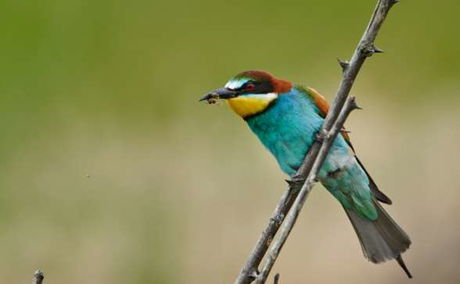
The European Bee-eater – A Jewel Over the Bushveld
Tue September 9, 2025
Read This Article
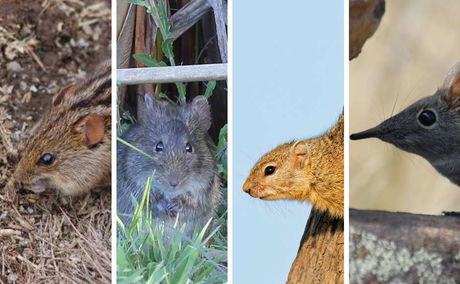
The Quiet Custodians – How Rodents Keep the Kruger Bush Balanced (and Fed)
Tue August 19, 2025
Read This Article
Discover how rodents in Kruger National Park play a vital role in maintaining ecosystem balance. Learn about their habits, importance, and how to spot them near Needles Lodge in Marloth Park.
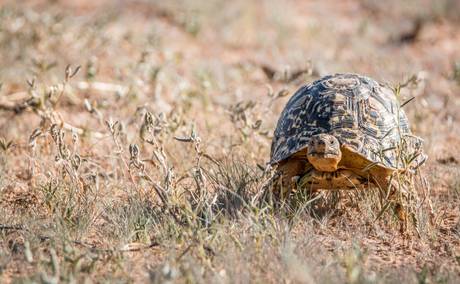
The Leopard Tortoise: A Spotted Survivor of the African Bush
Wed September 18, 2024
Read This Article
n the sun-scorched African wilderness, a surprisingly resilient reptile stands out—the Leopard Tortoise (Stigmochelys pardalis). While it may lack the speed of a cheetah or the might of a lion, this tortoise is a master of survival, equipped with a shell so strong it can endure the bite of predators and even withstand being stepped on by an elephant.
Share This Post