
Discover the Jackalberry tree (Diospyros mespiliformis) in Marloth Park and Kruger — its ecology, wildlife role, conservation, and why you’ll remember it on safari.
The Marula Tree: The Bushveld's Tree of Life
Posted by Denis on Tue April 14, 2026 in Needles Lodge, Fauna and Flora of Kruger National Park, Marloth Park, Kruger National Park, and Trees of Southern Africa.
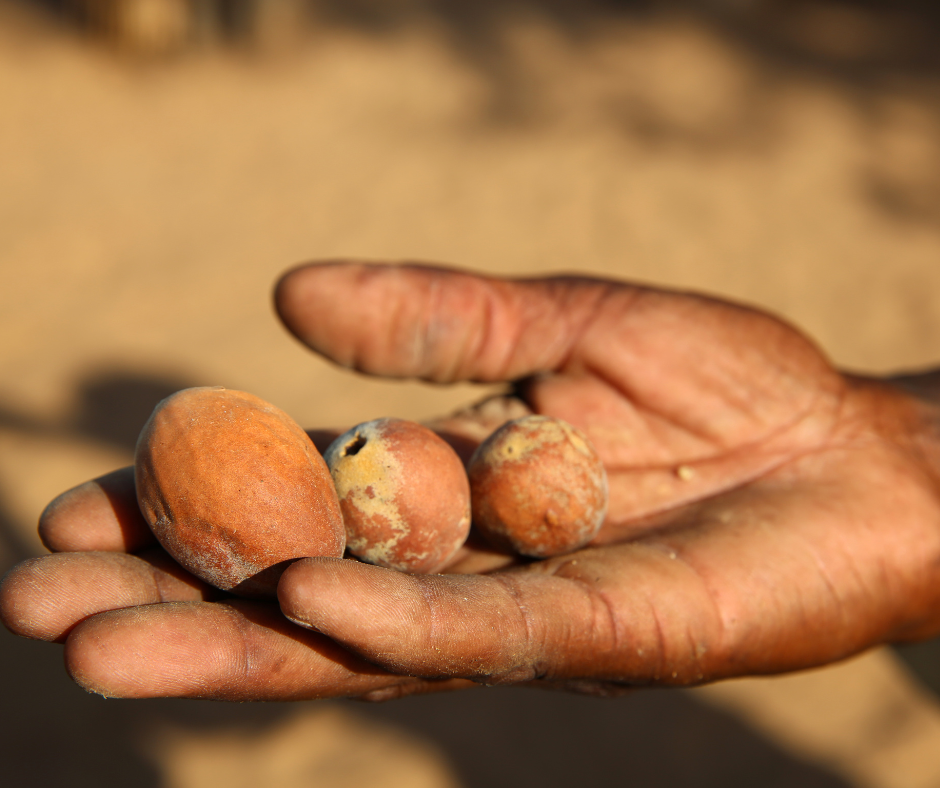
Discover the Marula Tree in Kruger National Park and Marloth Park — its wildlife role, fascinating uses, elephant connection, and why it’s one of the bushveld’s most beloved trees.
The Marula Tree in Marloth Park and Kruger
If you spend any time in Marloth Park or Kruger National Park, the marula tree is one you'll start recognising fairly quickly. That broad, spreading crown. The pale, lightly mottled bark. The way wildlife seems to gather around it with a sense of purpose, especially when the fruit is down.
It's not the most dramatic tree in the bush. But it might be the most useful one.
What Is the Marula Tree?
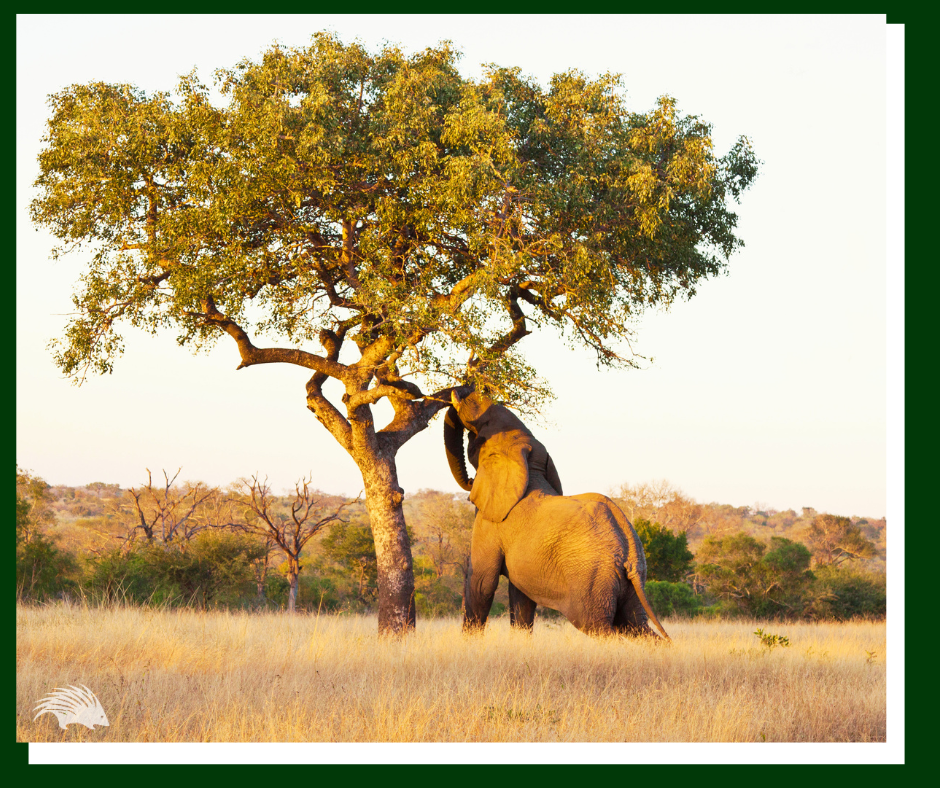
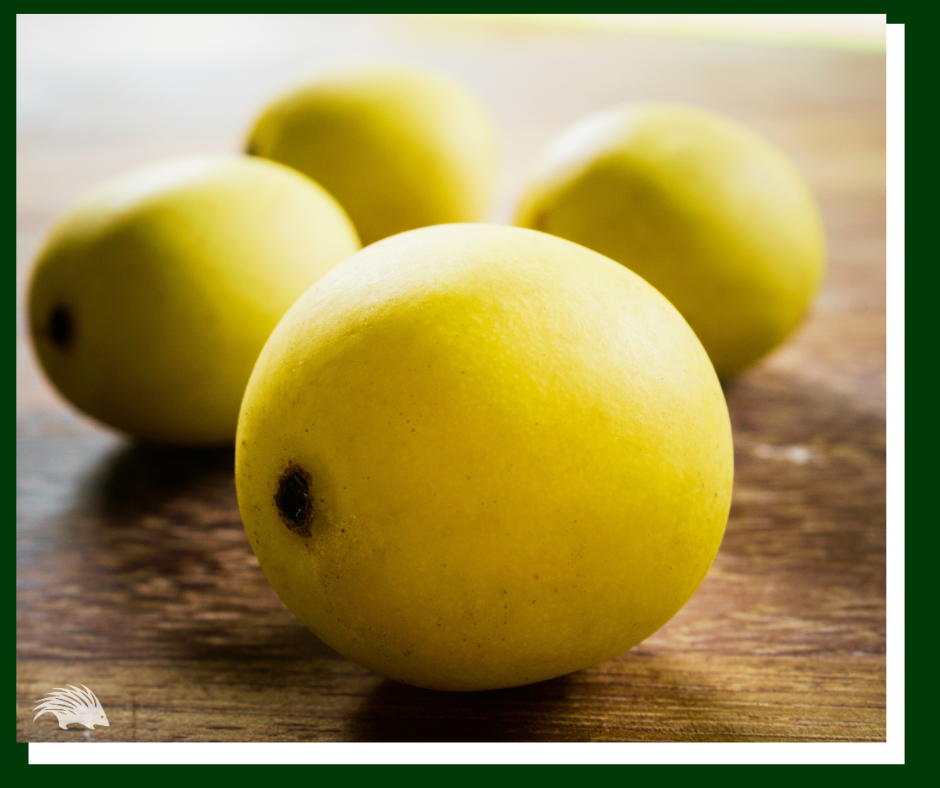
The marula (Sclerocarya birrea) is a medium to large deciduous tree that grows up to around 18 metres tall. It belongs to the mango family, which makes sense once you see the fruit — small, yellow, and fragrant when ripe.
It's widespread across the Lowveld and northern South Africa, thriving in warm savanna and bushveld habitats, and it's a common and welcome sight throughout Kruger and Marloth Park.
Why Wildlife Loves It
When marula fruit ripens in late summer and into autumn, the activity around these trees picks up noticeably. Elephants, baboons, warthogs, giraffe, kudu, and a good variety of birds all feed on the fruit, leaves, or bark at different times of year.
A fruiting marula is genuinely worth stopping at. Elephants will work through the fallen fruit methodically. Baboons pick through what's left. Birds move in and out of the canopy.
It's a good reminder that not all the interesting wildlife behaviour in Kruger involves predators — sometimes it's just a tree doing its job very well.
The Marula Myth
Do Elephants Actually Get Drunk on Marulas?
This one comes up a lot, and the honest answer is: probably not in the way the story suggests. Marula fruit does ferment after falling, and it's high in sugar. But researchers have pointed out that an elephant would need to consume an unrealistic quantity of already-fermented fruit in a short period to show any real effects.
The legend has been around long enough that it's taken on a life of its own — and it certainly didn't hurt the marketing of Amarula, South Africa's most famous export from this tree — but the science doesn't really back it up.
That said, baboons under marula trees can sometimes behave in ways that leave you wondering.
Male and Female Trees
The marula is dioecious, meaning male and female flowers grow on separate trees. Only the female trees produce fruit, while the males provide pollen.
In practice this means not every marula you see will bear fruit — and there's some evidence that female trees attract more elephant attention and damage as a result. A reasonable trade-off, perhaps, from the elephant's perspective.
Its Place in Human History
Long before marula oil appeared in cosmetics or Amarula made the tree internationally famous, this tree was already deeply embedded in everyday life across southern Africa.
Archaeological evidence shows people have been eating marula fruit for thousands of years. The fruit is rich in vitamin C, the kernels inside the stone are highly nutritious, and various parts of the tree have been used traditionally in food preparation, medicine, and skincare.
It's not just ecologically important. It's been a practical resource for people in this part of the world for a very long time.
Why It Matters Ecologically
The marula supports a wide range of species across the year — through its fruit, its canopy, and the insects it attracts. In a living landscape like Kruger, it functions as one of those anchor species that quietly holds a lot of the ecosystem together.
It's the kind of thing that's easy to overlook when you're focused on the animals, but once you start noticing the trees, you begin to understand just how much depends on them.
Amarula: A South African Essential
If you haven't tried Amarula yet, consider it a non-negotiable part of any South African visit. Made from the fruit of the marula tree and blended with cream, Amarula is one of South Africa's most beloved exports — a rich, smooth liqueur with a distinctive flavour that's hard to describe until you've tried it.
Slightly fruity, gently sweet, and unmistakably African in character.
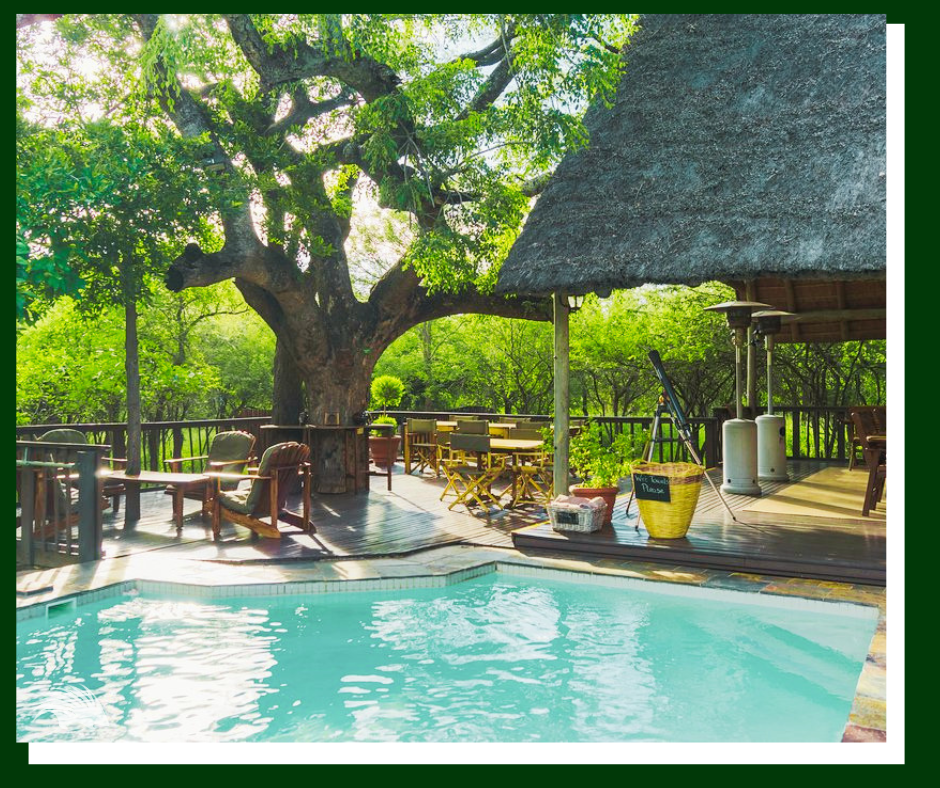
Best savoured over ice on a warm summer evening beneath the canopy of our great marula tree, growing through the deck at Needles Lodge, or stirred into a hot coffee around the boma fire when the winter nights turn cold.
Further Reading
Jackalberry: Shade Tree of the Riverine
Tue October 21, 2025
Read This Article
The Mopane Tree: Africa’s Resilient Giant of the Savanna
Mon September 30, 2024
Read This Article
Explore the fascinating role of the Mopane Tree in Africa’s savannas. From feeding elephants and Mopane Worms to its traditional medicinal uses, discover how this resilient tree supports both wildlife and local communities.
The Baobab: Africa's Iconic "Tree of Life"
Wed December 6, 2023
Read This Article
The baobab tree, an African icon, symbolizes resilience and life, deeply rooted in African culture and ecosystems. Revered in folklore and vital in maintaining ecological balance, it offers shelter and sustenance to diverse species and serves as a communal hub, with its uses ranging from medicine to crafts. Eco-tourism, particularly in areas like Kruger National Park, plays a key role in its conservation, raising awareness and funds to protect this majestic tree,...
Share This Post