
Discover echoes of The Great South African War in the Kruger Lowveld. From Komatipoort to Barberton, the bushveld still remembers its wartime past.
The Wildlife Warriors: Early Rangers & the Birth of Conservation in Kruger National Park
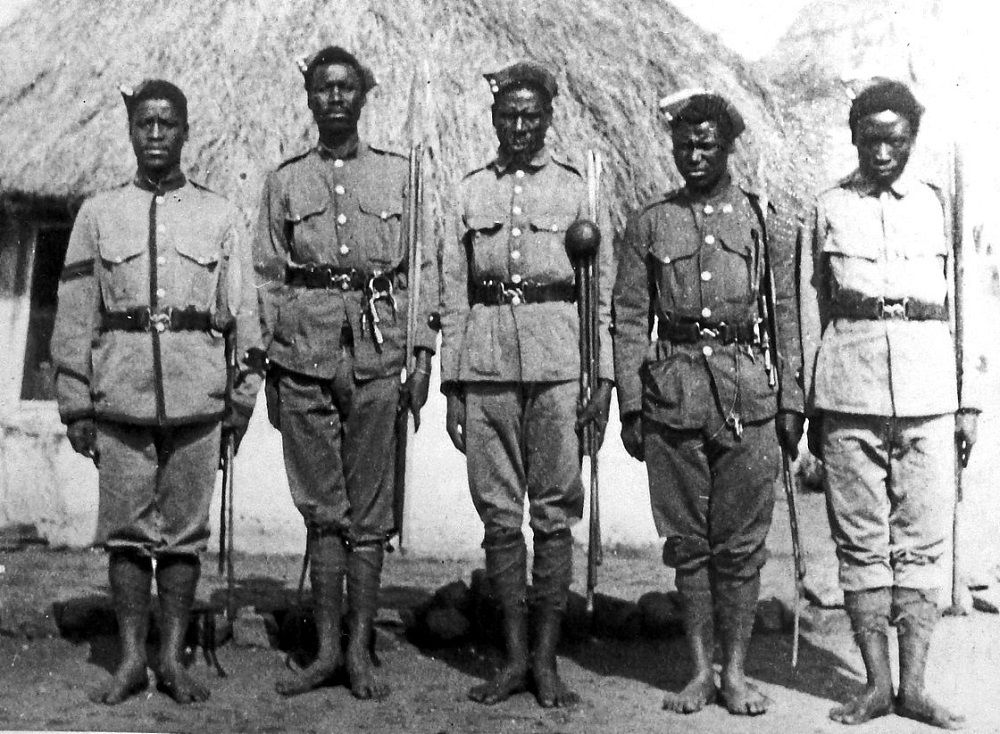
A story of courage, vision, and sacrifice — discover how Kruger’s first rangers and conservation pioneers saved Africa’s wilderness and shaped the park we know today.
The Wildlife Warriors: Early Rangers & the Birth of Conservation in Kruger National Park
At the turn of the 20th century, the African Lowveld was wild, beautiful—and in trouble. Elephants, lions, rhinos, and antelope still roamed freely, but with no rules in place, they were being hunted relentlessly. The wilderness was disappearing fast.
That changed thanks to a few stubborn, forward-thinking individuals. Today, when visitors relax at Needles Lodge in Marloth Park and look toward Kruger National Park, they’re witnessing the legacy of those early conservationists. Their work helped shape the landscape—and the future of African wildlife.
For a deeper dive into Kruger’s early days, see Kruger: A Kingdom of Wilderness—How It All Began.
Before It Was Kruger
In the late 1800s, South Africa’s wildlife was being pushed to the brink. Overhunting, ivory trading, and outbreaks of disease like rinderpest had taken a huge toll. Conservation wasn't a movement yet. But the damage was becoming impossible to ignore.
In 1898, President Paul Kruger set aside a stretch of land between the Sabie and Crocodile Rivers to form the Sabie Game Reserve. It was a radical move at the time, when most people still saw wildlife as a resource, not something to protect.
Another reserve—Shingwedzi—was added later. Together, they laid the foundation for what would become South Africa’s first national park. But the idea alone wasn’t enough. Making it real took people on the ground, willing to do the hard work.
The early 1900s marked the beginning of a new kind of wilderness management—one where the land wasn’t just exploited for profit, but defended and studied for preservation. And in the bush, a new type of hero emerged.
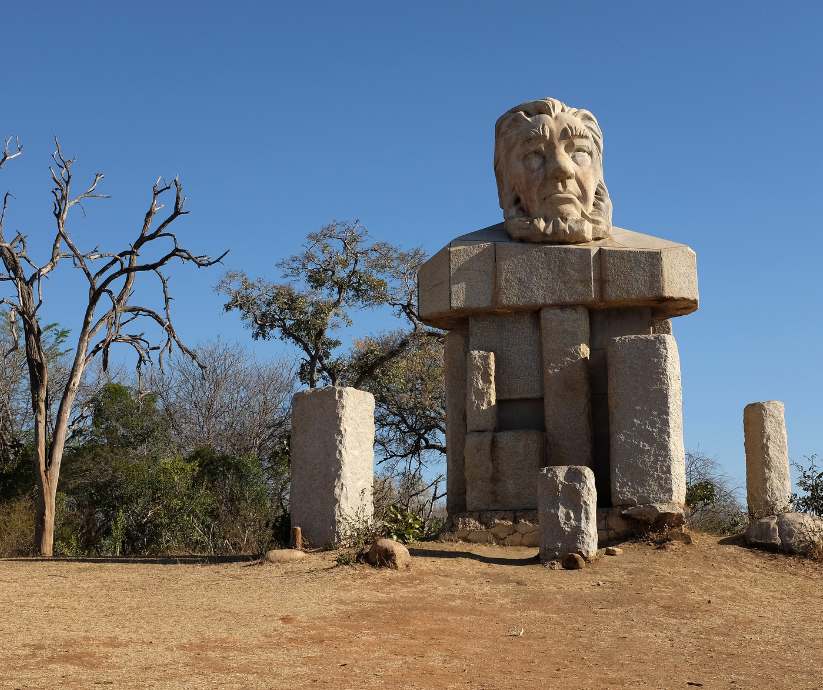
James Stevenson-Hamilton: First In, Last Out
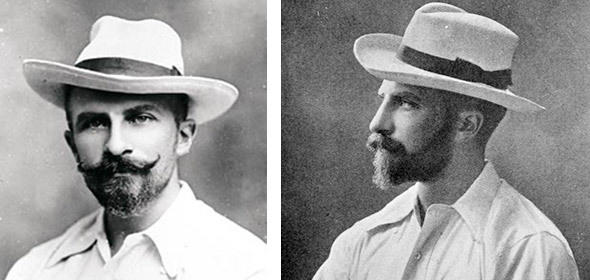
In 1902, James Stevenson-Hamilton became the first warden of Sabie. He arrived to find a damaged, neglected landscape and plenty of people who didn’t care.
He didn’t back down. For more than four decades, he pushed for better protection, cracked down on poaching, and fought for support. Thanks to his persistence, the park was formally established in 1926, combining Sabie and Shingwedzi into the Kruger National Park we know today.
Stevenson-Hamilton was more than just a manager. He was a visionary. He believed in the intrinsic value of the wild—a belief that set him apart at a time when most considered wildlife protection a sentimental luxury.
He also understood the importance of building a team. Under his guidance, a handful of early rangers became the first line of defense against threats to the park.
The Early Rangers: Unsung Heroes of the Bush
Stevenson-Hamilton had the vision, but the early rangers were the ones out there walking the bush, often alone. They dealt with heat, isolation, wild animals, and more than their share of danger.
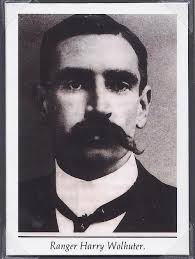
Harry Wolhuter, one of the first game rangers, famously survived a lion attack and served the park for 44 years. He once brought down a charging lion with only a knife—an act that’s still talked about in ranger circles today. His dog, Bull, alerted him to the lion before it attacked, and the lion skin and knife remain on display at the Stevenson-Hamilton Library.
Nombolo Mdluli, who started in 1919, worked for over five decades. His legacy extends beyond fieldwork—his name lives on at the Nombolo Mdluli Conference Centre near Skukuza, honoring his years of service and resilience.
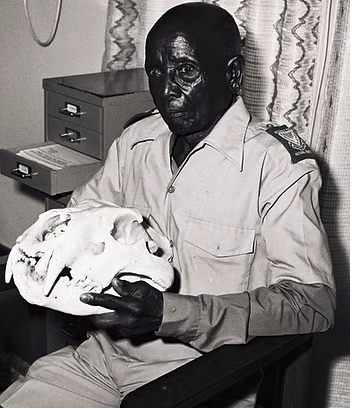
These early rangers were more than just patrolmen. They were biologists, mechanics, bush doctors, trackers, and sometimes diplomats.
Volunteers from the Start
Even in the early days, locals pitched in to help. Long before the SANParks Honorary Rangers were formally organized in 1964, volunteers were supporting the rangers with patrols, repairs, and public outreach. That tradition continues today—community involvement has always been part of Kruger’s DNA.
Today’s SANParks Honorary Rangers contribute thousands of volunteer hours annually. They assist with conservation education, anti-poaching operations, and fundraising efforts that help keep Kruger sustainable.
To explore modern conservation work in the park, check out Wild Guardians: How Conservation Efforts in Kruger Keep Evolving.
Tourists and the Park
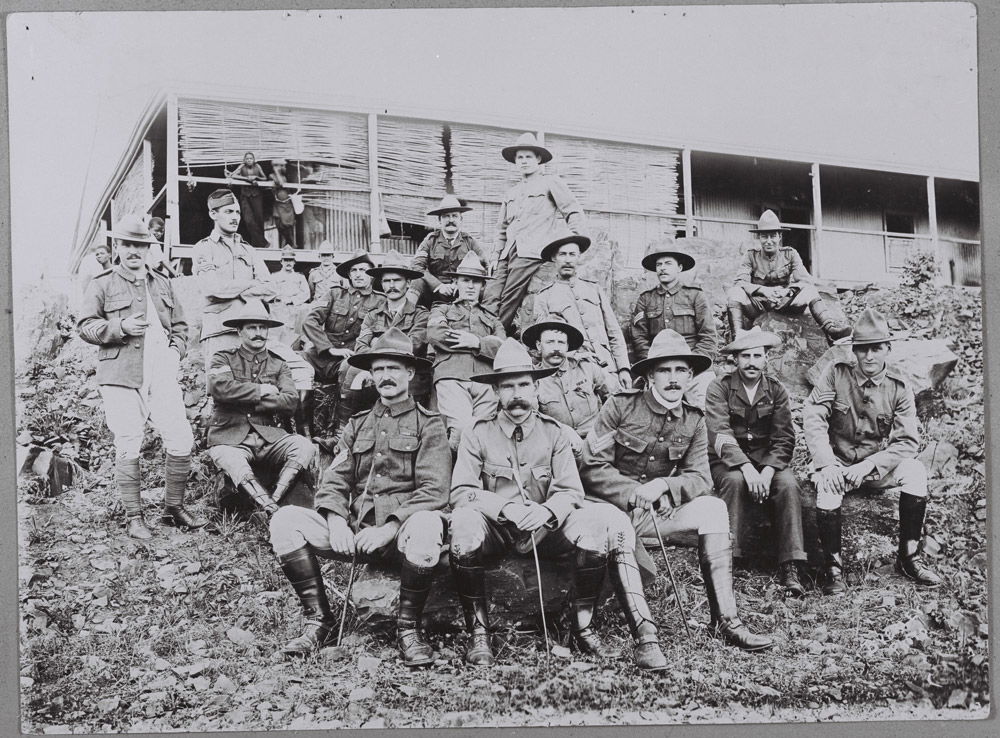
Once Kruger was declared a national park in 1926, tourism became part of the picture. The park needed money and public support, and tourism helped with both. By 1927, visitors were already driving through.
Rangers became guides and educators, showing people how to appreciate the bush without damaging it. That balance—between access and protection—is still part of the Kruger experience today.
The earliest tourist roads were built by hand. Visitors stayed in rondavels, often bringing their own food. But the allure was the same: to see wild Africa with their own eyes. It was, and still is, a reminder of what’s worth protecting.
Responsible tourism remains critical. Lodges like Needles Lodge embrace this ethos, offering immersive experiences that prioritise education, respect for the land, and support for local communities.
The Struggles Weren’t Over
Creating the park didn’t make the problems disappear. Poaching, droughts, and diseases remained constant threats. Politics and social tensions added more pressure. But Kruger kept going. And over time, it became a place where science, conservation, and community work came together.
During apartheid, access to the park was deeply unequal, and many communities were displaced to create park boundaries. Today, SANParks is working to reconnect with those communities through partnerships, employment, and conservation education.
Rangers also face increasingly complex threats: highly organized poaching syndicates, invasive species, and climate pressure that affects rainfall, vegetation, and animal movement. Conservation is never static—it evolves with each new challenge.
Rangers Today
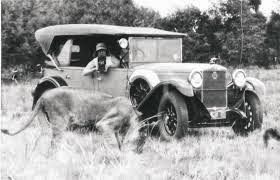
Today’s rangers are better trained but face no less responsibility. Before they ever start patrols, they’re trained in everything from tracking and ecology to fire control and working with visitors. In 2024 alone, 33 new field rangers joined the team—proof that the mission is still alive.
Rangers now use a mix of traditional skills and modern tools: GPS, night-vision gear, drones, and AI-supported wildlife monitoring. But at their core, they are still guardians of the bush, carrying on a legacy that started over a century ago.
They’re not alone. Honorary Rangers and local groups help out, proving again that conservation is a team effort.
Why the Past Still Matters
Every elephant sighting, every lion call, every quiet walk through the bush is part of a bigger story. The early rangers were doing more than just protecting animals—they were protecting a future. Their work is still shaping Kruger, and it reminds us what’s at stake.
It’s easy to forget, amid the thrill of a game drive, that the stability of a place like Kruger is the result of daily, deliberate protection.
The Job’s Not Done
Kruger faces new challenges: climate change, shrinking habitats, and modern poaching tactics. But the early rangers showed what’s possible when people care enough to act.
From Marloth Park, you’re in a unique place to see that story unfold. The animals, the land, the people—they’re all part of the same legacy. And it started with a few determined individuals who chose to protect instead of exploit.
Key Dates
- 1898: Sabie Game Reserve created
- 1902: James Stevenson-Hamilton becomes first warden
- 1919: Nombolo Mdluli begins service
- 1926: Kruger National Park officially established
- 1927: Tourism begins
- 1964: Honorary Rangers formally created
- 2024: New generation of rangers graduate, AI tools introduced in Greater Kruger
Kruger’s story is about more than just untouched wilderness. It’s about people who fought to keep an ecosystem from disappearing. Their work still matters—every time you look across the Lowveld you are witnessing the work and sacrifice of wildlife heroes that came before us.
The future of conservation is built on the courage of the past—and the choices we make today. Whether you're a ranger, a guest, a volunteer, or simply someone who cares, you’re part of that story too.
Further Reading
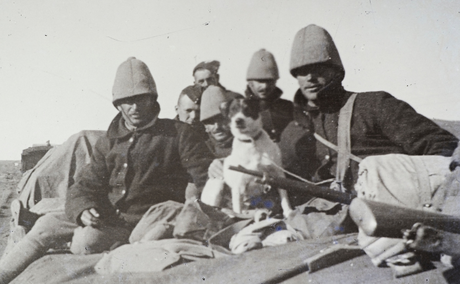
Bushveld Battlefields: The Great South African War Echoes Around the Park
Wed October 1, 2025
Read This Article
Your Vital Role in Supporting Wildlife Conservation at Kruger National Park
Sat May 11, 2024
Read This Article
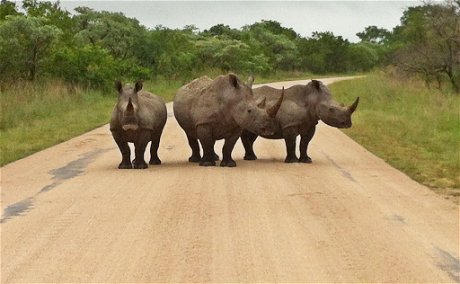
Visiting Kruger National Park isn't just a vacation; it's a critical support to conservation efforts. Each entry fee and safari helps fund wildlife management and anti-poaching initiatives essential for preserving the park's biodiversity. By choosing eco-friendly tours and respecting park guidelines, your trip supports sustainable practices that ensure Kruger remains a sanctuary for the iconic Big Five and other wildlife, making your visit vital for its future.

12 Tips on how to stay safe when you travel in South Africa
Mon September 30, 2019
Read This Article
Travelling abroad can sometimes seem quite intimidating. However there are many common sense tips on how to stay safe when travelling to South Africa.
Share This Post