Explore how Kruger National Park protects endangered species and how guests at Needles Lodge in Marloth Park can participate in real conservation efforts.
Conservation in Kruger: What’s Actually Happening Behind the Scenes
Posted by Denis on Tue April 7, 2026 in Kruger National Park, Nature Conservation, and Fauna and Flora of Kruger National Park.
Discover how conservation in Kruger National Park works behind the scenes — from antipoaching
units and wildlife monitoring to protecting rare species.
Kruger National Park runs one of the most ambitious conservation operations on the African continent. Here’s what’s happening beyond the game drives.
Behind every Big Five sighting is an enormous, largely invisible operation keeping Kruger intact. Conservation here has never been passive — it’s active, costly, and often dangerous, and it’s been that way for over a century.
A Park Born From Crisis
Kruger exists because wildlife in the Lowveld was disappearing. By the late 1800s, unrestricted hunting and land clearing had devastated animal populations across what is now Mpumalanga and Limpopo. The Sabie Game Reserve was proclaimed in 1898 to stop the collapse, becoming one of Africa’s first formal protected areas when declared a national park in 1926. Read more about this origin journey in Kruger: A Kingdom of Wilderness – How It All Began.
That founding crisis still drives how Kruger operates. It has never been a park that could simply be left alone.
Anti-Poaching Operations
Kruger’s anti-poaching effort is one of the largest conservation law enforcement operations in Africa. SANParks deploys hundreds of field rangers, many working in remote areas with genuine personal risk. Poaching networks are organised, well-funded, and armed — ranger work here is closer to military operations than wildlife management.
Aerial surveillance, camera traps, motion sensors, and drones form an integrated system running day and night. South Africa’s rhino poaching figures — which peaked at over 1,200 animals in a single year — have declined significantly as a result. But poaching networks adapt, and so must the response.
The Big Species — and the Pressure They’re Under
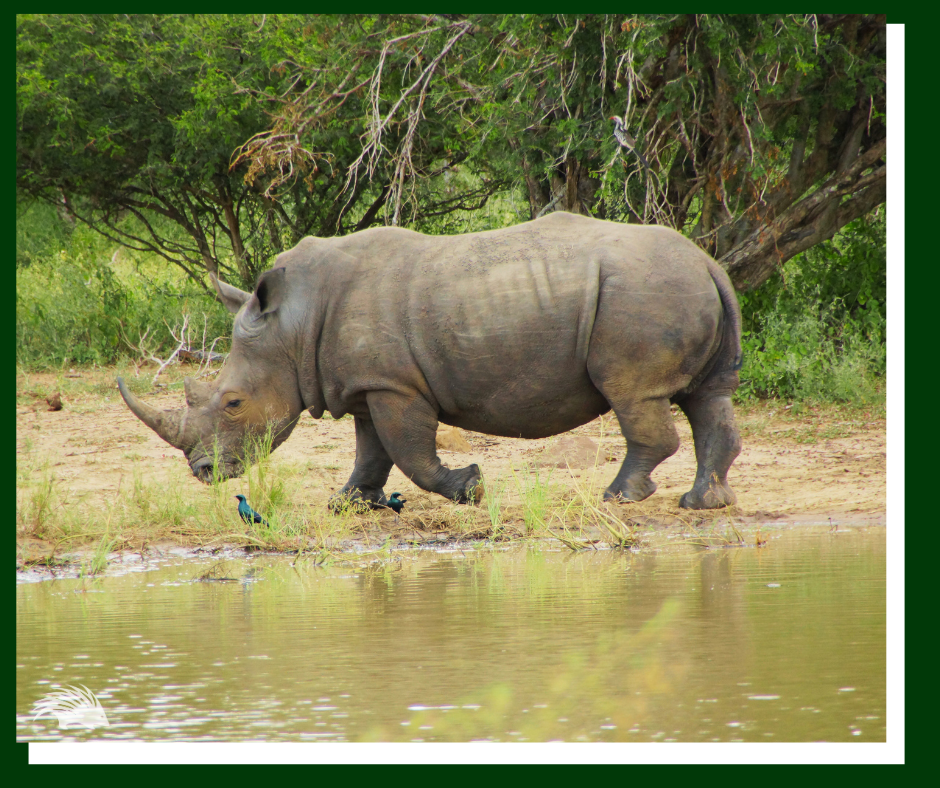
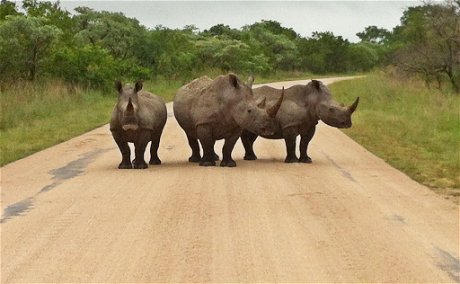
The rhino is the most visible symbol of Kruger’s conservation battle. Both white and black rhino remain under serious threat, and SANParks responds with dehorning programmes, tracking devices, microchips, and in some cases around-the-clock monitoring of individual animals.
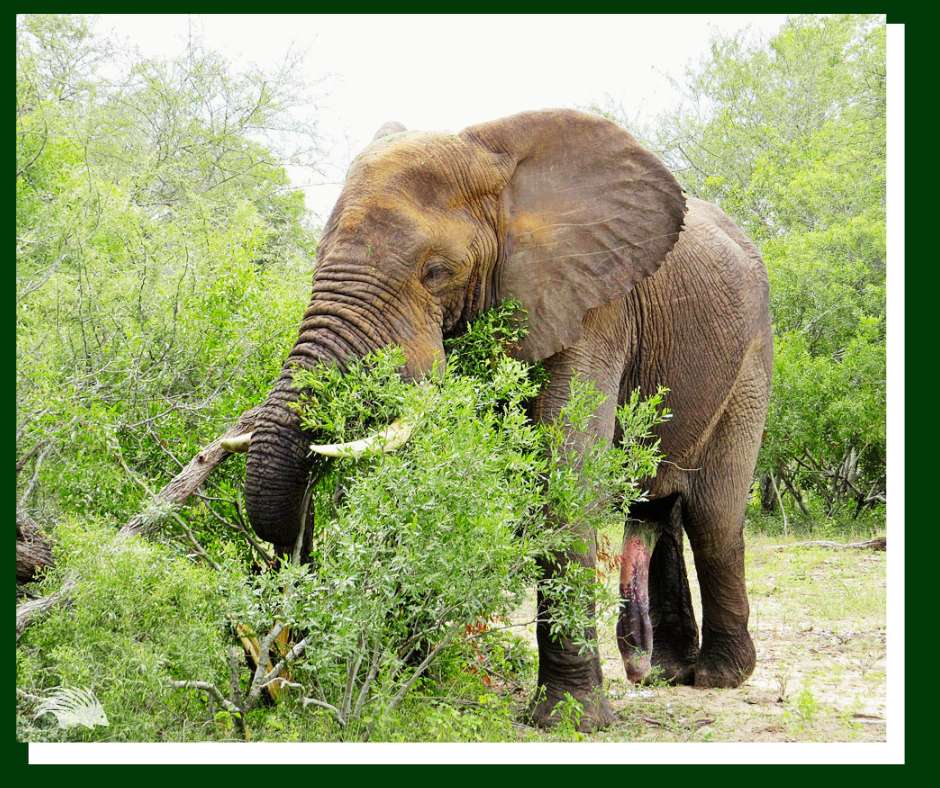
But the pressure extends well beyond rhino. Elephants — Kruger now supports an estimated over 31,000, making it one of the largest free-roaming elephant populations on the continent — require careful ecological monitoring and long-term management.
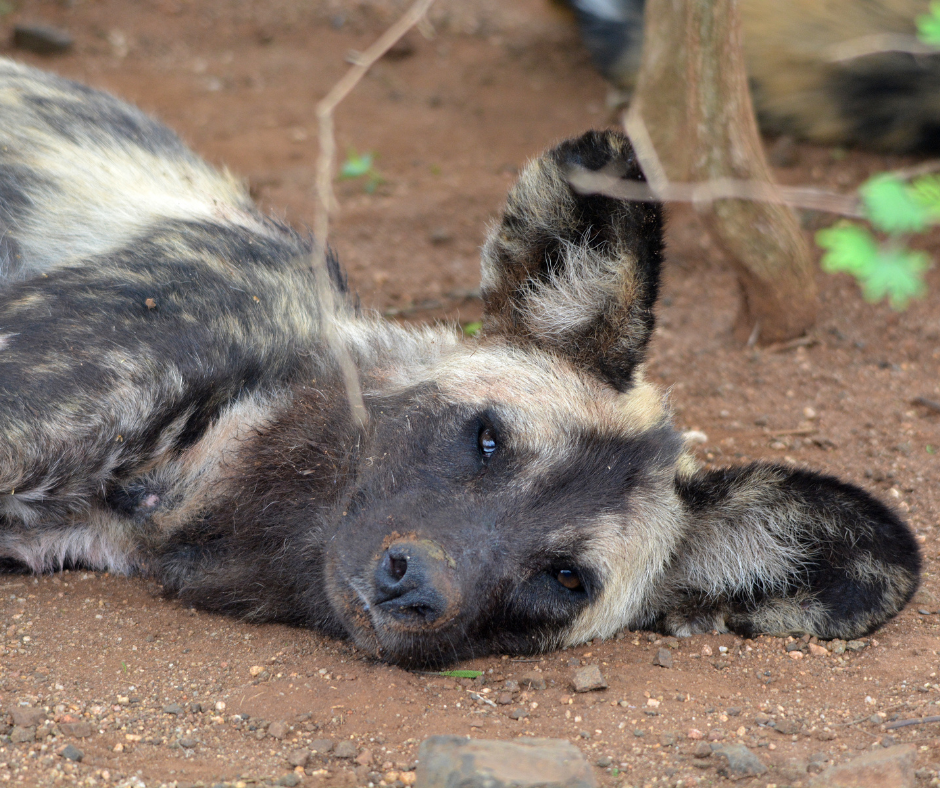
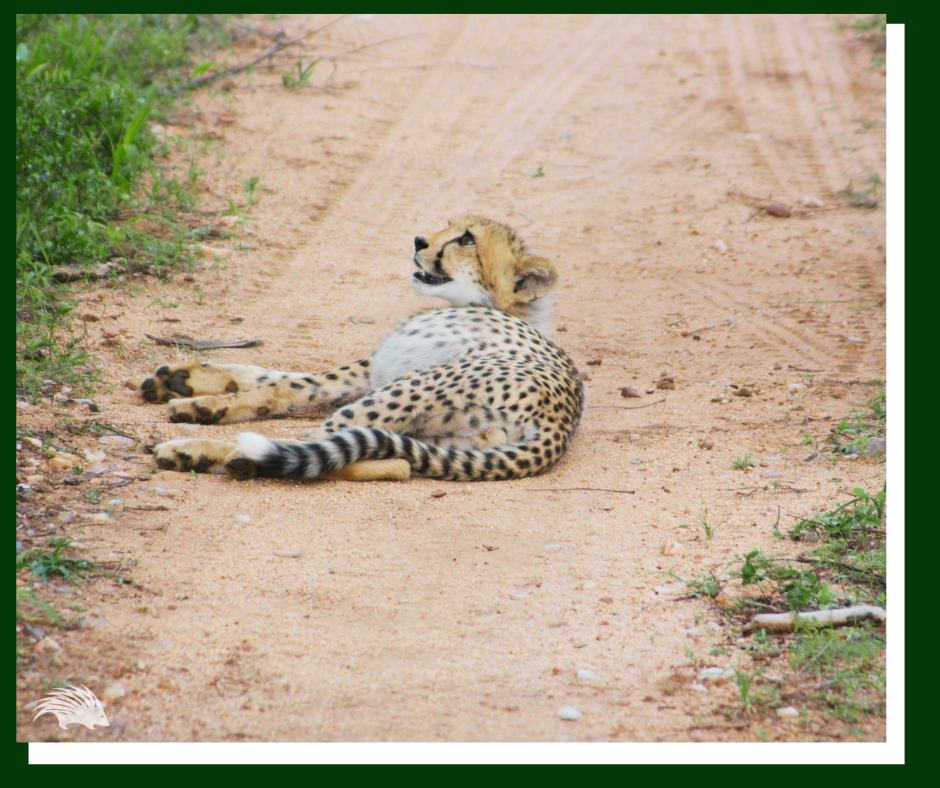
African wild dog packs are tracked and protected as one of the continent’s most endangered carnivores. Cheetah reintroductions are carefully monitored. Lion prides, leopard territories, and buffalo herds all fall under ongoing research and management programmes that most visitors never see or hear about.
The Smaller Species That Don’t Make the Headlines
Here is where Kruger’s conservation work becomes genuinely fascinating — because the park’s rarest and most ecologically significant species are often the ones you’d walk straight past without knowing it.
Pangolins
The ground pangolin (Smutsia temminckii) is perhaps the world’s most trafficked mammal, and Kruger holds one of the few viable wild populations remaining. Anti-poaching teams have specific protocols around pangolin protection, and sightings are logged and monitored carefully. Spotting one on a game drive is considered among the rarest wildlife encounters in southern Africa.
Vultures
Vultures — particularly the white-backed vulture and the critically endangered Cape vulture — are the subject of dedicated conservation programmes inside and around Kruger. Often dismissed as unglamorous scavengers, vultures are essential ecosystem cleaners. Poisoning by poachers (who target them because vultures circling overhead alert rangers to kills) has caused catastrophic population declines, and recovery efforts are slow and difficult.
African Wild Cats and Tiny Antelope
The African wild cat (Felis lybica) is another species of quiet concern. Genetically distinct from domestic cats, it is increasingly threatened by hybridisation as feral cats move into wild areas. Kruger’s wild cat populations are monitored as part of broader small carnivore research.
Sharpe’s grysbok, a tiny and almost impossibly shy antelope found in rocky thickets, is rarely seen but resident in parts of Kruger.
Similarly, the suni — one of the smallest antelope species in Africa — inhabits dense coastal and riverine forests in the park’s northeastern sections and is easily overlooked.
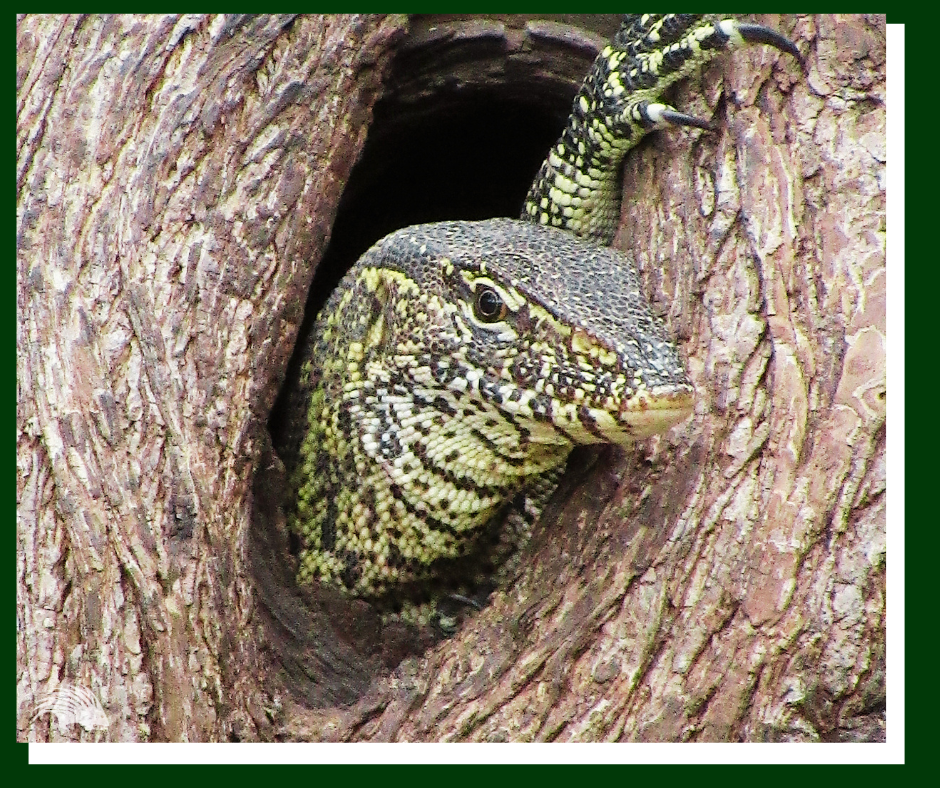
Reptiles Under Pressure
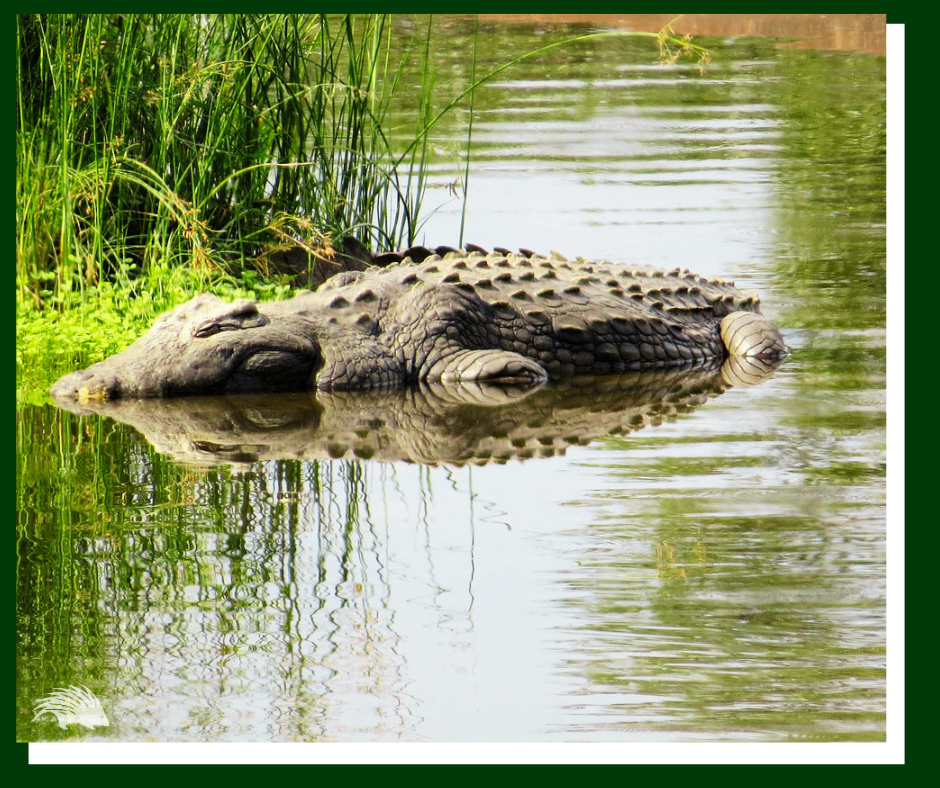
Among reptiles, the park protects significant populations of the Nile crocodile and the Nile monitor, both of which are targeted by the skin trade.
Flora: The Conservation of Plants
It would be easy to think of Kruger’s conservation solely in terms of animals. But the park’s plant life is equally important — and equally under threat.
Kruger contains over 1,900 plant species, and protecting that diversity is an active and ongoing effort. Invasive alien plants — particularly species like invasive bramble, lantana, and various alien tree species — are managed through dedicated clearing programmes. Left unchecked, invasive plants can displace indigenous vegetation, reduce food sources for herbivores, and fundamentally alter habitat structure.
The marula tree (Sclerocarya birrea) is iconic in the Lowveld — both ecologically and culturally — and its distribution and health are monitored as part of vegetation surveys.
The fever tree (Vachellia xanthophloea), the mopane (Colophospermum mopane), and the baobab (Adansonia digitata) in Kruger’s far north are all subjects of long-term vegetation monitoring, particularly as climate change begins to shift rainfall patterns and temperatures across the Lowveld.
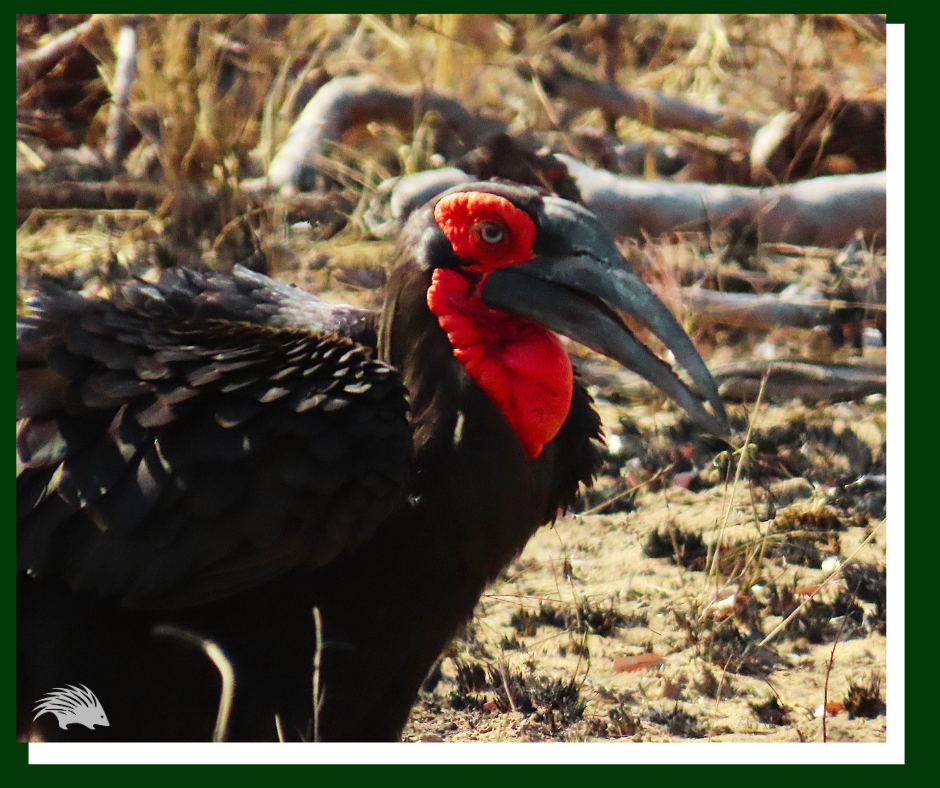
Bird Conservation
Kruger’s 500+ bird species include several of serious conservation concern. The lappet-faced vulture, the martial eagle, and the saddle-billed stork are all classified as vulnerable or endangered at a continental level and are monitored within the park.
Lesser-known but equally important are the ground hornbill conservation programmes — the southern ground hornbill is listed as vulnerable and breeds extremely slowly, raising only one chick every few years. Dedicated nest monitoring and supplementary feeding programmes give chicks a better chance of survival.
Pel’s fishing owl, one of Africa’s most sought-after birding sightings, is present in Kruger’s northern river systems and is considered a key indicator species for riparian habitat health. Its presence — or absence — tells researchers a great deal about the condition of the rivers it depends on.
Disease Management
Bovine tuberculosis, introduced through infected cattle along the park’s southern boundary, has moved through the buffalo population and into carnivores. Foot-and-mouth disease, anthrax, and other viral threats require continuous surveillance. Kruger’s veterinary team works with external researchers to contain outbreaks before they can move through entire populations.
Boundaries and the Wider Landscape
Kruger sits within the broader Greater Kruger ecosystem, where private reserves to the west have removed internal fences to allow free wildlife movement. Managing human-wildlife conflict along community boundaries — elephants raiding crops, predators taking livestock — is an ongoing challenge addressed through mitigation and community benefit-sharing programmes.
To the south, Marloth Park borders Kruger along the Crocodile River. The river acts as a natural barrier, but the areas are ecologically connected — plains game like kudu, nyala, zebra, and giraffe move freely through Marloth. The conservation effort doesn’t stop at the park fence.
Partnerships
SANParks doesn’t work alone. The Endangered Wildlife Trust, WWF South Africa, Panthera, and the Hoedspruit Endangered Species Centre all run active programmes across Greater Kruger — covering everything from raptor monitoring and wild dog conservation to rhino rehabilitation and vulture protection. International researchers, private donors, and NGOs fill the gaps that a government agency at this scale inevitably leaves. The result is a complex but resilient conservation system that has held the line under sustained pressure.
Why It Matters
Kruger is a global conservation asset. What is learned here about managing large, complex ecosystems shapes conservation practice across Africa and beyond. Locally, it supports hundreds of thousands of jobs, sustains border communities, and protects the river systems that run through some of the country’s most important agricultural land. This is not a luxury — it is regional infrastructure.
Quick Facts
- Kruger covers 19,485 km²
- Supports 147 mammal species
- 500+ bird species
- 114 reptile species
- 2,000 plant species
- Its elephant population is estimated at over 31,000
- Rhino poaching peaked at 1,215 animals in 2014 and has since declined, though the threat remains real
- The pangolin — one of the world’s most trafficked animals — still has a viable wild population here
- The Greater Kruger ecosystem covers over 2 million hectares including private reserves
Staying at Needles Lodge in Marloth Park puts you on the edge of this story. The animals moving through the property are part of the same ecosystem.
Further Reading
Wild Guardians: How Conservation Efforts in Kruger Safeguard the Future of Africa’s Wildlife
Thu June 19, 2025
Read This Article
Your Vital Role in Supporting Wildlife Conservation at Kruger National Park
Sat May 11, 2024
Read This Article
Visiting Kruger National Park isn't just a vacation; it's a critical support to conservation efforts. Each entry fee and safari helps fund wildlife management and anti-poaching initiatives essential for preserving the park's biodiversity. By choosing eco-friendly tours and respecting park guidelines, your trip supports sustainable practices that ensure Kruger remains a sanctuary for the iconic Big Five and other wildlife, making your visit vital for its future.
Conservation Within the Bigger Picture - The First in a series exclusive for Needles Lodge
Sat July 27, 2019
Read This Article
Apex Animal in Action: Part 1 The Bigger Picture of Carnivores A series of articles done by Gerrie Camacho - With Thanks! Zoologist (Scientific Specialised Terrestrial Fauna Projects) Predator Specialist - Mpumalanga Tourism & Parks Agency
Share This Post