
Explore San rock art and archaeology in South Africa’s Lowveld. Discover hidden sites near Kruger National Park and Marloth Park while staying at Needles Lodge.
Gold in Kruger: The Hidden History Beneath the Wildlife
Discover the hidden gold history of Kruger National Park, from the ancient kingdom of Thulamela to the 1880s prospectors’ graves near Skukuza and the origins of conservation in the Lowveld.
Long before Kruger National Park existed, the Lowveld was crossed by gold traders, prospectors, and an ancient kingdom of skilled goldsmiths. This is the gold history inside the park itself.
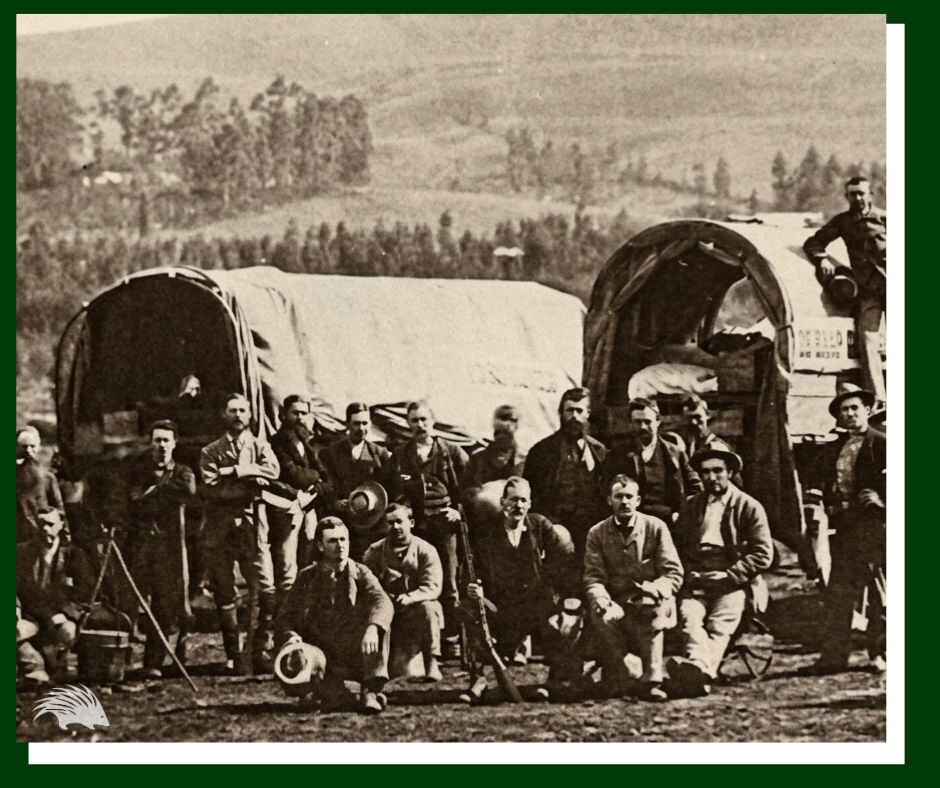
Most people drive the roads of Kruger looking for lions and elephants. A few know that some of those roads pass over a far older story. Gold has moved through this land for centuries: traded by a sophisticated Iron Age kingdom in the far north, then chased by 1880s prospectors whose unnamed graves still sit at Skukuza.
The park that exists today was proclaimed partly because those prospectors and hunters had nearly emptied the Lowveld of its wildlife. In Kruger, the story of gold and conservation are connected.
Guests at Needles Lodge in Marloth Park enter Kruger through the southern gates, well away from the far north where the Thulamela ruins stand. But the Skukuza graves are reachable on a standard southern Kruger day drive, and the full arc of the history of gold is part of understanding what this landscape actually is.
- Thulamela: Far north Kruger, Pafuri area — Iron Age gold-trading kingdom, 1250 to 1700 AD
- Prospectors’ graves: Southern Kruger, S30 (Salitje road) between Skukuza and Lower Sabie — 1880s gold rush era
- Connection to the park’s founding: Gold prospectors and hunters depopulated the Lowveld wildlife, prompting the 1898 proclamation of the Sabie Game Reserve
- Access from Marloth Park: Skukuza area via Crocodile Bridge gate; Thulamela requires a full northern Kruger trip
Thulamela: A Gold-Trading Kingdom Inside the Park
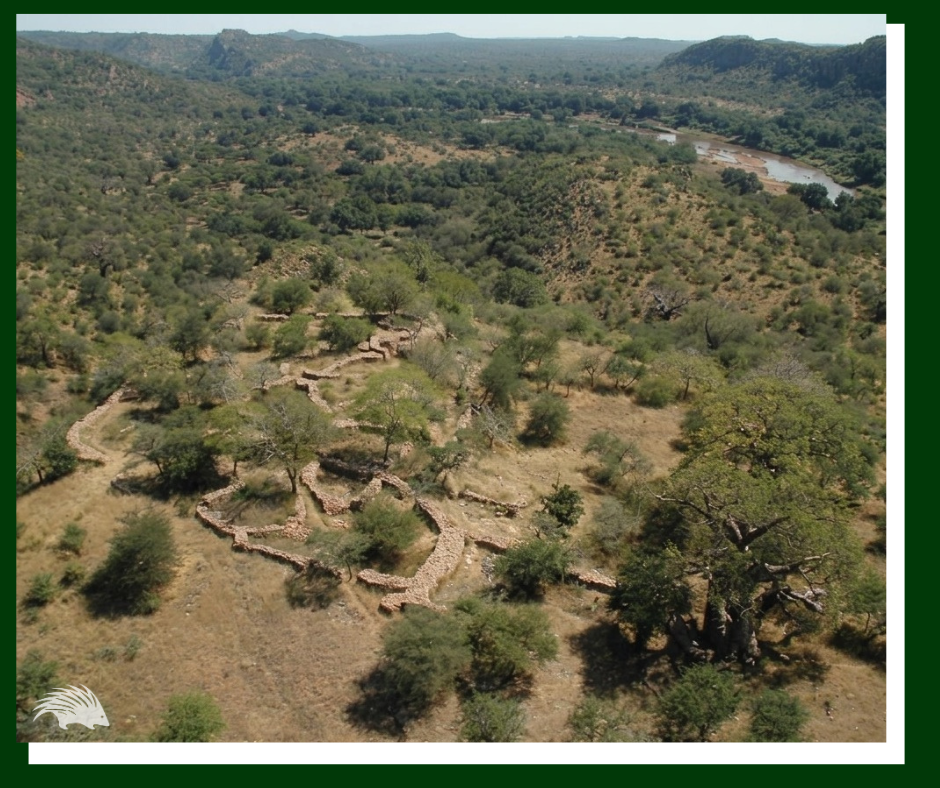
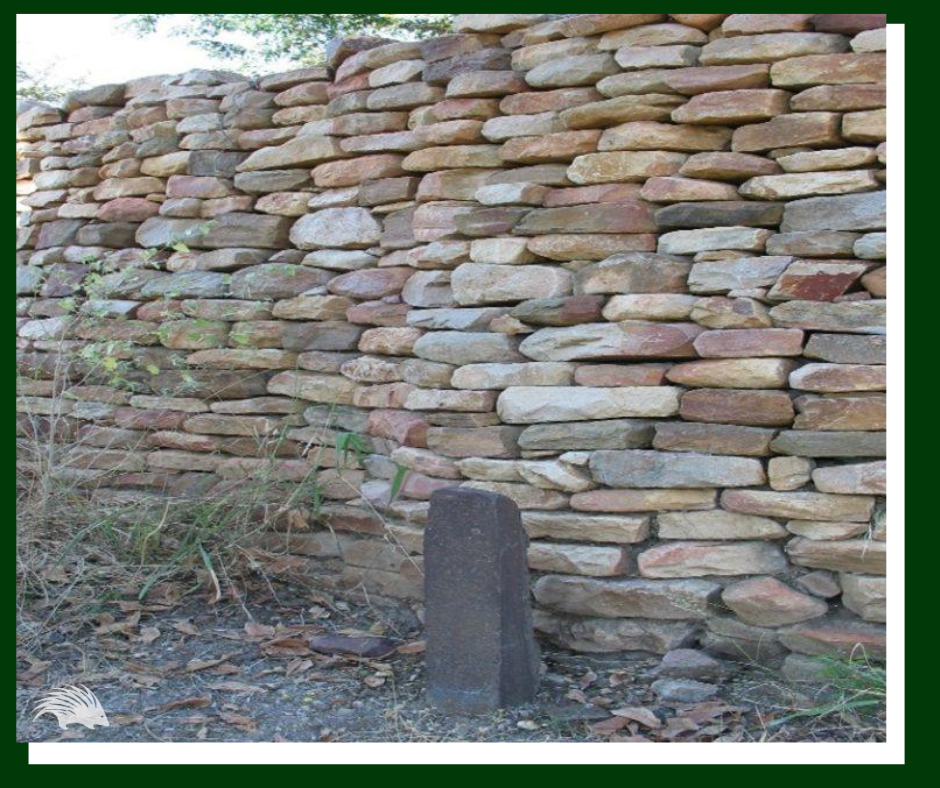
In the far northern corner of Kruger, near the confluence of the Luvuvhu and Limpopo rivers, a stone-walled citadel sits on a hill overlooking the floodplains. It has been there, in one form or another, since around 1250 AD.
Its name is Thulamela, a Venda word meaning “the place of giving birth.”
The people who built and occupied Thulamela were skilled goldsmiths. Gold was their primary currency and trade good, worked locally and sent east along the Indian Ocean trade routes.
In exchange, Arab, Indian, and Chinese traders brought glass beads, porcelain, cloth, copper, and bronze. Archaeologists have found all of these at the site.
The community here, around 1,000 people within the walled citadel and another 2,000 in settlements below the hill, also worked iron from up to 200 local mines, traded ivory, and maintained connections to the wider networks that linked Mapungubwe and Great Zimbabwe.
The site lay forgotten until 1983, when a local park ranger rediscovered it. Excavations in the 1990s uncovered the tombs of a king and queen from the 16th century.
The queen was named Losha by researchers because she was buried with her hands placed under her cheeks in a position of great respect. The king was named Ingwe, meaning leopard, because a leopard was waiting at the excavating team’s vehicle on the day his grave was found.
Thulamela dates from the 13th to 17th centuries, forming part of what archaeologists call the Zimbabwe culture, descended from the Mapungubwe civilisation further up the Limpopo Valley.
Its decline around 1700 is thought to be linked to drought, political disruption, and shifts in the regional trade networks.
The site is open to visitors but only with a guide. Tours are arranged through Punda Maria camp, with bookings recommended at least a week in advance.
It is a full day from the southern gates, so visiting Thulamela requires planning a night in the north of the park or a separate trip.
The 1880s Prospectors: Gold Rush Graves at Skukuza
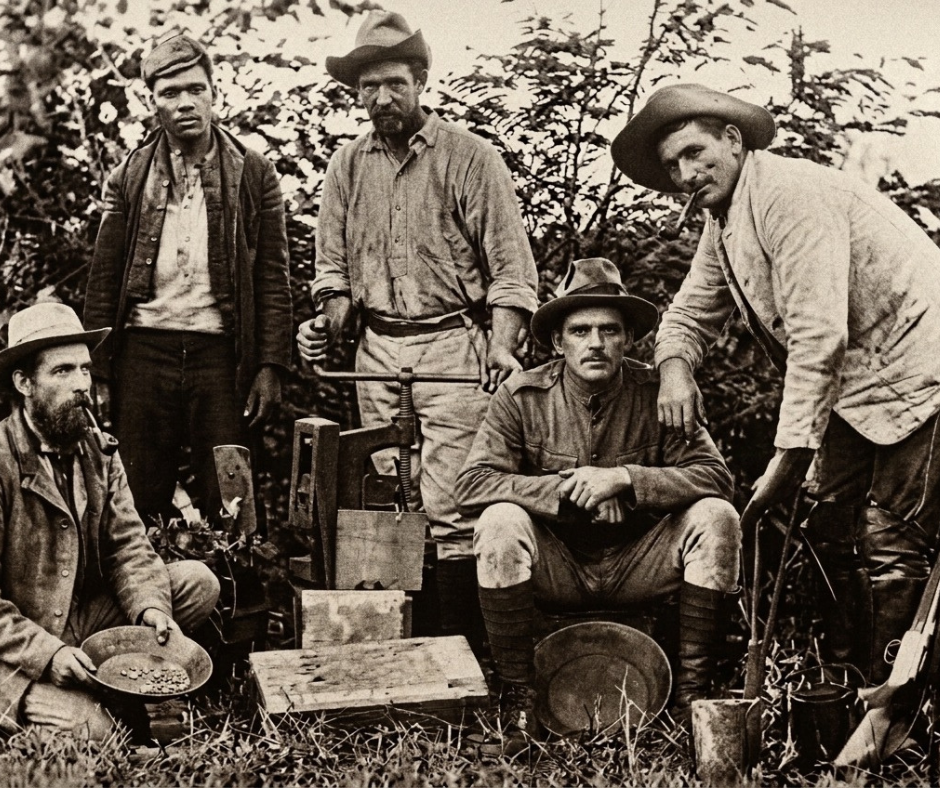
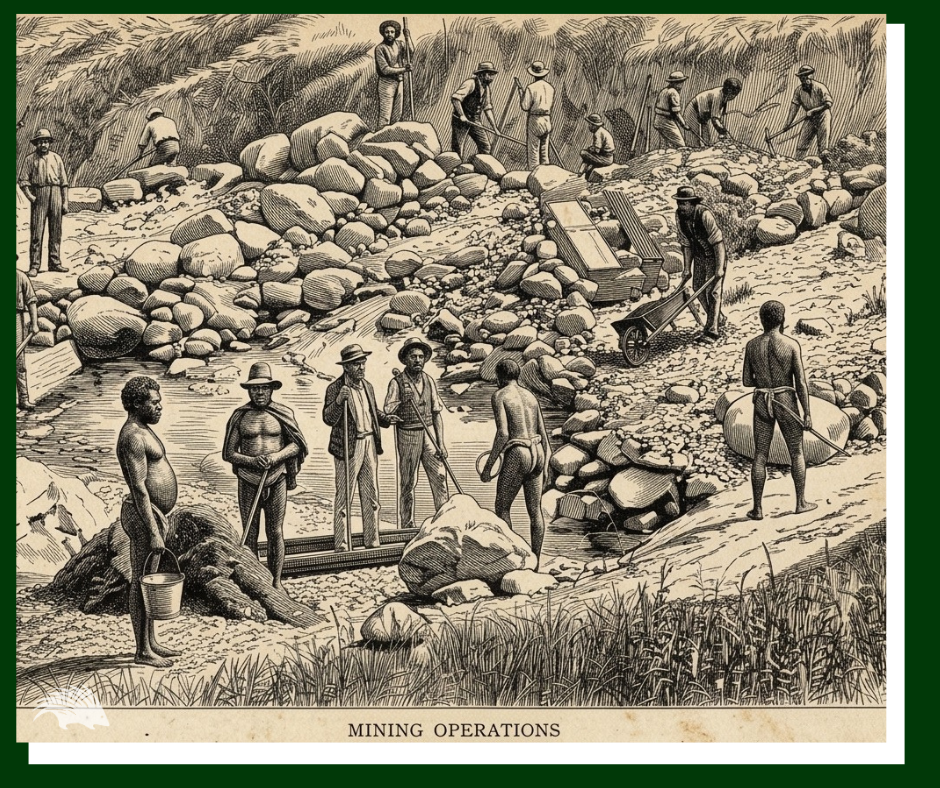
In the 1880s, the same decade that Barberton and Pilgrim’s Rest were booming, prospectors moved through the broader Lowveld looking for new reefs.
On the S30 route, the Salitje road between Skukuza and Lower Sabie, are the graves of unknown prospectors who were part of the late-1880s Lowveld gold rush.
Many of the graves are unnamed. Most face east to west, but some face north to south: those are the graves of people summarily and illegally executed for crimes regarded as serious at the time, such as theft of a horse or a tent.
The prospectors found little of value in what is now the park and most moved on toward the richer reefs of Barberton or eventually the Witwatersrand.
But the damage they and the hunters did to the Lowveld’s wildlife was considerable. President Paul Kruger was told about the destruction, and in 1898 the Sabie Game Reserve was proclaimed.
It passed the Volksraad by a single vote.
The graves at Skukuza are easy to miss on a game drive. But they mark the point where the gold rush era and the conservation story intersect: the men buried there were part of the wave of activity that made the park necessary.
The Dutch East India Company Before All of Them
Before the 1880s prospectors, and centuries after Thulamela’s goldsmiths, the Dutch East India Company (VOC) dispatched an expedition under Frans de Cuiper from Delagoa Bay (present-day Maputo) to find gold in this region.
The expedition was attacked and driven back by local communities near what is now Gomondwane, inside the park.
The VOC found no gold and did not return.
It is a minor episode, but it places the Lowveld on the map of European colonial ambition several generations before the Barberton rush.
What This Adds to a Kruger Visit
Driving the S30 between Skukuza and Lower Sabie, you pass unmarked graves of men who were looking for something the ground here did not give them.
In the far north, a stone city on a hill spent four centuries as a node in a trade network that connected southern Africa to the Indian Ocean.
The park exists in part because the pursuit of gold and ivory in the 1880s pushed the wildlife close to collapse in this region.
The proclamation of 1898 was a corrective, passed with one vote to spare.
For guests at Needles Lodge, the prospectors’ graves near Skukuza are reachable on a standard day drive via Crocodile Bridge gate.
The Thulamela site in the far north requires a separate planning effort but is one of the most significant archaeological sites in South Africa for anyone with an interest in pre-colonial history.
Frequently Asked Questions
Was there gold mining inside Kruger National Park?
Not in a commercial sense, but gold prospectors moved through the area in the 1880s during the broader Lowveld gold rush that produced Barberton and Pilgrim’s Rest.
Their unmarked graves are still visible near Skukuza on the S30 road. There was also an ancient gold-trading kingdom called Thulamela in the far north of the park, active from around 1250 to 1700 AD.
What is Thulamela in Kruger National Park?
Thulamela is a stone-walled Iron Age settlement in the far north of Kruger, near Pafuri, occupied from around 1250 to 1700 AD.
The people who lived there were skilled goldsmiths who traded gold and ivory along the Indian Ocean trade routes for glass beads, Chinese porcelain, and cloth.
Archaeologists excavated royal tombs there in the 1990s. The site is open to guided visits, booked through Punda Maria camp.
Where are the prospectors’ graves in Kruger?
On the S30 (Salitje road) between Skukuza and Lower Sabie in the southern section of the park.
Many of the graves are unnamed, dating from the 1880s gold rush era. They are a marked historical site and reachable on a standard day drive from the southern Kruger gates near Marloth Park.
Why was Kruger National Park created?
The Sabie Game Reserve, which became Kruger National Park in 1926, was proclaimed in 1898 in response to the rapid destruction of wildlife in the Lowveld.
Hunters, prospectors, and ivory traders in the 1870s and 1880s had severely reduced game populations across the region.
The proclamation passed the Volksraad by a single vote.
Can you visit Thulamela from Marloth Park in a day?
Not comfortably. Thulamela is in the far northern section of Kruger, several hours from the southern gates near Marloth Park.
Visiting it properly requires an overnight stay in the north of the park (Punda Maria or Pafuri camp) or a dedicated multi-day trip.
The prospectors’ graves near Skukuza are reachable on a standard day drive from Marloth Park via Crocodile Bridge gate.
Further Reading
Footprints of the Ancients: San Rock Art & Lowveld Archaeology
Mon November 24, 2025
Read This Article
Cultural Tours: Discover the Local Communities
Thu July 11, 2024
Read This Article
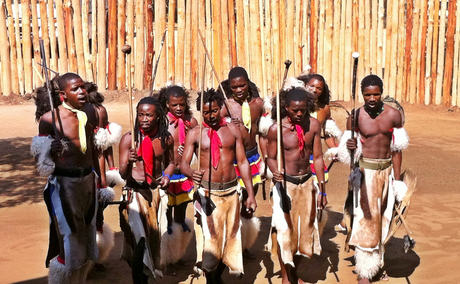
Cultural tours at Needles Lodge offer travelers a deep immersion into the local traditions and lifestyles of nearby communities, including full-day excursions to Eswatini, Maputo, and the Lowveld Escarpment.

A Guide for Solo Female Travelers to Explore South Africa's Natural Wonders
Thu October 19, 2023
Read This Article
For solo female travelers passionate about adventure, wildlife photography, and diverse cultures, South Africa is the ultimate dream destination. Explore breathtaking landscapes, abundant wildlife, and warm hospitality in this captivating country. Discover what makes South Africa a must-visit for intrepid women like you. Dive into wildlife encounters, cultural immersions, and unforgettable experiences.
Share This Post