
Explore how Kruger National Park protects endangered species and how guests at Needles Lodge in Marloth Park can participate in real conservation efforts.
The Daily Drama: Why Waterholes Are the Best Place to Be at Dawn and Dusk
Posted by Denis on Sun December 21, 2025 in Gamedrive, Safari, Kruger National Park, Fauna and Flora of Kruger National Park, Activities, Needles Lodge, and African Wildlife.
Explore why African waterholes come alive at dawn and dusk. Learn about animal behaviour, best viewing times, and how to enjoy waterhole safaris around Marloth Park and Needles Lodge.
The moment the first light spills over the Lowveld, or when the setting sun paints the bush in those famous golden hues, the local waterhole becomes the ultimate stage. This is where nature’s most compelling show unfolds — a life-and-death ritual repeated faithfully every single day. From the nervous glance of an impala to the slow, heavy approach of an elephant, every creature that needs a drink will eventually show up.
These daily trips are no accident. Most animals schedule their water breaks for dawn or dusk — what experts call the “crepuscular” hours — when the temperature is mild, visibility is adequate for spotting danger, and the risk feels manageable. This routine allows prey animals to drink before the scorching midday heat, while giving stealthy predators the cover they need under fading light.
For anyone staying at Needles Lodge or exploring Kruger National Park and the surrounding wilderness, these dawn-and-dusk visits offer some of the richest, most unforgettable wildlife encounters you’ll find.
Who Comes When: Timing and Thirst
If you watch African wildlife at waterholes long enough, you’ll notice a distinct pattern driven by survival, risk avoidance, and ecosystem pressure.
Small and Medium Herbivores:
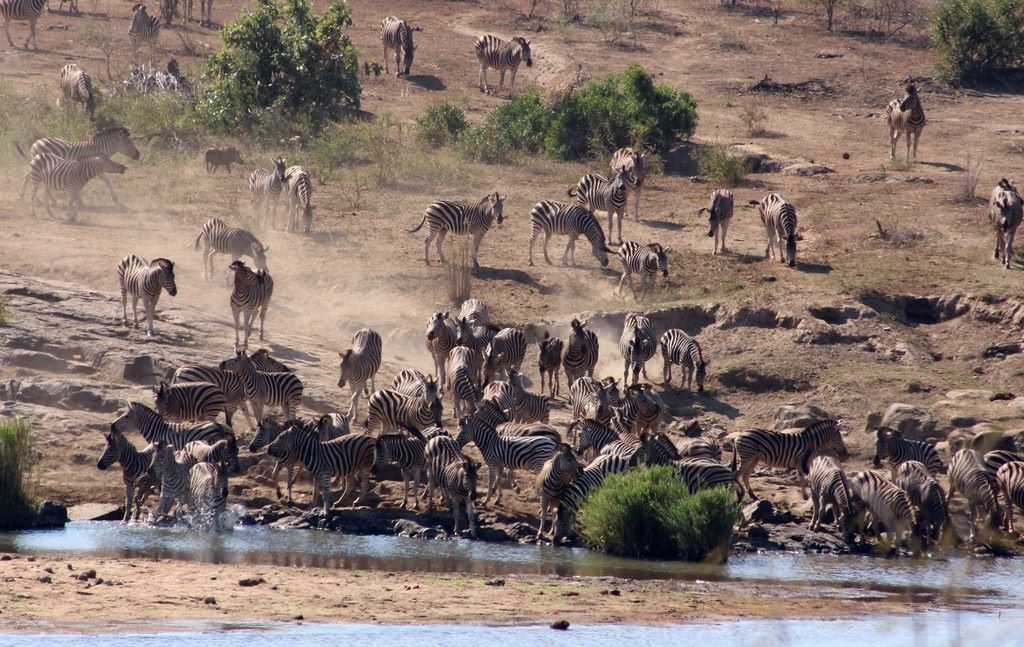
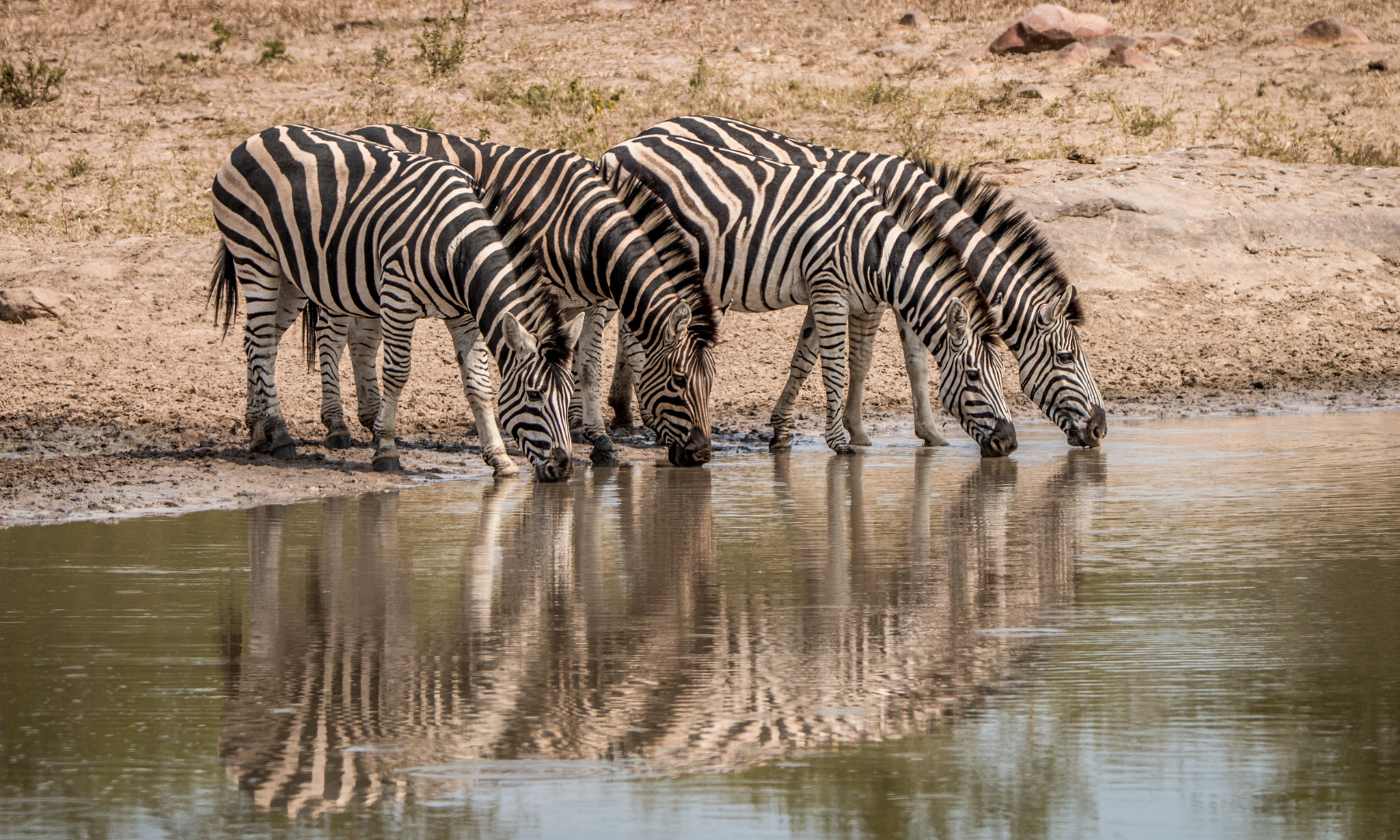
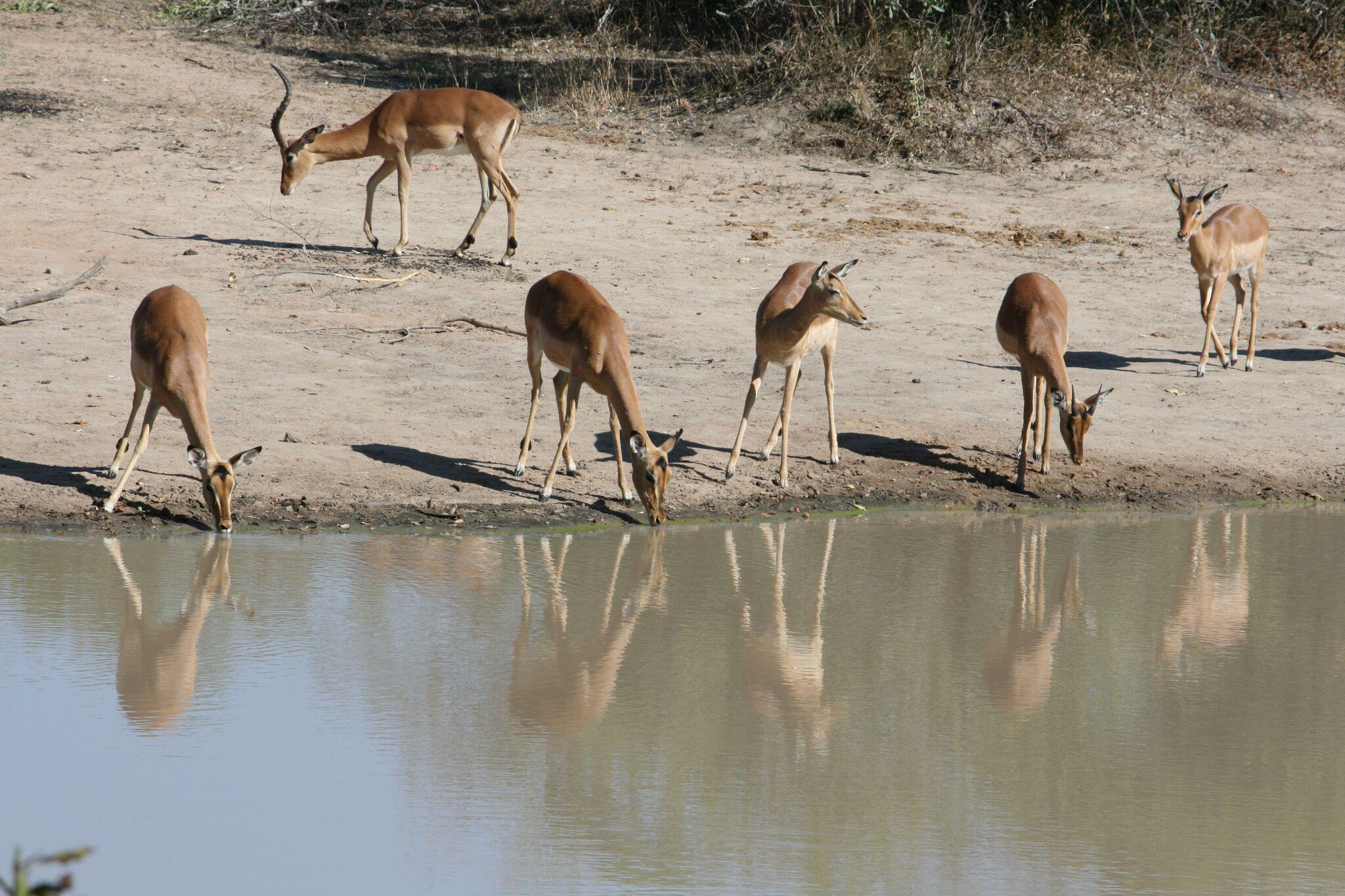
Species like impala, zebra, wildebeest, and warthog often arrive early in the morning or just before sunset. Cooler air and lower predator visibility make these hours ideal for lowering their heads to drink.
Mega-herbivores:
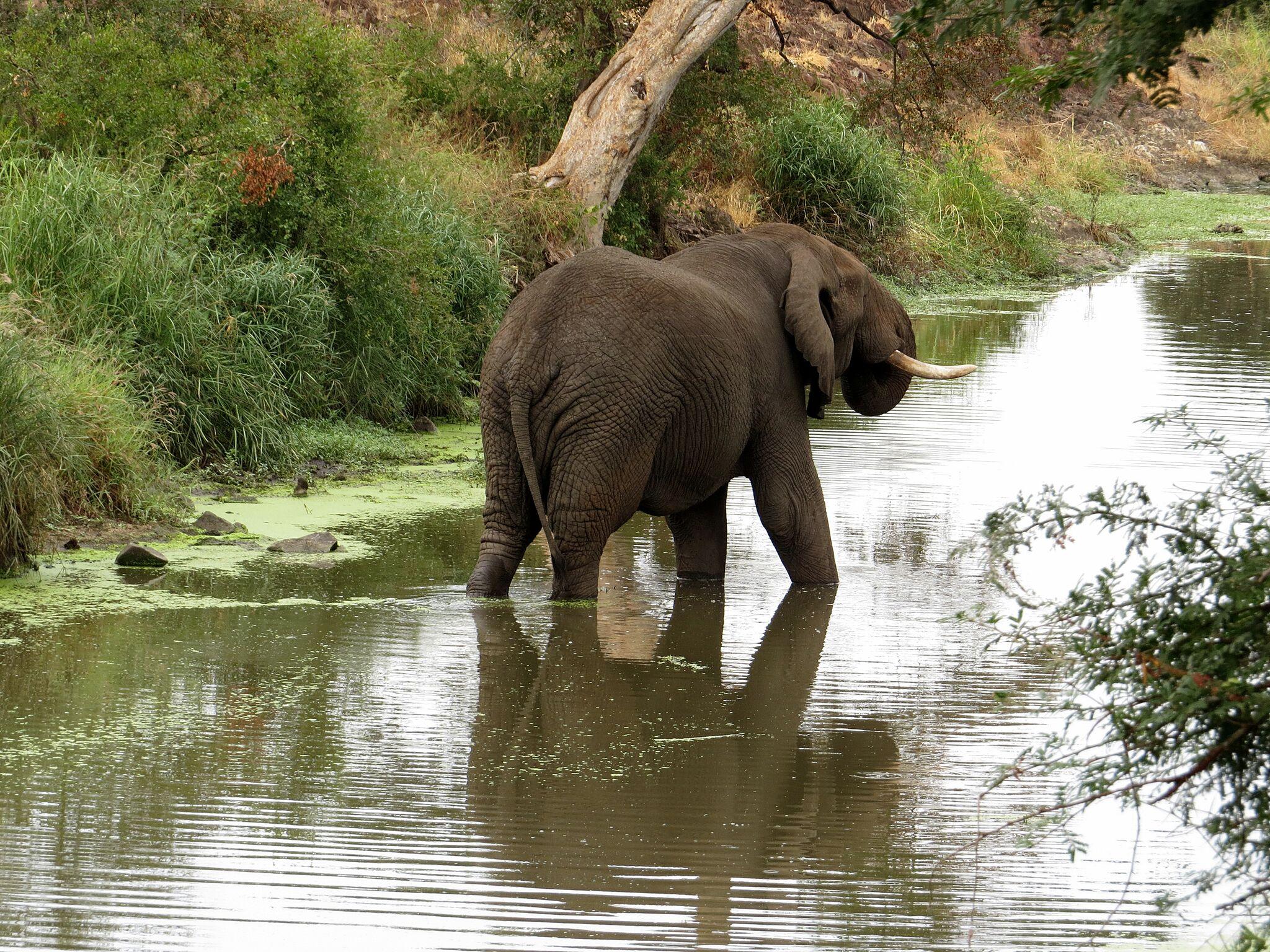
Giants like elephants are more flexible and can drink at almost any time, but they frequently join the dawn or dusk rush — especially during the dry season when water is scarce.
Predators and Night Owls:
Hunters and nocturnal species typically wait until after dark. By then, grazers may return for a final vulnerable drink, creating the charged overlap that makes waterholes so dangerous.
This natural timing system reduces chaos and conflict — grazers drink under gentler light and disperse, while predators often wait for nightfall, giving prey a fighting chance.
The Waterhole: Nature’s Living Theatre
A waterhole transforms completely between morning and evening, offering two very different shows.
Morning: Cautious Calm and First Sips
Early Birds:
As dawn breaks, nervous antelope move in quietly. Every ear flicks, tails swish, and eyes scan the tree line for danger.
The Thirst Hierarchy:
Smaller, more skittish animals usually drink first. Larger, tougher species wait patiently at a distance before committing.
Reflections:
Early-morning pans are often glassy and calm, offering serene observation and stunning mirror-like photography.
Evening: The Great Convergence and Spectacle of Life
The Rush Hour:
As the heat fades, twilight gatherings begin. Herds of zebra, buffalo, and elephant may converge at once — a swirl of dust, noise, and tension.
The Crossroads of Survival:
Predators prowl the fringes. For grazers, every sip becomes a gamble. The waterhole is now the most dangerous place in the bush.
High Drama:
This is when it all happens — sudden stampedes, trumpeting elephant bulls, or a flash of movement just beyond the lens.
Why Waterholes Truly Matter
A waterhole is far more than a filling station. It shapes movement patterns, survival outcomes, and ecosystem balance — especially during dry seasons.
Biodiversity Hubs:
Because all species must come to the same place, waterholes create rare inter-species interactions, competition, and conflict.
Ecological Balance:
Animals distribute nutrients through droppings, while predators naturally regulate herbivore numbers, preventing overgrazing.
Hidden Dangers:
Overuse — especially of artificial waterholes — can lead to erosion, vegetation loss, and the spread of disease.
Best Times to Visit: Your Safari Schedule at Needles Lodge
If you’re staying at Needles Lodge, our scheduled activities follow nature’s rhythms — giving you the best chance to experience waterhole magic.
Pre‑Sunrise (Sunrise Drive):
Early departures (around 03h15 in summer / 04h15 in winter) place you in the bush before dawn. This is ideal for spotting night‑active animals returning to rest and early risers like impala, zebra, and waterbuck approaching water cautiously.
Late Afternoon to Sunset (Afternoon / Sunset Drive):
As temperatures drop, animals gather at water sources. These drives arrive just in time for golden‑hour drama — mixed herds, rich light, and possible predator‑prey encounters. Return to the lodge for sundowners as evening settles in.
Full‑Day Drives:
For longer stays, full‑day drives offer the broadest safari experience. Depart early, explore the southern Kruger plains, pause for brunch inside the park, and return late afternoon for rest or a poolside wind‑down.
During the dry season, water scarcity draws even more species together — increasing sightings, competition, and drama. Combining waterhole vigils with scheduled drives ensures you experience both dawn calm and dusk intensity.
Respect Is Key: Waterhole Etiquette
The magic lasts only if we respect it. Research shows animals alter behaviour when tourists linger too close.
At Needles Lodge, we ask all guests to:
- Remain quiet and keep a respectful distance
- Keep vehicle lights off or low
- Never feed, chase, or disturb animals
- Stay inside vehicles or designated hides
Your respect keeps waterholes wild — and the drama real.
Quick Facts: Waterholes & Wildlife
- Waterholes attract many species, especially during dry periods
- Different animals visit at different times of day
- They influence migration routes and ecosystem balance
- Poorly managed waterholes can damage vegetation
- They are hotspots for predator‑prey interaction
Water is simple, life‑giving, and essential. In the African bush, it becomes something more — a magnet, a crossroads, and a stage.
If you’re visiting Marloth Park and staying at Needles Lodge, dedicate time to this quiet vigil. Be patient. Be present. The bush reveals its best secrets to those willing to wait.
Let the silent drinkers, cautious grazers, and fleeting shadows tell their story. You may find yourself mesmerised by the daily drama of waterholes.
Further Reading
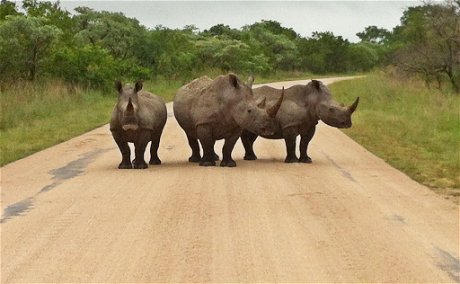
Wild Guardians: How Conservation Efforts in Kruger Safeguard the Future of Africa’s Wildlife
Thu June 19, 2025
Read This Article
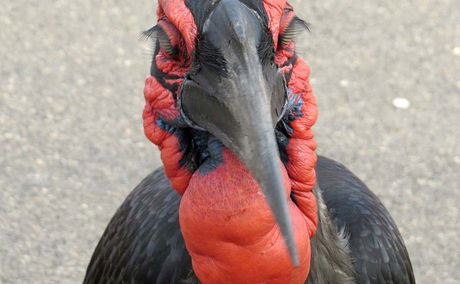
The Thunderous Voice of the Bush: Meet the Southern Ground Hornbill
Thu June 19, 2025
Read This Article
Discover the biology, behaviour, and conservation of the Southern Ground Hornbill in Kruger National Park. Learn how guests at Needles Lodge can help protect this iconic bird.
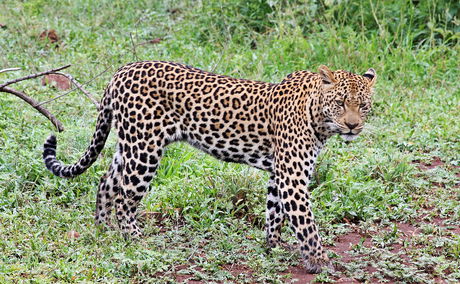
Seasonal Shifts: How the Bushveld Transforms Throughout the Year
Mon May 19, 2025
Read This Article
Discover how each season transforms Marloth Park and Kruger’s bushveld. From dry winters to lush green summers, explore wildlife patterns and safari experiences at Needles Lodge.
Share This Post