
Planning a Kruger safari? Discover ideal 2‑, 3‑ and 5‑night itineraries based from Marloth Park / Needles Lodge. Maximize wildlife, rivers, and the bush’s rhythms.
Top 10 Cape Buffalo Facts
Posted by Denis on Mon December 8, 2025 in Big Five, Gamedrive, Safari, Kruger National Park, Nature Conservation, Wildlife Photography, Fauna and Flora of Kruger National Park, and African Wildlife.
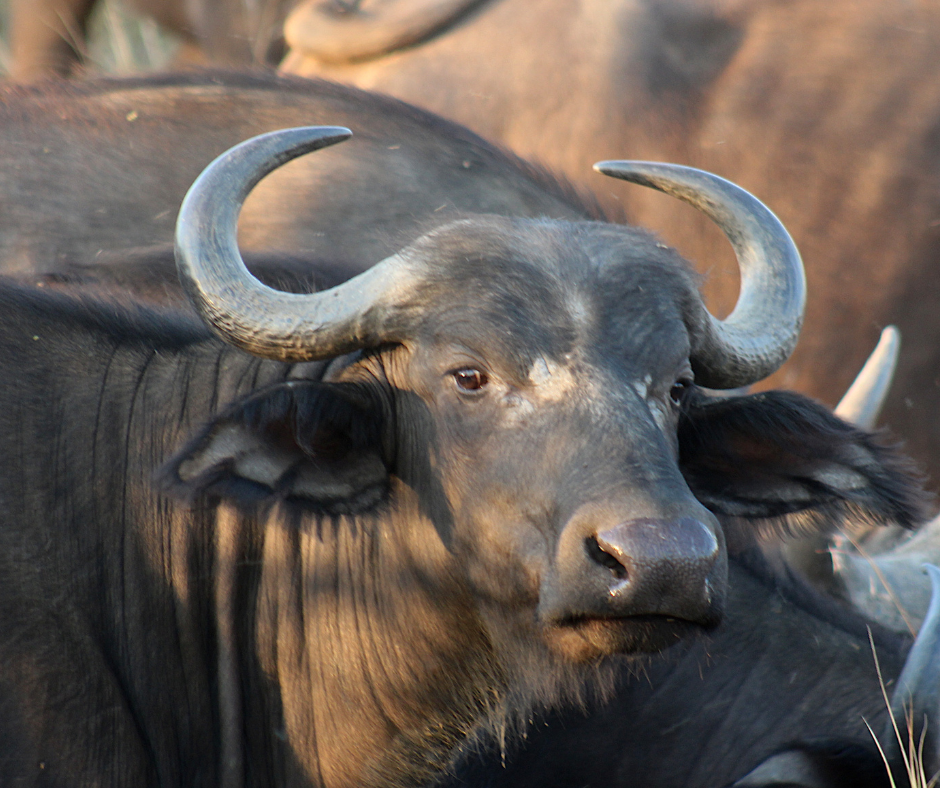
Discover the top 10 fascinating facts about the Cape buffalo—Africa’s powerful, social, and surprisingly strategic giant of the savanna. Read more now.
In the tapestry of Africa’s savannas and floodplains, the Cape Buffalo stands out as a true pillar of the ecosystem. Majestic yet formidable, these large bovines roam in cohesive herds, constantly grazing the grasses, creating dust at waterholes, and displaying a defensive ferocity that earns them deep respect.
Below are ten key facts that highlight the buffalo’s power, unique characteristics, and significant role in shaping the environment.
1. The Power Stats: Size and Distinctive Horns
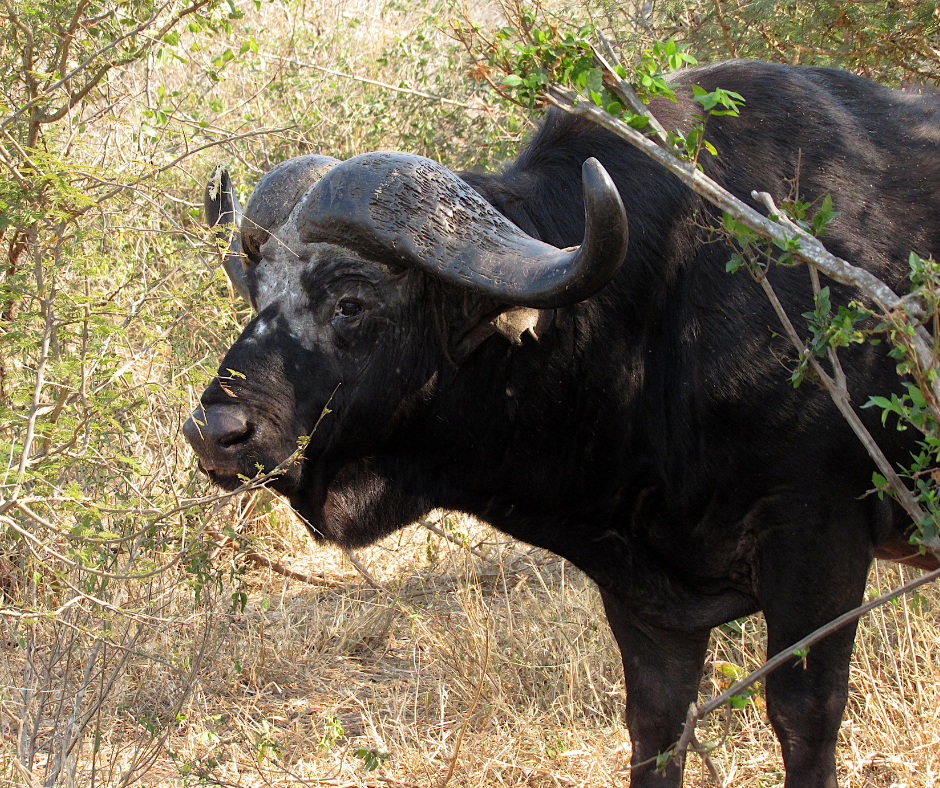
The Cape buffalo is one of the largest bovine species south of the Sahara. Mature bulls can weigh 900 kg or more, with females being somewhat smaller.
They are built for strength and endurance: a thick, heavy body is supported by short, stout legs, providing stability across varied terrains, from grasslands to muddy floodplains.
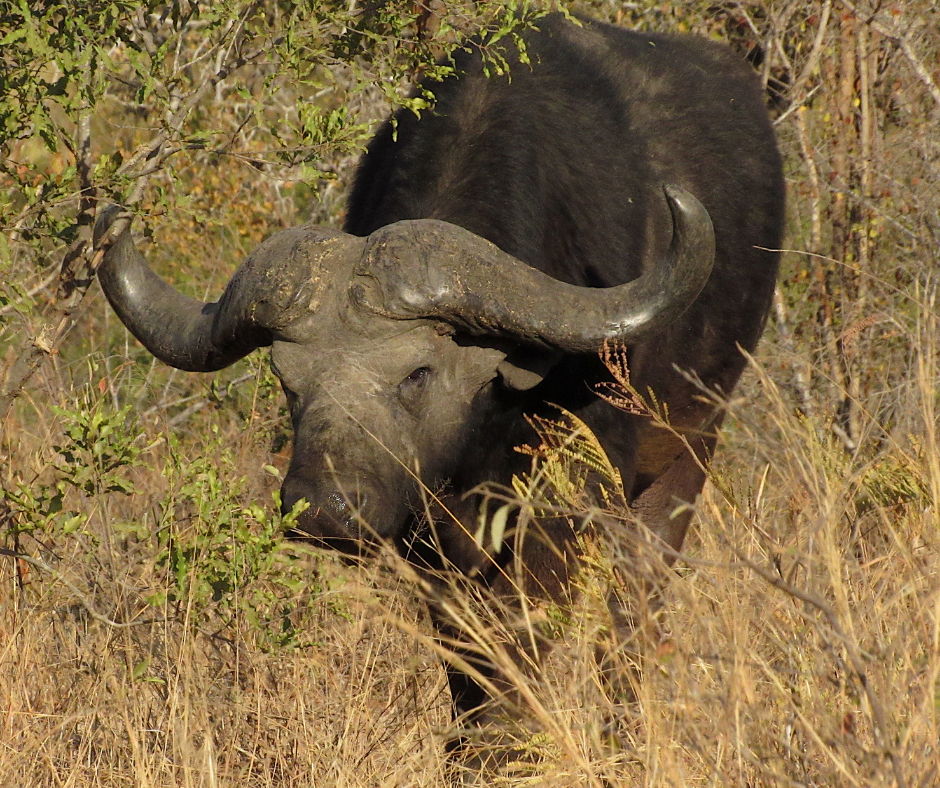
What immediately catches the eye is their distinctive horns. Both male and female buffalo have them, but older bulls develop a unique feature: a thick, fused shield at the base of the horns called the "boss." This formidable helmet of bone offers significant protection during territorial clashes.

2. Herd Life: Strength in Numbers
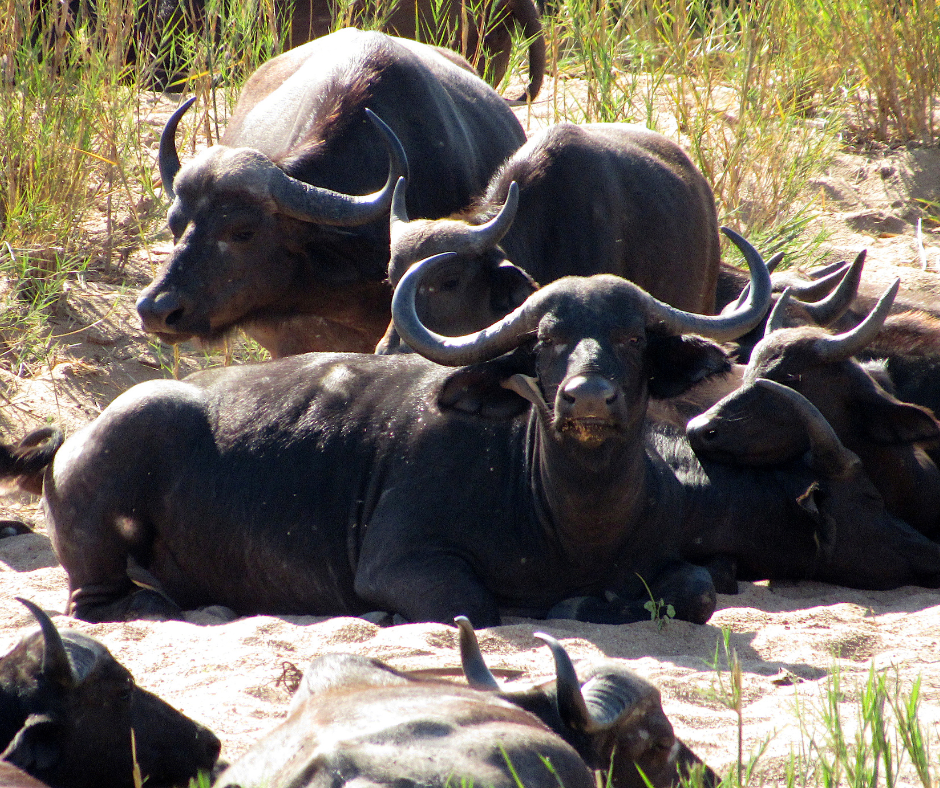
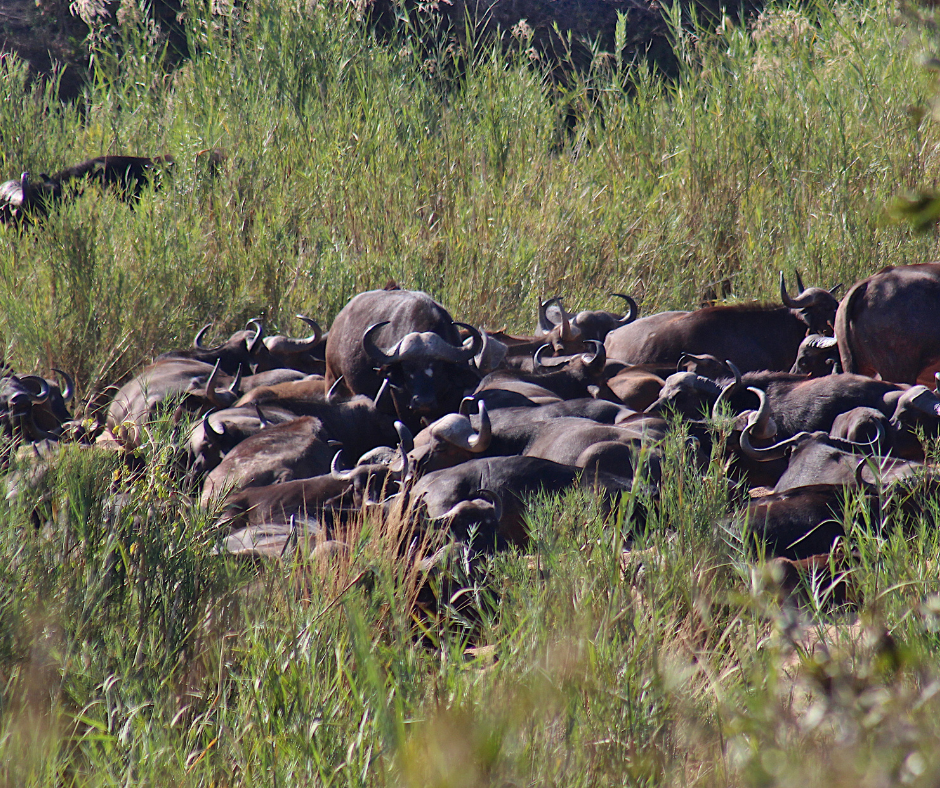
Cape buffalo are highly social animals, often living in large, structured groups. Herds can range from dozens to hundreds of individuals, occasionally swelling into the thousands where water and grazing are plentiful.
The social structure is complex: a core of related females and their young forms the center, surrounded by sub-groups of younger males and older bulls. Some older males become solitary, earning the nickname "dagga boys" (referring to their habit of wallowing in mud as "Dagha" or "dagga" is the Zulu word for mud).
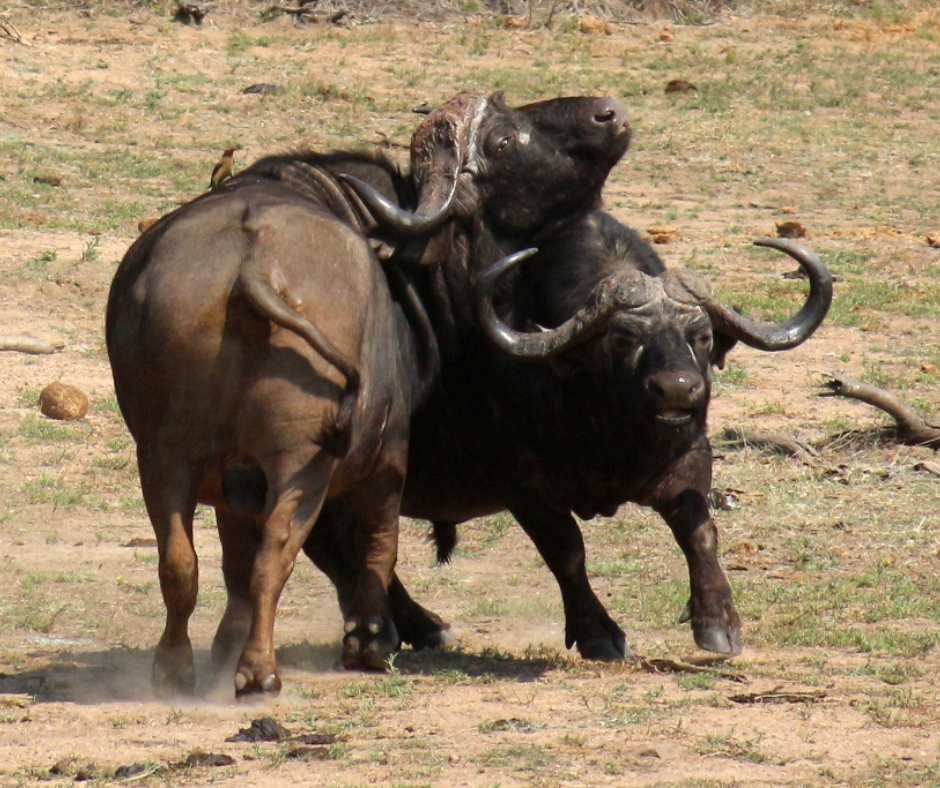
This group dynamic is their primary defense. When threatened by predators like lions, the herd acts as a cohesive unit, surrounding and shielding calves and wounded individuals with coordinated aggression.
3. Water Dependency: A Constant Need
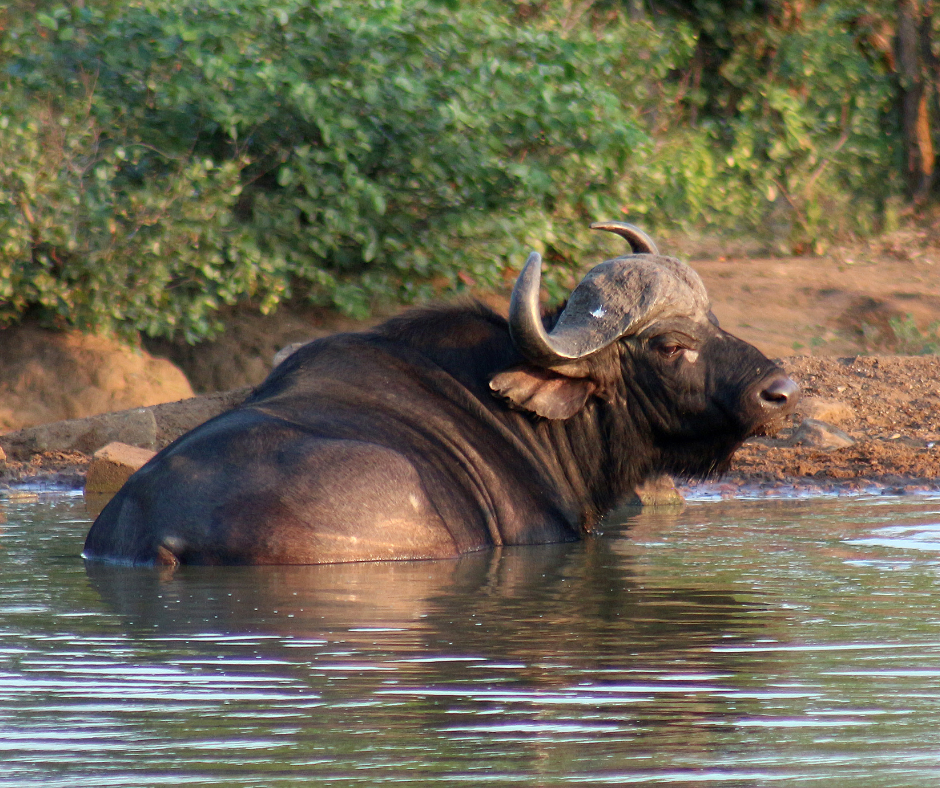
Buffalo are tied to water sources. They need to drink regularly, and you will frequently find them near rivers, seasonal pans, swamps, or waterholes.
This dependency makes the Crocodile River and Kruger Park waterholes popular spots for buffalo sightings. Combining your safari drives with visits to these water spots at dawn or dusk often yields excellent encounters.
4. Landscape Engineers: Shaping the Grasslands
As large-bodied grazers, Cape buffalo play a vital ecological role. Their feeding habits—stripping tall, coarse grasses—and their constant movement impact the structure of the vegetation.
By grazing and trampling regular paths, they help to maintain open grasslands and prevent thick overgrowth. This process supports other grazing animals, browsers, and predators, directly influencing the balance of the savanna ecosystem. Their presence shapes the bushveld nearly as much as rainfall does.
5. Tough and Unpredictable: A Dangerous Reputation
The Cape buffalo is widely known as one of Africa’s "Big Five" for its unpredictable nature and strength. They are capable of charging at high speeds, up to 50-60 km/h.
While they may appear calm while grazing, any perceived threat, injury, or feeling of being cornered can trigger a charge that is fast, powerful, and often given with little warning. For this reason, lone or wounded bulls are considered especially dangerous. Their reputation demands that the buffalo be approached with profound respect on any safari.
6. Collective Strength: Courage Under Threat
The buffalo’s strength lies in its unity. If a member of the herd is attacked, the others will often rush to its defense.
Lions frequently find that bringing down a buffalo is a high-risk venture. The collective use of horns, mobbing behavior, and solid herd cohesion often deters or even injures large predators. This collective defense is a powerful demonstration of nature's balance.
7. Intelligence and Memory
Beyond brute strength, buffalo possess a surprising level of intelligence, social awareness, and even memory. Various sources suggest that Cape buffalo recognise familiar herd-mates and may retain the memory of past threats or encounters.
This cognitive ability, combined with their social structure, enhances their survival in a challenging landscape of constant environmental changes and predators.
8. Adaptability Across Habitats
While they prefer grasslands with available water, Cape buffalo are highly adaptable. They thrive in various habitats, including savannas, mopane woodlands, floodplains, and even dense thickets or semi-forest regions, provided they have reliable access to grazing and water.
This flexibility has allowed them to maintain a widespread presence across many regions of sub-Saharan Africa.
9. Conservation Status and Current Challenges
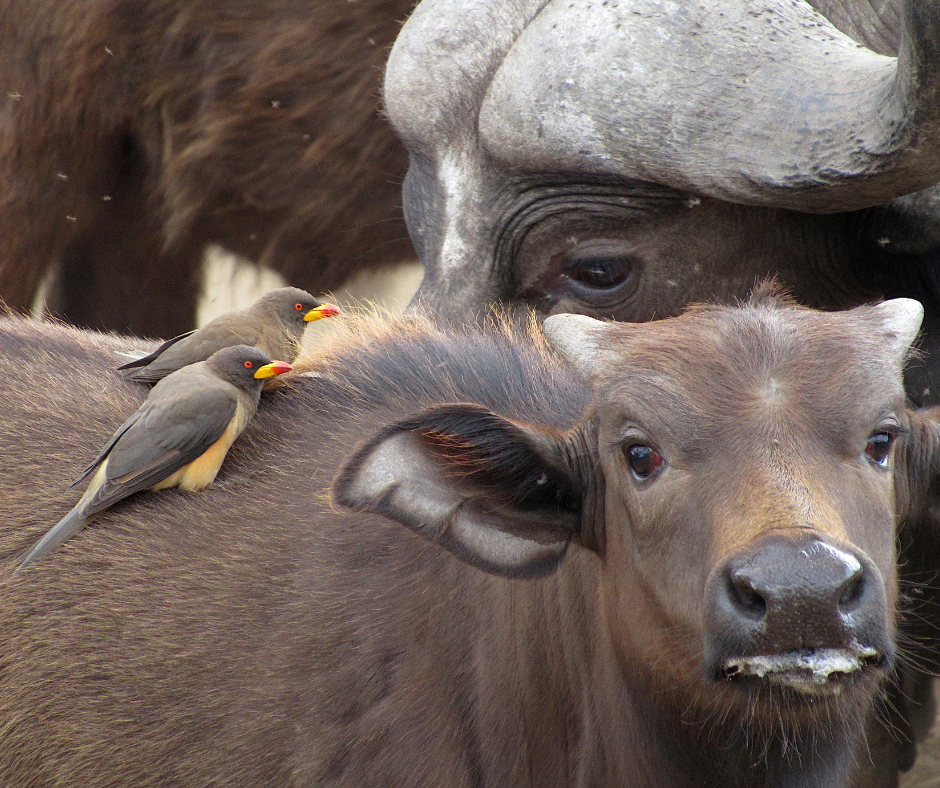
Despite their numbers, buffalo are not immune to threats. Historically, populations were devastated by the rinderpest epidemic in the late 19th century.
Today, they face ongoing challenges from habitat loss, human-wildlife conflict, and diseases, particularly near farmlands. Outside protected areas, they are often seen as pests for raiding crops. Conservation efforts, responsible tourism, and protecting their habitat remain crucial for their long-term survival.
10. The Ultimate Personal Hygiene: Dung as a Scrub Brush
Cape buffalo don't just wallow in mud to cool off; they use it as a mobile pest control unit. After a good, thick coat of mud, these hefty herbivores need to scratch vigorously against trees, rocks, or even termite mounds to remove the drying crust. This process exfoliates and removes ticks, biting flies, and dead skin.
But here is the odd and memorable part: they sometimes use their own dung piles as scratching posts, especially around the thick horns and neck.
Why? Because the dried, rough edges of the manure provide a perfect, abrasive texture—an ideal natural scrub brush—to dislodge stubborn parasites and reach itchy spots. So, when you see a buffalo giving itself a full-body rub on a manure mound, just remember that in the bush, even a steaming pile of poo is part of a perfectly reasonable personal hygiene routine.
While a safari is often associated with the roar of a lion or the trumpeting of an elephant, the greatest presence is often felt in the weight, the numbers, and the silent, massive movement of the Cape buffalo.
It is not a showy animal, but it is deeply real. It doesn't roar, but the thud of its hooves on the dry ground is a form of thunder.
Further Reading

How Many Days Do You Really Need on Safari in Kruger National Park?
Thu October 23, 2025
Read This Article
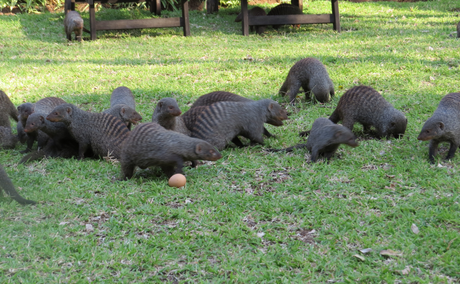
10 Strange and Fascinating Facts About the Banded Mongoose
Tue October 22, 2024
Read This Article
Discover the quirky habits and social life of the banded mongoose. From synchronized births to snake-fighting skills, learn why these small mammals are Kruger's hidden gems.

Aardwolf: The Enigmatic Insectivore of Southern and Eastern Africa
Sat September 9, 2023
Read This Article
Discover the aardwolf, a unique hyena cousin residing in southern and eastern Africa. This enigmatic creature's insectivorous diet, solitary lifestyle, and intriguing behaviors make it a fascinating and misunderstood member of the animal kingdom. Explore its remarkable adaptations and essential role in maintaining ecological balance, shedding light on the significance of conserving this captivating species.
Share This Post