
Discover the quirky charm and ecological role of warthogs in Kruger National Park and Marloth Park. Learn about their habits, social lives, and where to spot them near Needles Lodge.
Vultures of Kruger: The Unsung Heroes of the African Bush
Posted by Denis on Tue March 24, 2026 in Safari, Kruger National Park, Birdwatching, Fauna and Flora of Kruger National Park, and African Wildlife.
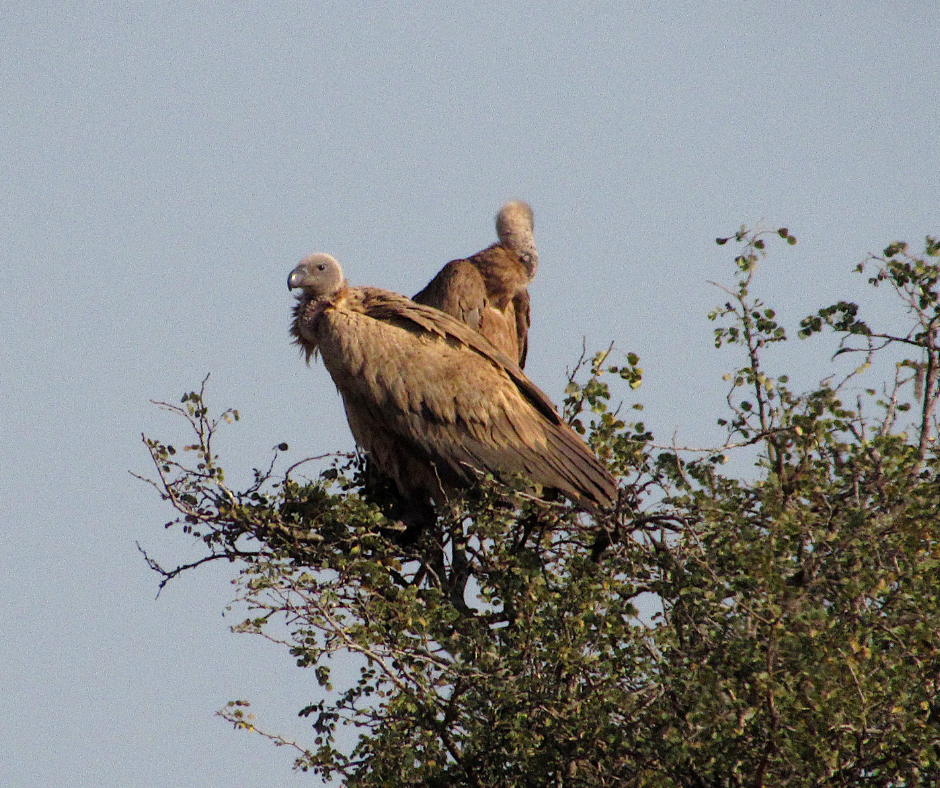
Discover the vultures of Kruger National Park and why these misunderstood scavengers are vital to the African ecosystem and conservation efforts.
They’re not pretty. They’re not popular. But without vultures, the African bush would be a very different — and far less healthy — place. Here’s why these remarkable birds deserve far more credit than they get.
There’s a moment on almost every game drive when someone spots a group of vultures circling overhead and says something dismissive. Scavengers. Ugly. Just waiting for something to die.
Vultures are not the easiest birds to love at first glance. But spend any real time in the bush and your view changes quickly. These birds are extraordinary — behaviourally, ecologically, and in terms of the sheer survival challenge they face. And in Kruger National Park, where several species are present and some are under serious threat, understanding vultures adds a whole new layer to what you’re watching when you’re out in the field.
What Makes a Vulture a Vulture
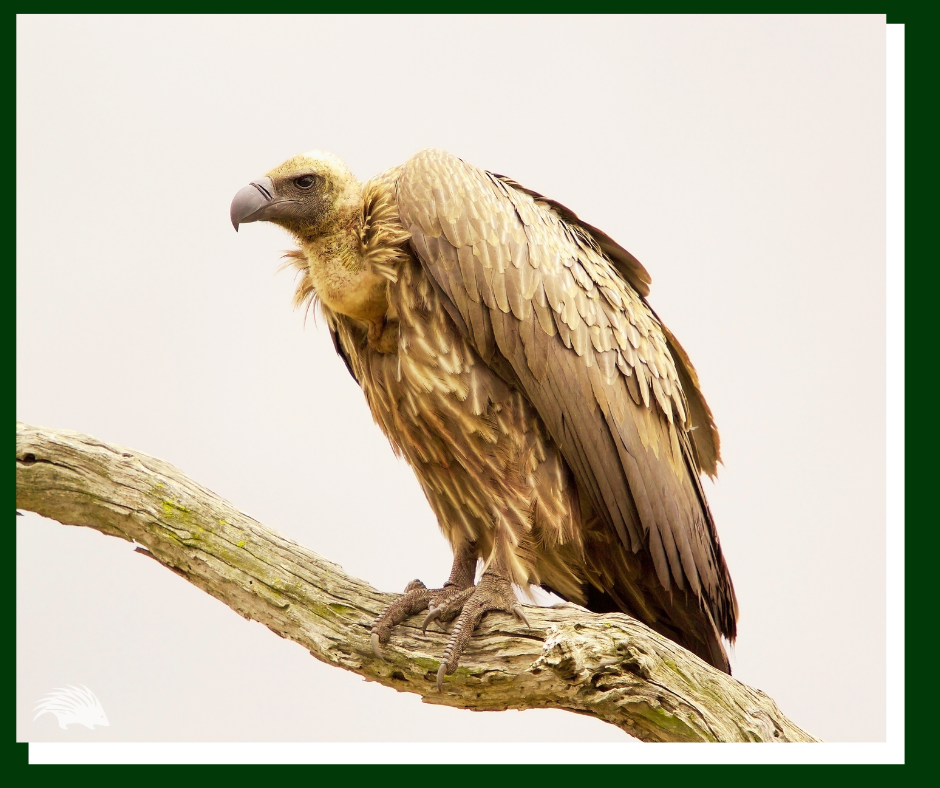
Vultures are highly specialised scavengers, shaped over millions of years to do a job that almost nothing else can do — locate, consume, and safely process carcasses that would otherwise spread disease across the landscape.
Their bald or sparsely feathered heads allow vultures to reach deep inside carcasses without matting feathers, and they help regulate body temperature. Their stomach acid is among the most corrosive of any vertebrate on earth — strong enough to destroy anthrax spores, botulinum toxin, and cholera bacteria that would kill most other animals outright.
Their eyesight is exceptional — among the sharpest of any bird — and they use thermals with remarkable efficiency, soaring for hours at altitude with minimal energy expenditure, scanning enormous areas of ground below.
The Vultures of Kruger: Who’s Who
Kruger is home to several vulture species, and learning to tell them apart is one of the more rewarding skills a regular safari-goer can develop.
White-backed Vulture (Gyps africanus)
The white-backed vulture is the most commonly seen. It’s a large, pale-bodied bird with — as the name suggests — a white patch on its back visible in flight. It nests colonially in tall trees and is usually the first to arrive at a carcass, often in large, jostling numbers.
Lappet-faced Vulture (Torgos tracheliotos)
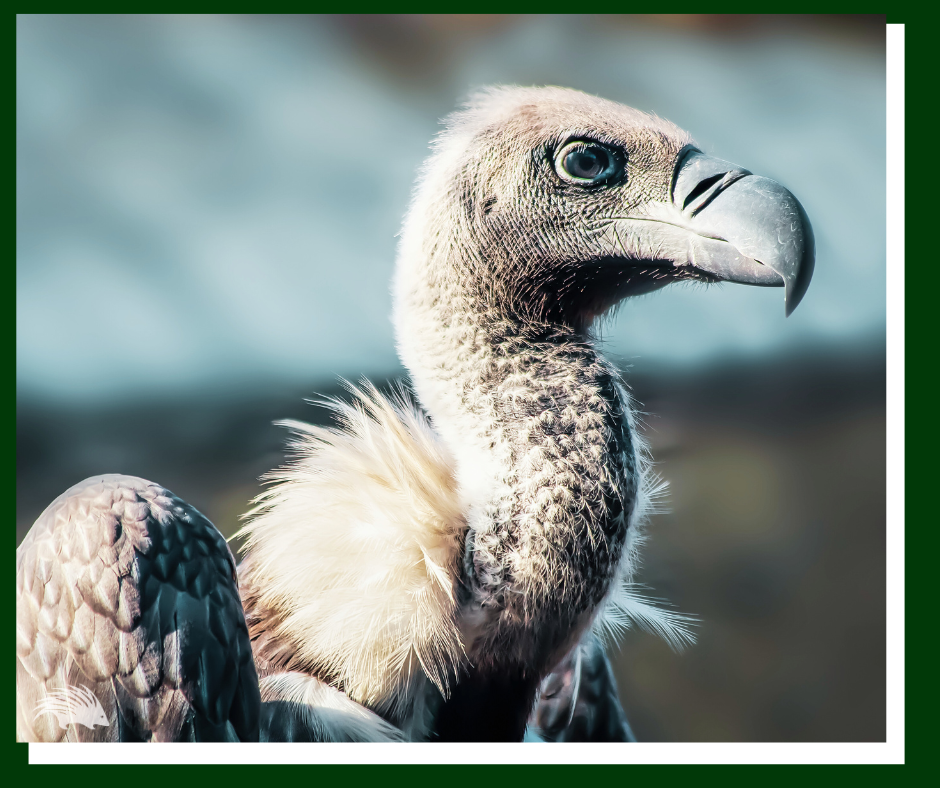
The lappet-faced vulture is harder to miss once you know what you’re looking for. It’s the largest vulture in Africa, with a massive pink and red wrinkled face, a powerful hooked beak, and a commanding presence at a carcass. Where white-backed vultures jostle and crowd, the lappet-faced vulture arrives and the others move aside. It is also the species most capable of tearing through tough hide — opening a carcass that smaller-beaked vultures cannot access on their own.
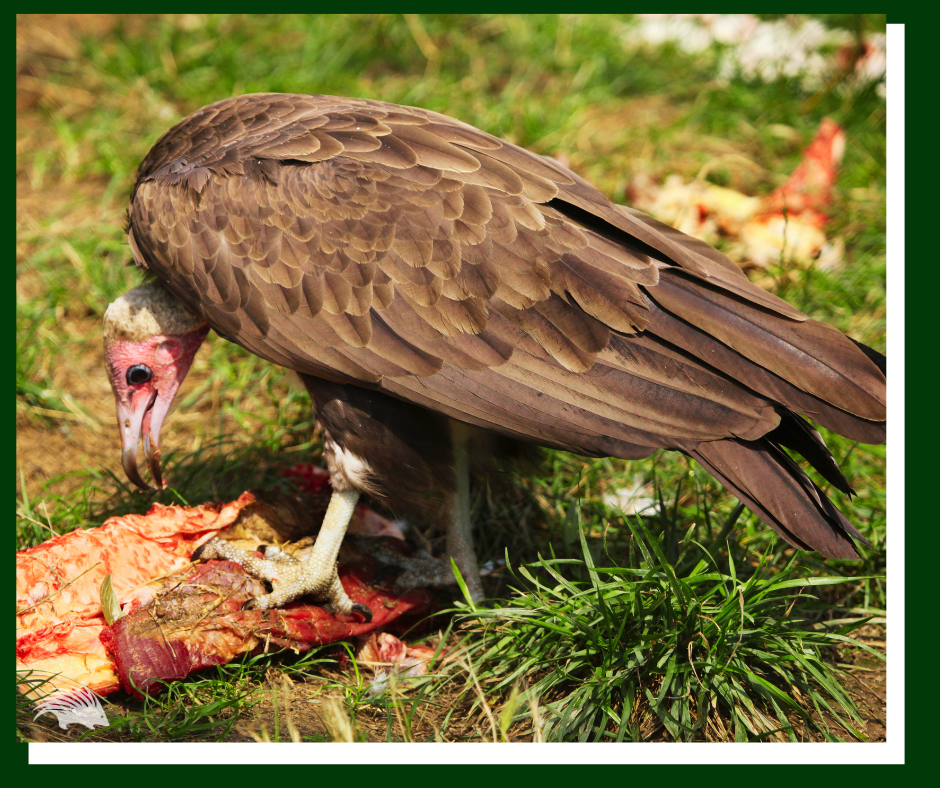
Hooded Vulture (Necrosyrtes monachus)
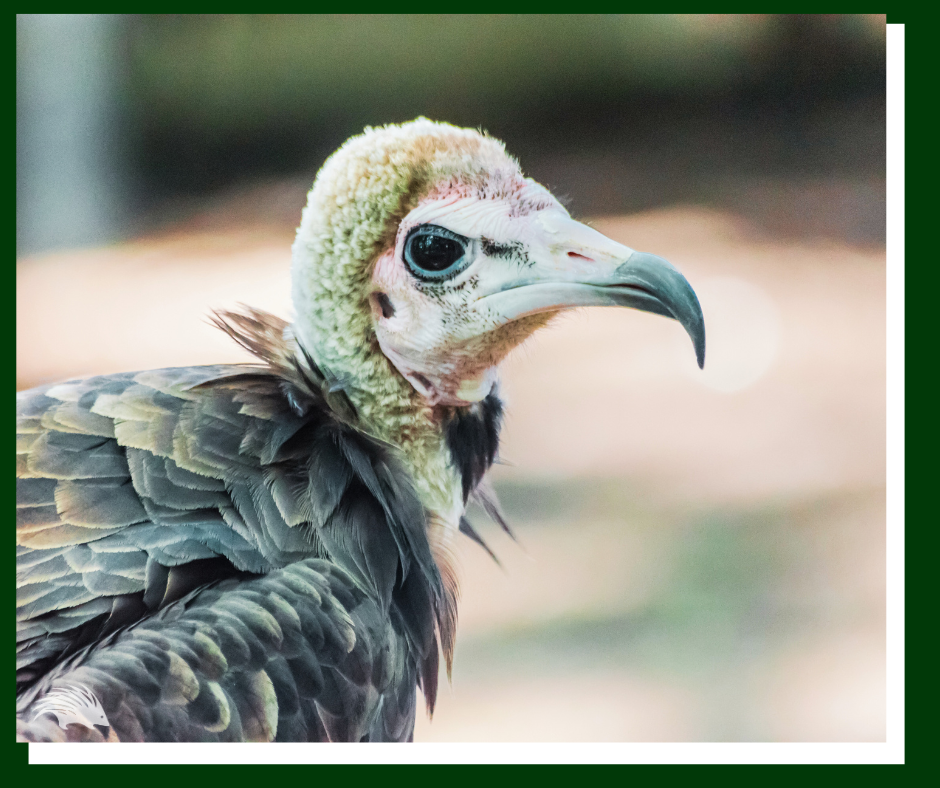
The hooded vulture is the smallest of Kruger’s vultures and one of the most endangered. It has a slender bill suited to picking scraps from tight spaces and a distinctive pink facial skin. Often overlooked because of its smaller size, it is listed as critically endangered and its population has collapsed across much of its African range.
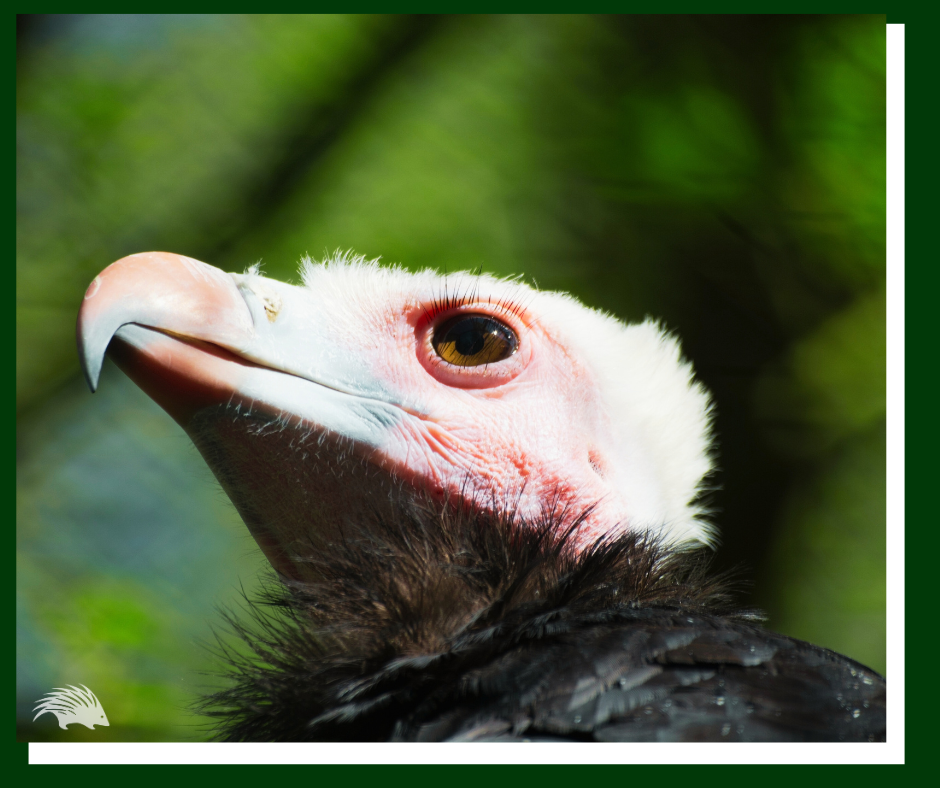
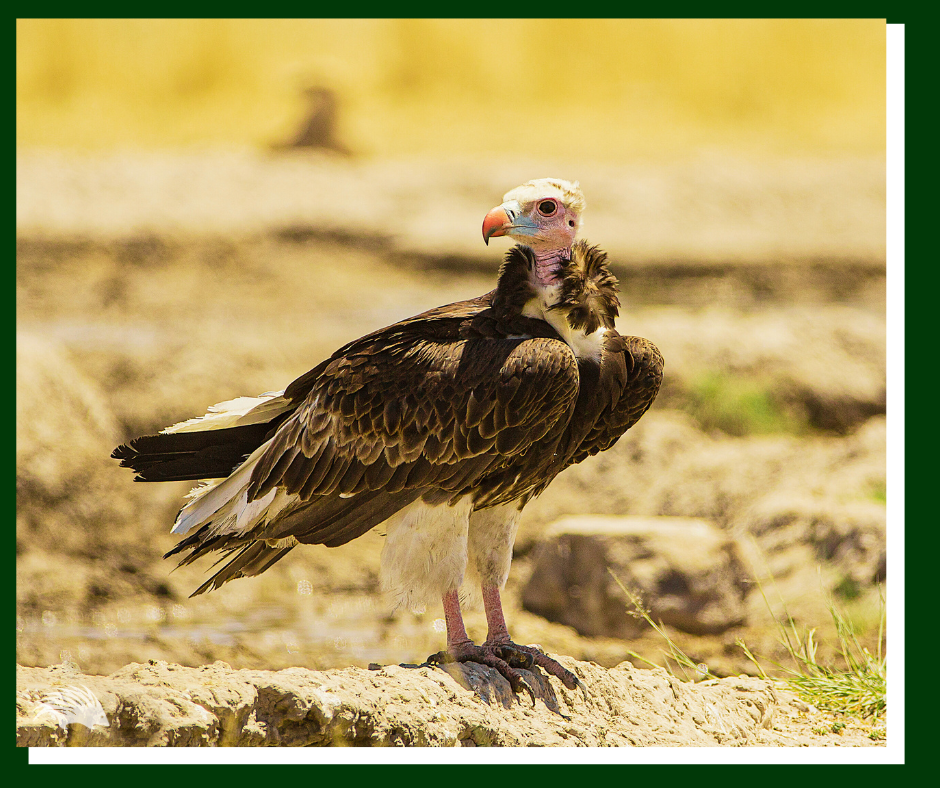
White-headed Vulture (Trigonoceps occipitalis)
The white-headed vulture is striking — white head, orange-red bill, and a bold patterned body. It is one of the first vultures to arrive at a kill and one of the most territorial. It is also classified as critically endangered.
Cape Vulture (Gyps coprotheres)
The Cape vulture is a South African endemic, larger than the white-backed and with a distinctive pale eye. It breeds in cliff colonies outside the park but forages widely across the Lowveld. It too is classified as endangered.
How They Find Food — and Why That Matters
One of the most fascinating aspects of vulture behaviour is how they locate food — and how they work together to do it.
It usually starts with the lappet-faced vulture. Unlike other species that soar in groups, the lappet-faced often patrols the sky alone. Because of its keen eyesight, it is frequently the first to spot a carcass from high altitude.
Once a lappet-faced vulture begins its descent, it becomes a beacon for everyone else. White-backed vultures, which spend their time watching each other rather than the ground, see that initial drop and dive in to follow. This creates a chain reaction: birds even further away notice the activity and converge on the spot as well. Within minutes, a carcass that was completely hidden is surrounded by dozens of birds.
Once they arrive at the site, a clear social order takes over. The larger lappet-faced and white-headed vultures take charge, while the white-backed vultures crowd into the remaining space. Meanwhile, the smaller hooded vultures wait patiently on the fringes to pick up scraps. It might look like a chaotic free-for-all, but it’s actually a highly efficient system that ensures the entire carcass is cleaned up, with each species specializing in different parts.
The Conservation Crisis
Vultures are in trouble across Africa — and the decline is steep, fast, and largely driven by humans. Of the six vulture species regularly recorded in South Africa, most are now classified as vulnerable, endangered, or critically endangered. Population collapses of 80 to 90 percent have been recorded for some species over the past few decades.
The threats are multiple and compounding. Poisoning is the most devastating. Poachers deliberately poison large carcasses because vultures circling a kill alert rangers and park authorities to their location. A single poisoned elephant carcass can kill hundreds of vultures. In parts of East and West Africa, vulture body parts are also used in traditional medicine, creating direct demand for the birds themselves.
Power line collisions and electrocutions kill thousands of vultures annually across southern Africa. Habitat loss reduces breeding and foraging areas. And the slow reproductive rate of vultures — most species raise only one chick per year, and don’t breed until they are several years old — means populations recover extraordinarily slowly even when threats are reduced.
Inside Kruger, SANParks works alongside organisations like the Endangered Wildlife Trust’s Birds of Prey Programme and Vulture Conservation to monitor breeding colonies, respond to poisoning events, and advocate for power line modifications in areas where electrocutions are concentrated.
Why Losing Vultures Would Be a Disaster
This is not a theoretical concern. We know what happens when vultures disappear because it has already happened in South Asia, where the catastrophic collapse of three vulture species following accidental poisoning by a veterinary drug caused a public health crisis — a massive increase in feral dog populations feeding on unprocessed carcasses, a corresponding rise in rabies cases, and enormous economic costs.
In Africa, vultures process an estimated 70 percent of all animal biomass that dies across the savanna. Remove them and disease spreads. Anthrax, botulism, and other pathogens persist in the landscape rather than being neutralised. Scavenger populations of less efficient species boom, with their own knock-on effects.
The vulture is not a peripheral character in the ecosystem. It is load-bearing infrastructure.
Where to See Vultures Around Kruger and Marloth Park
The best vulture sightings in Kruger tend to happen in one of two ways — either finding a carcass or kill already in progress, or spotting birds on thermals in the mid-morning as temperatures rise and soaring conditions improve.
Along the southern routes between Crocodile Bridge and Lower Sabie, white-backed vultures are regularly seen, both in flight and roosting in tall trees near waterholes. The open thornveld of the central regions is good lappet-faced vulture territory. For hooded and white-headed vultures, the northern and northeastern sections of the park offer better habitat.
Around Marloth Park, vultures are occasionally seen soaring above the Crocodile River valley — particularly white-backed vultures that forage widely from communal roosts. A group of vultures spiralling on a thermal above the treeline is one of those sights that stops a conversation mid-sentence.
Conservation Status at a Glance
- White-backed vulture — vulnerable
- Lappet-faced vulture — vulnerable
- Hooded vulture — critically endangered
- White-headed vulture — critically endangered
- Cape vulture — endangered
Few encounters in the bush carry more ecological weight than watching vultures work a carcass. It’s not always comfortable viewing — but it is the bush functioning exactly as it should, and it’s a privilege to watch.
At Needles Lodge, the skies above the Crocodile River valley are worth watching as much as the ground below. Sometimes the most important wildlife sighting of the day is the one most people glance at and dismiss.
Further Reading
The Warthog: Adaptable Survivor of the Savanna
Tue December 2, 2025
Read This Article

Kruger National Park: A Guide to Seasons and Safari Adventures
Wed September 6, 2023
Read This Article
Kruger National Park in Africa offers a captivating safari adventure with its diverse wildlife. The guide covers two main seasons: the wet season (November to April) and the dry season (May to October). The wet season boasts lush landscapes and abundant wildlife but can have challenging road conditions and hot, humid weather. The dry season offers cooler weather and optimal game viewing, but animals may be more dispersed. Regardless of the season,...

The African Wild Dog: A Symbol of Family and Loyalty
Tue August 29, 2023
Read This Article
African wild dogs, known by different names in various African cultures, symbolize family and loyalty. Living in cooperative packs of up to 20 individuals, they work together in hunting, nurturing their young, and defending territory. However, they face challenges like securing food, avoiding predators, and raising vulnerable offspring. Conservation efforts and awareness are crucial to protect these remarkable creatures and their values.
Share This Post