
Discover the steenbok, one of Kruger National Park’s smallest antelope. Learn about its behaviour, habitat, and why spotting this shy bushveld resident is so special.
Antlion Traps: Sand-Pit Assassins of the Bushveld
Posted by Denis on Wed February 11, 2026 in Kruger National Park, Insects, and Fauna and Flora of Kruger National Park.
Discover the secret world of antlion sand‑pit traps in the Lowveld. Learn how these tiny predators engineer lethal traps and why they’re essential to the bush ecosystem.
Antlion Traps: Sand-Pit Assassins
In the African Lowveld, where elephants roam and lions rule the night, some of the savviest predators barely stretch a few millimetres long. Hidden beneath fine layers of dust and sand are the antlions—tiny, patient hunters whose genius lies not in brute strength, but in engineering.
All across the Lowveld, from the dry grazing fields to the well-trodden game drive routes near Needles Lodge, these silent killers set their traps like clockwork, waiting for an unsuspecting ant or termite to slip. To see the bush properly, you don’t just look out—you look down. Because between your boots and the brush, life is always unfolding.
What’s an Antlion, Really?
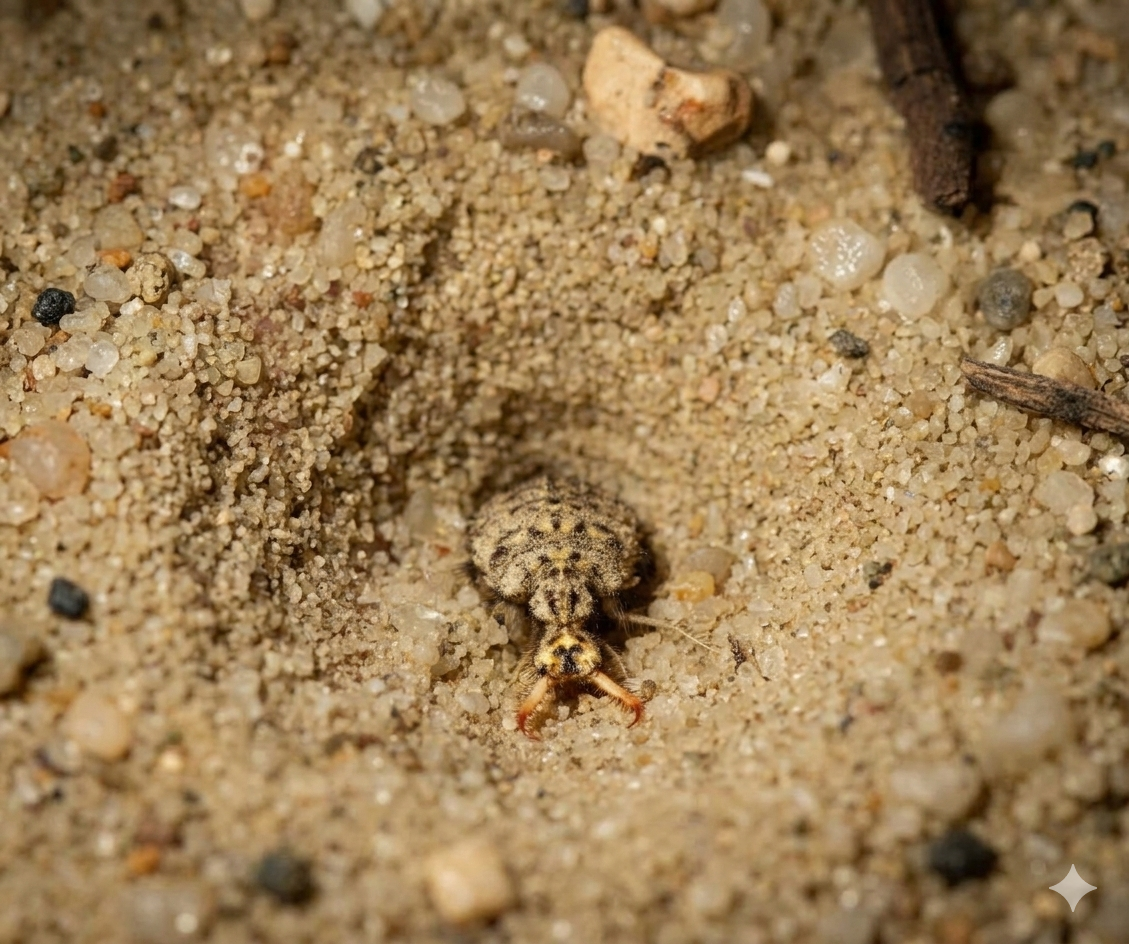
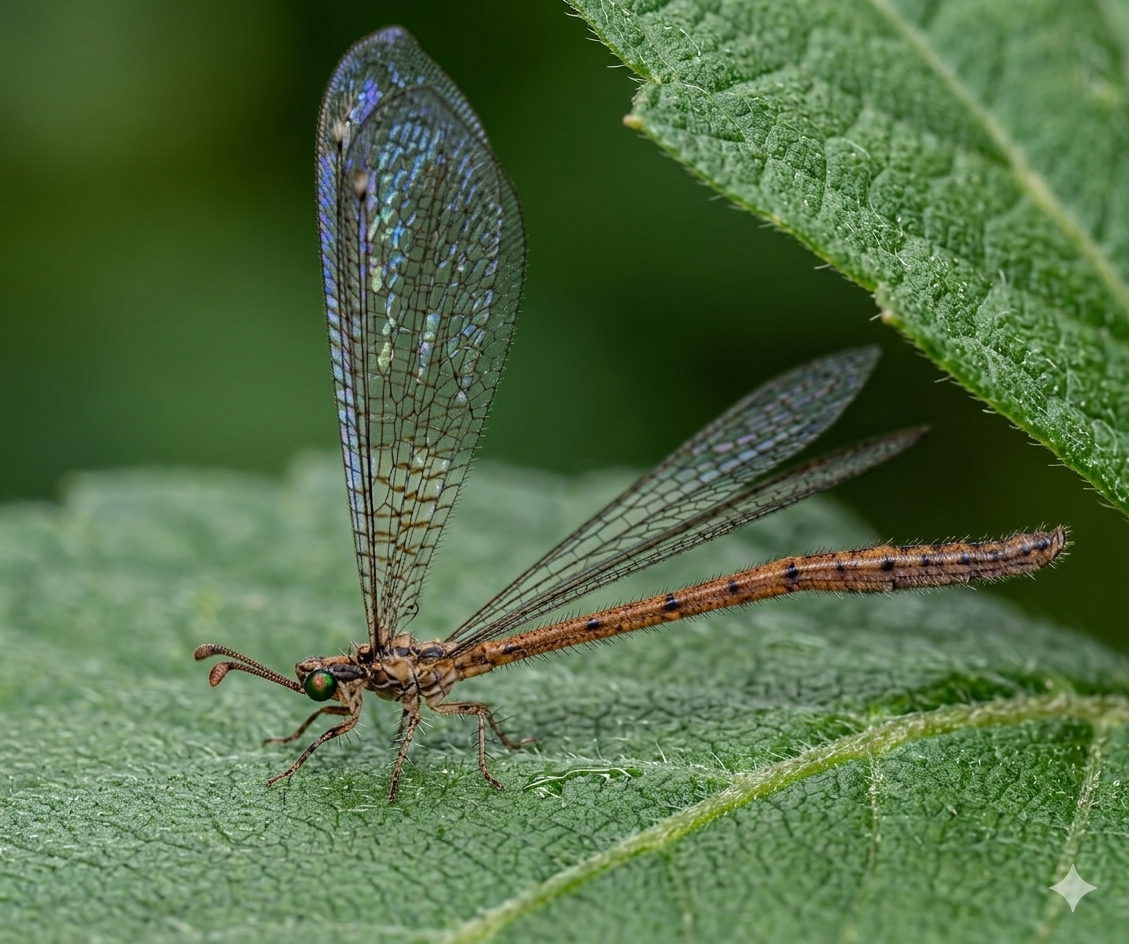
They might look like dainty dragonflies once fully grown, but the real drama plays out in their larval stage. These squat, sand-coloured insects (from the family Myrmeleontidae) spend most of their lives underground—waiting, watching, and striking with lightning speed.
The adults are harmless, delicate flyers. It’s the larvae you’re more likely to spot signs of—by their traps, not their bodies. Their claim to fame? Those tell-tale little sand pits that look like someone tipped out a miniature funnel. These are more than pretty patterns in the dirt. They’re lethal.
Antlions are also closely related to lacewings and owlflies, but their hunting techniques are uniquely adapted to the dry, dusty regions of the Lowveld. While other insects chase, the antlion waits.
How the Trap Works: Sand as a Weapon
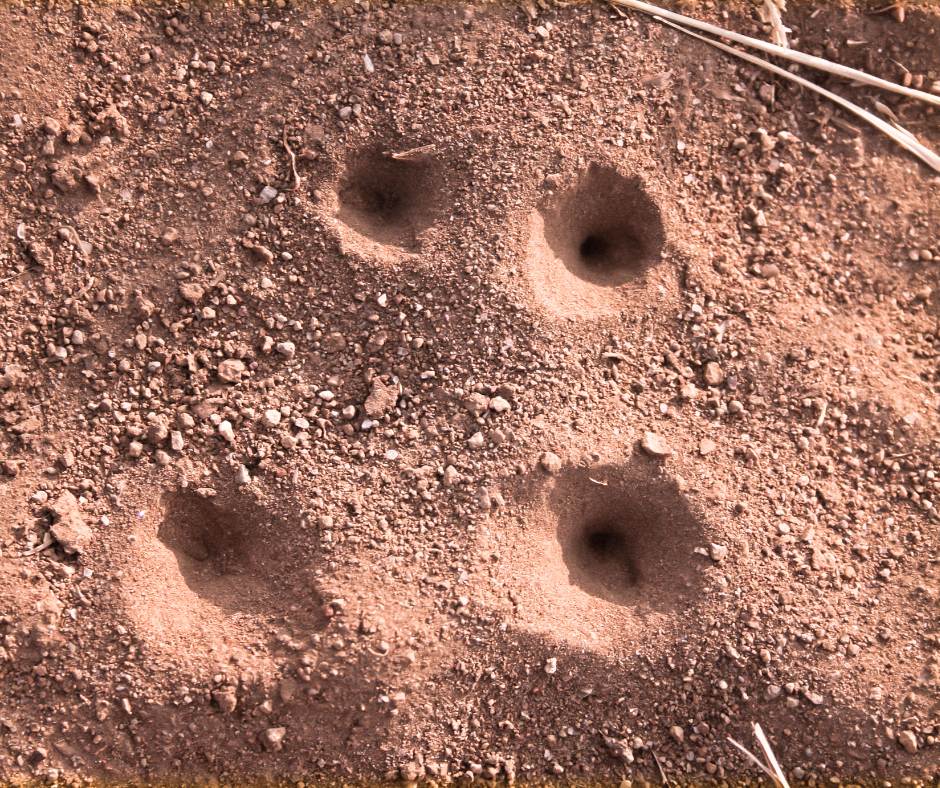
At first glance, an antlion pit looks unremarkable: a neat, shallow cone in soft soil. But that shape is the key.
Here’s the process:
- The larva finds loose, dry sand—ideal for collapsing edges.
- Using its flat body and powerful jaws, it scoops out grains in a circle, slowly spiraling backward to deepen the pit.
- The slope is sharpened to just the right angle. One wrong step, and gravity does the rest.
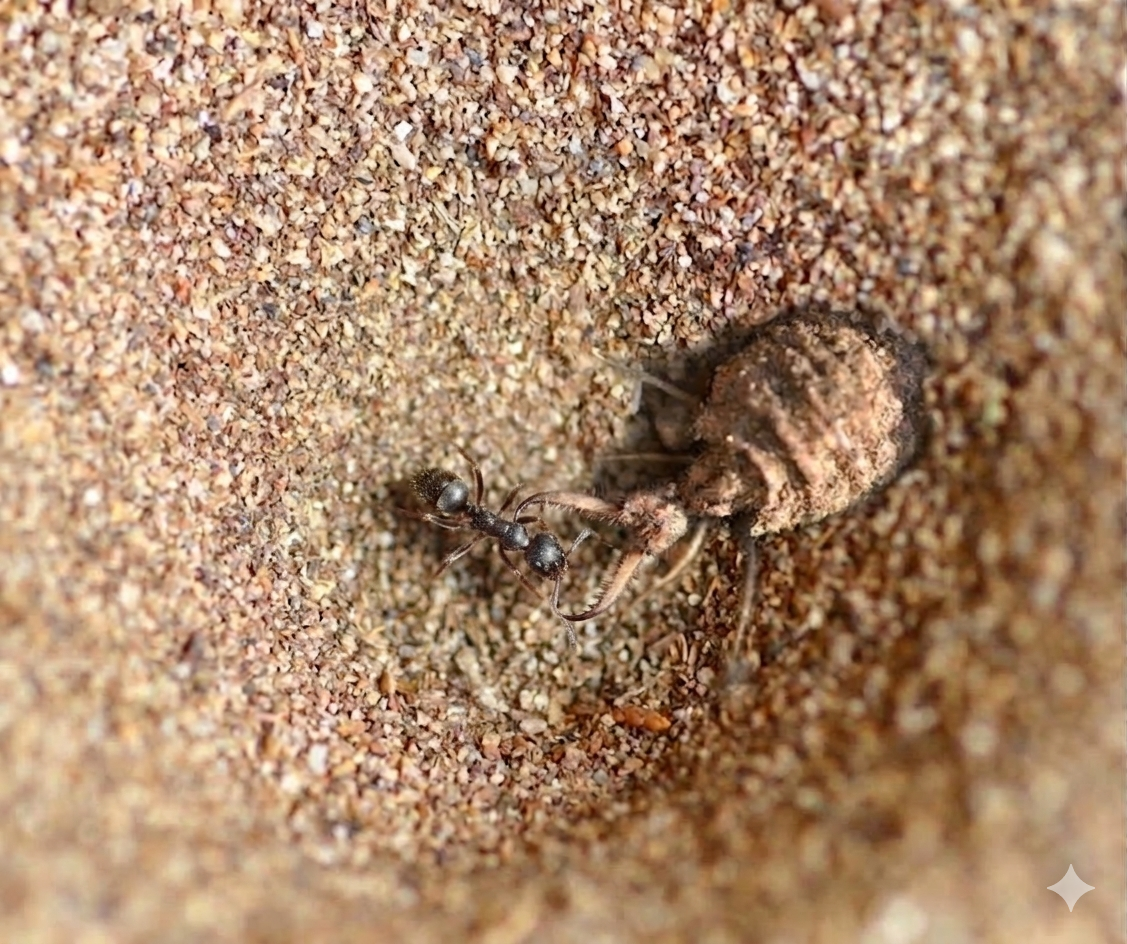
When an ant or small insect stumbles into the rim, the walls crumble. The prey tumbles downward as the antlion pelts it with sand to prevent escape. In a blink, it’s snatched and dragged beneath the surface—out of sight.
It’s a bit like quicksand. But weaponized. And it’s astonishingly effective. Scientists have studied the geometry of these pits and found they’re engineered with surprising mathematical precision. The angle of repose—the steepest angle at which a pile of loose material remains stable—is central to the design. Too shallow, and prey escapes. Too steep, and the walls collapse. The antlion walks that line expertly.
Tiny Predators, Big Ecological Role
You won’t see them featured on a Big Five checklist, but antlions are vital to the bush. Their pits help control populations of ants and small arthropods, quietly keeping ecosystems in balance.
They’re nature’s pest control—no need for chasing or fighting for territory. Just strategic architecture, grit, and gravity.
Their role extends to nutrient cycling as well. When antlion larvae consume their prey, the breakdown of insect matter contributes to the health of the soil, feeding microorganisms that, in turn, support plant life.
Where to Spot Them Around Marloth Park
Antlions prefer undisturbed, sandy soil. That means you’re most likely to find them:
- Along the edges of dry pans
- Under tree canopies where the ground stays dry
- Near walking trails, especially those not heavily trafficked
- Around the bases of buildings where the soil is sheltered from rain and wind
In the early morning or late afternoon, when the sun casts low shadows, these pits become easier to spot. Look for near-perfect circles tapering into a center point. Some might be only a few centimetres wide, but once you’ve seen one, you’ll start noticing them everywhere.
If you have a magnifying glass or zoom lens on your camera, it’s worth taking a closer look. With patience, you might even witness the trap in action.
Fun Facts About Antlions
Name with Bite
Despite the name, they aren’t related to ants or lions. But their hunting style earns the title. The name comes from the belief that these larvae are ruthless ant killers—and in practice, they absolutely are.
Ancient Lineage
Fossils show that antlions have been around for over 150 million years. Their ancestors hunted during the time of the dinosaurs, making their pit-building technique one of the longest-running survival strategies on Earth.
Trap Builders Without a Pit
Not all antlion larvae build pits. In firmer or leaf-littered terrain, some species simply lie in wait beneath the surface, using ambush tactics instead of sand traps—proof that even within this group, survival tactics vary with the environment.
When they're not building pits, antlion larvae can bury themselves completely beneath the surface, lying in ambush with only their jaws visible. Unless you know what to look for, you’d never know a predator was right beneath your feet.
Stillness as Strategy
What makes the antlion remarkable is that it teaches us that waiting can be just as deadly as chasing. While other predators rely on speed or stealth, antlions succeed through silence, subtlety, and physics.
Their jaws aren’t built for chewing—they’re made for piercing and sucking. Once prey is caught, it’s dragged below, digested externally, and discarded once the nutrients are gone.
The larval stage can last months—or even years—depending on environmental conditions. Once they finally pupate, the adult antlion lives only briefly. It’s a life almost entirely devoted to lying in wait.
Safari Lessons From Below the Surface
For guests staying at Needles Lodge, it’s easy to focus on the big spectacles: giraffes grazing in the garden, warthog rolling in the mud. But the antlion offers a humbler perspective.
It reminds us that in the bush everyone plays a role. It’s about balance—between large and small, seen and unseen. And when we stop to notice what’s happening beneath our feet, it adds deeper layers to our bush adventures.
This quiet side of the Lowveld is also reflected in stories of creatures like the African Hoopoe and the Martial Eagle—each with its own place in the larger ecological tapestry.
How to Observe Without Disrupting
- Don’t poke the pits. Even small disturbances can collapse their carefully built traps.
- Walk around, not through. Stick to paths, especially in known sandy patches.
When you walk through the Lowveld—whether near Needles Lodge or on a sunrise walk in Kruger National Park—you’re not just moving across a landscape. You’re passing over thousands of small dramas.
Antlions show us that patience and precision can be just as powerful as speed and strength. They’re architects of instinct. Sculptors of soil.
So next time you’re out, take a second to look down. The most fascinating story of the bush might be written in grains of sand, carved into a perfect spiral, with a predator curled in wait just in the sand.
Because in the African bush, every level tells a story—even the ones right beneath your feet.
Further Reading
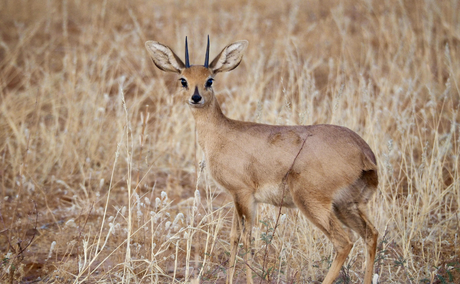
The Steenbok: The Bushveld’s Tiny Phantom
Tue March 24, 2026
Read This Article
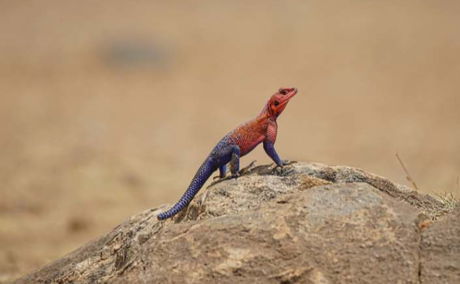
Lizards of the Lowveld: Tiny Dragons of the Bushveld
Tue April 22, 2025
Read This Article
Discover the fascinating world of lizards in Kruger and Marloth Park. Learn about these tiny dragons of the bushveld at Needles Lodge.
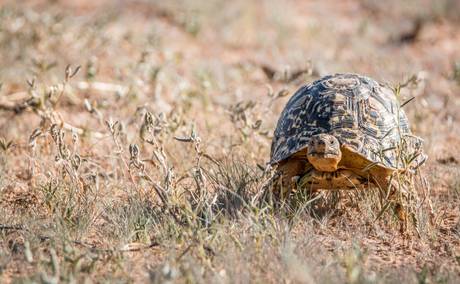
The Leopard Tortoise: A Spotted Survivor of the African Bush
Wed September 18, 2024
Read This Article
n the sun-scorched African wilderness, a surprisingly resilient reptile stands out—the Leopard Tortoise (Stigmochelys pardalis). While it may lack the speed of a cheetah or the might of a lion, this tortoise is a master of survival, equipped with a shell so strong it can endure the bite of predators and even withstand being stepped on by an elephant.

Aardwolf: The Enigmatic Insectivore of Southern and Eastern Africa
Sat September 9, 2023
Read This Article
Discover the aardwolf, a unique hyena cousin residing in southern and eastern Africa. This enigmatic creature's insectivorous diet, solitary lifestyle, and intriguing behaviors make it a fascinating and misunderstood member of the animal kingdom. Explore its remarkable adaptations and essential role in maintaining ecological balance, shedding light on the significance of conserving this captivating species.
Share This Post