
Planning a Kruger safari from abroad? Discover the complete 90-day timeline covering flights, visas, malaria precautions, accommodation, packing lists, and expert safari tips for Kruger National Park and Marloth Park.
Kruger is often described as a resident wildlife destination, and compared to the Serengeti or the Masai Mara, that is largely true. There is no single spectacle here of a million wildebeest crossing a river. What there is, less visible but no less real, is a continuous pattern of seasonal movement: herds shifting north and south with the rains, birds arriving from as far away as Siberia and Central Africa, predators tracking the prey that tracks the grass.
Understanding what is moving, when, and why, changes how you read a game drive. An empty road in the wrong season does not mean there is nothing here. It means the animals are somewhere else right now, and knowing where that is tells you where to look.
How Mammals Move in Southern Kruger
It Is About Water and Grass, Not Distance
Large mammals in Kruger do not migrate in the classical sense of covering fixed routes between fixed destinations. What they do is track resources: water in the dry season, fresh grass in the wet season. As those resources shift across the landscape through the year, the animals shift with them. The distances involved are tens to hundreds of kilometres, not thousands. But the pattern is consistent enough, and large enough in scale, that it changes what the southern section of Kruger looks like at different times of year.
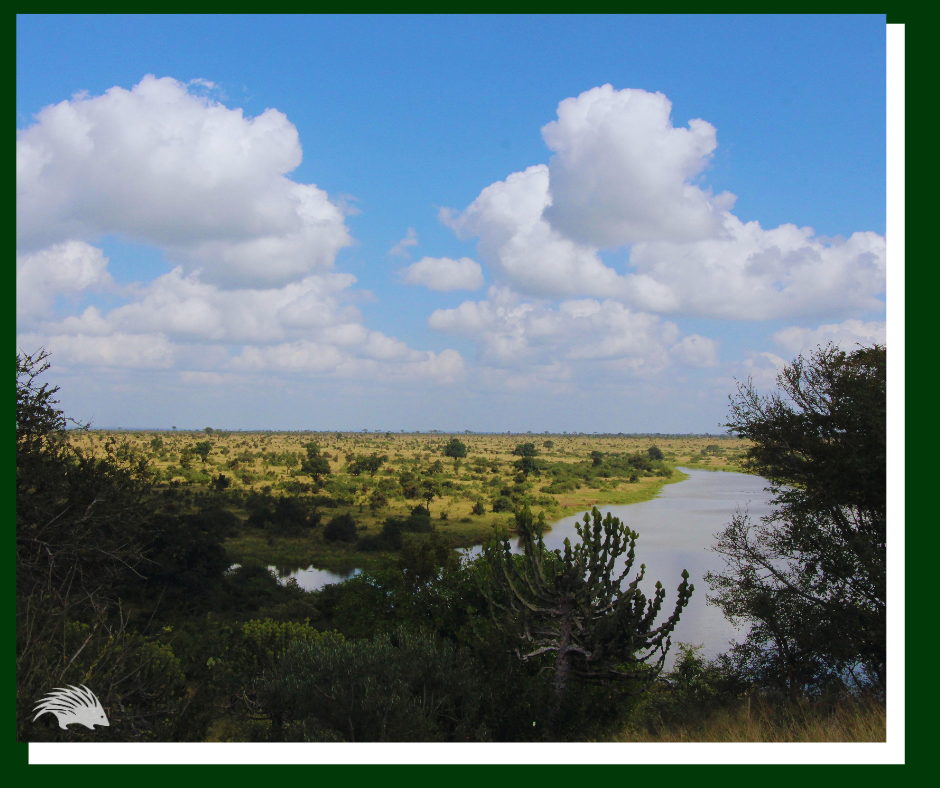
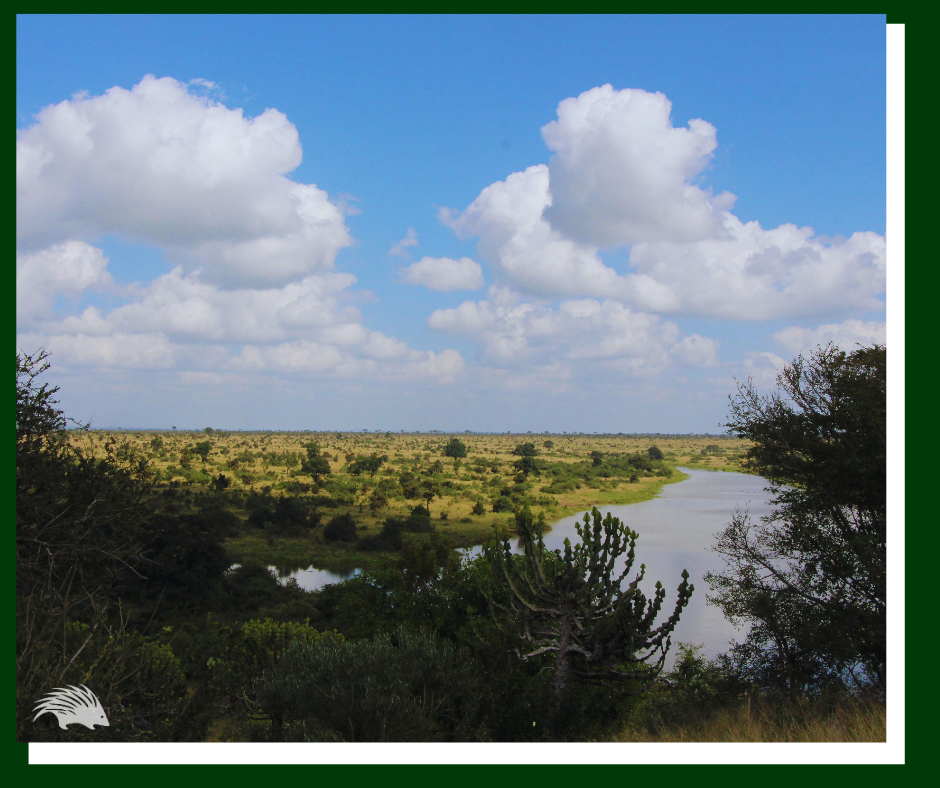
The basic driver is simple. In the wet season (November to April), rain falls widely across the park and green grass grows almost everywhere. Animals spread out to use it and there is no particular advantage to concentrating near permanent water. In the dry season (May to October), the rain stops, the grass cures, and water becomes scarce. Animals move toward the permanent rivers: the Crocodile, Sabie, Olifants, and Luvuvhu, and toward the remaining permanent waterholes. The southern section, where the Crocodile River runs along the park's boundary, becomes more productive as the dry season progresses.
The Kruger Mini Migration
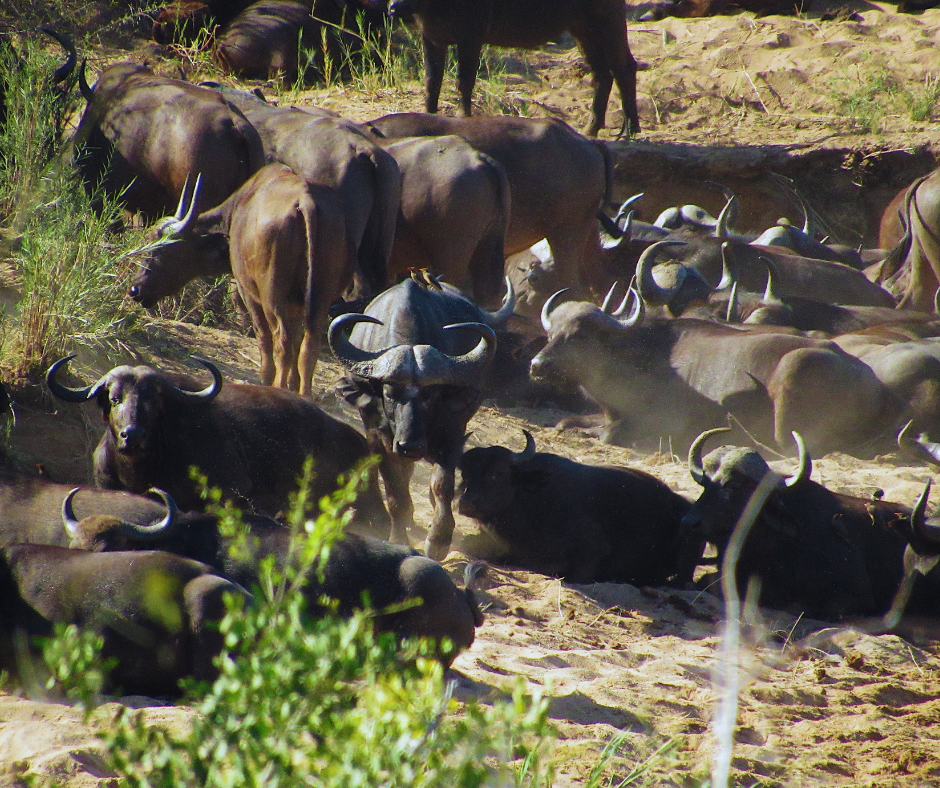
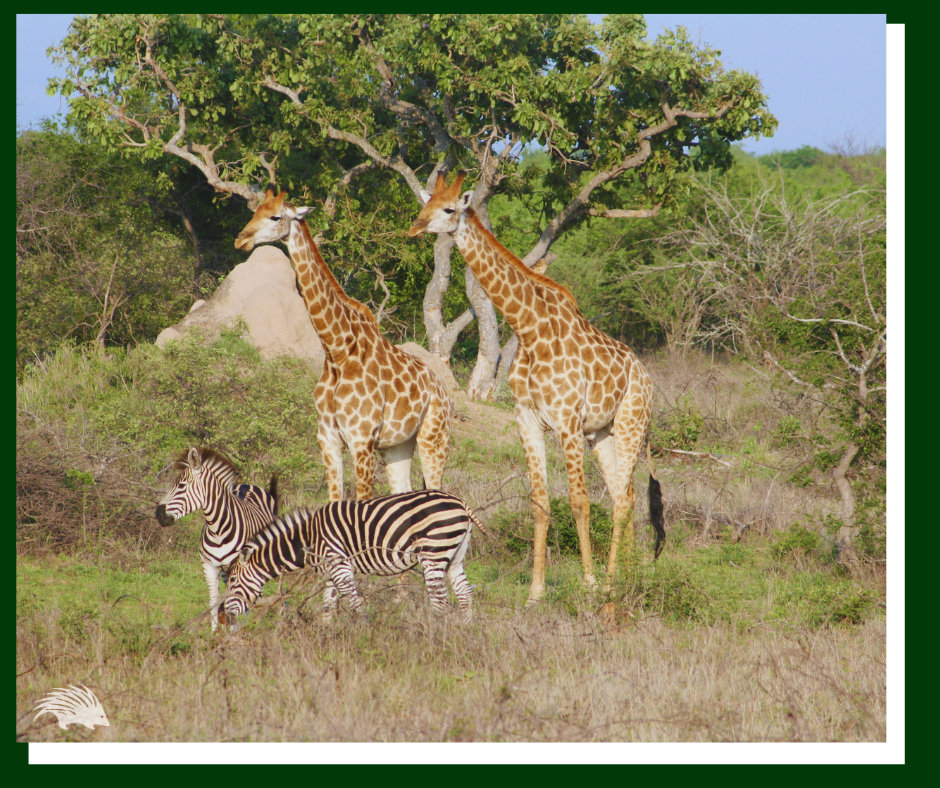
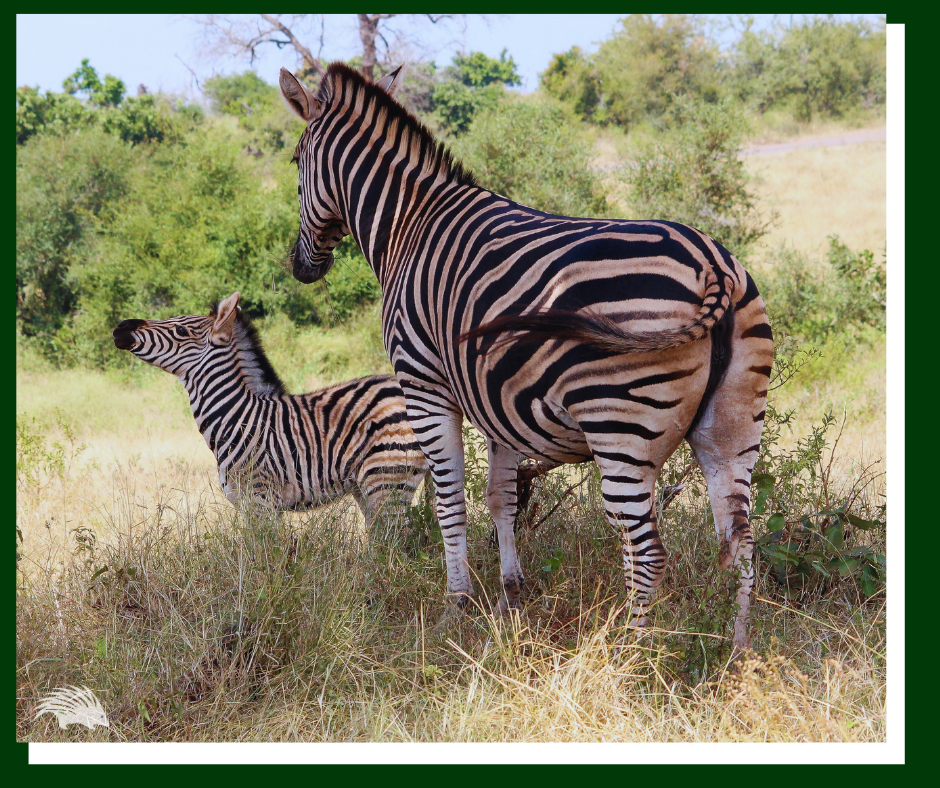
Between May and July, a seasonal movement of zebra, wildebeest, and buffalo southward toward the basalt savannas around Lower Sabie and the open grasslands of the Mondzo Plains is well established in the park's long-term observation records. This is sometimes called Kruger's mini migration, though the term is informal.
The movement is driven by the quality of grazing on the basalt soils of the southern and south-central sections. These soils hold more moisture than the granite-derived soils further north, and the grass on them remains more palatable deeper into the dry season. Zebra and wildebeest in particular respond to this difference, moving south as northern grazing deteriorates. When the spring rains arrive from September onward, the movement reverses: herds return north and northeast, tracking the fresh growth that follows the rain front.
For guests at Needles Lodge, this movement pattern has a direct consequence. The dry season months of June to September, which are also the peak visitor months for international travellers, coincide with the period when large herds concentrate in the southern section around the Crocodile River and Lower Sabie. The game viewing in the southern section is at its most dense precisely when most people visit.
Elephant
Elephant in Kruger do not follow a single migration route. GPS tracking studies have shown that different elephant groups use different seasonal ranges, with major shifts in movement speed occurring at the end of the dry and wet seasons. Some groups in the southern and central sections move westward into the adjacent private reserves (Sabi Sand, Klaserie, Timbavati) when fences between Kruger and those reserves were removed, giving them access to a considerably larger range than the park boundary alone would allow.
In the dry season, elephant in the southern section concentrate heavily along the Crocodile River, where water is permanent. Elephant families drinking, mud-bathing, and moving along the riverbanks are among the most consistent sightings from the Crocodile Bridge gate area through the dry months.
Buffalo
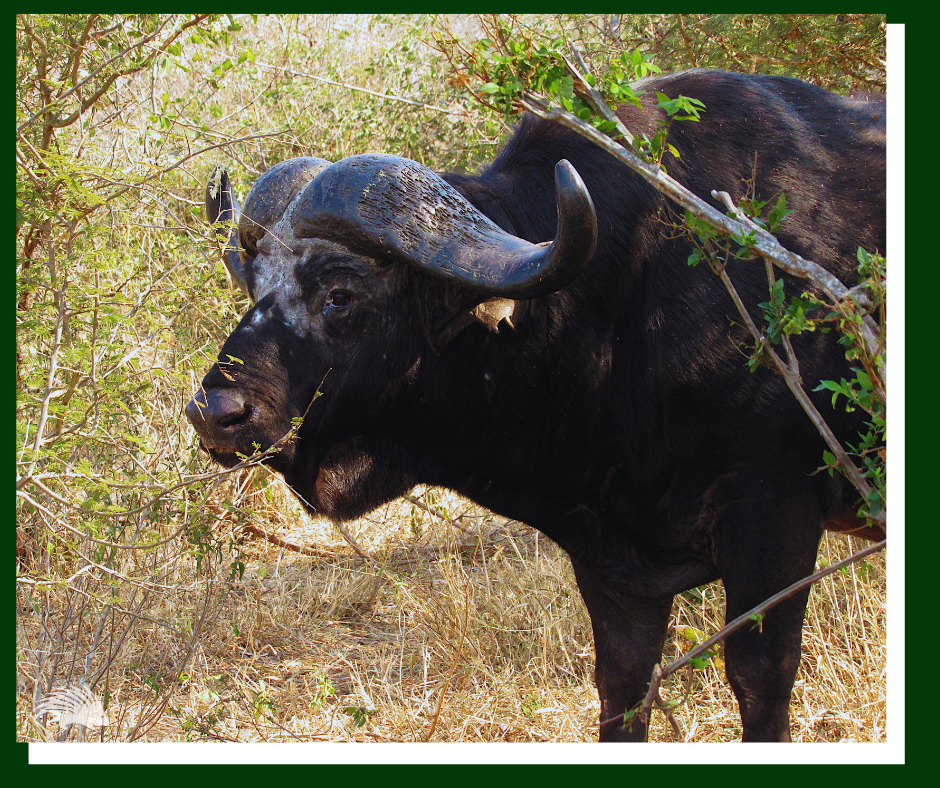
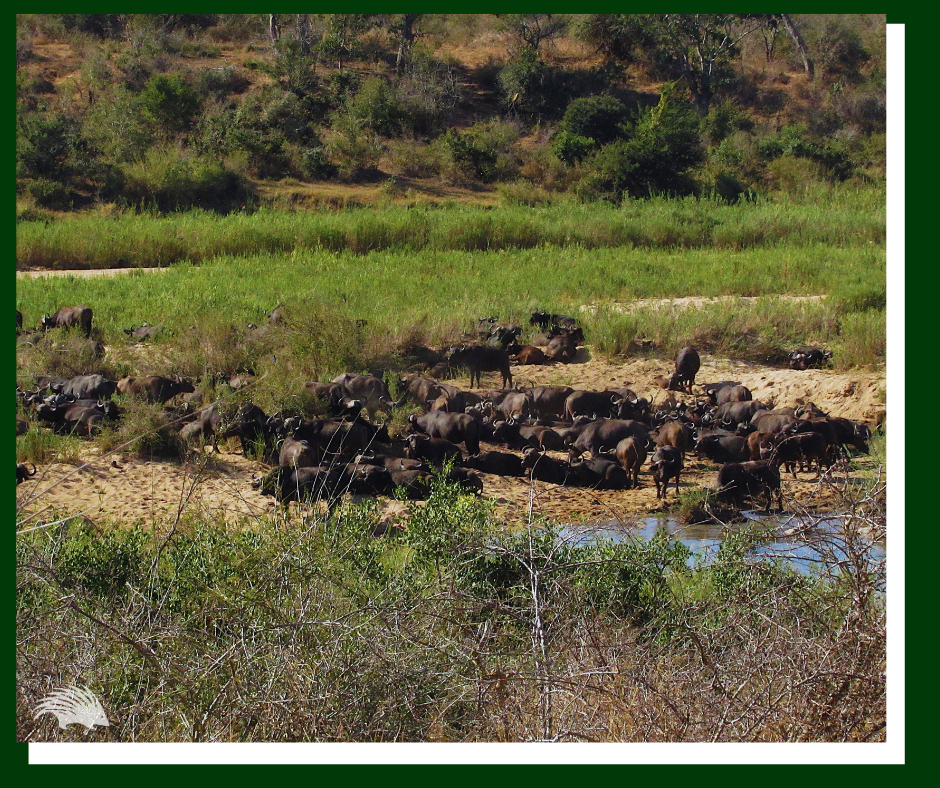
Buffalo in the southern section move between dry-season concentrations near permanent water and wet-season dispersal into areas of better grazing. Large herds, sometimes numbering several hundred animals, are a feature of the southern section roads in the dry season. Buffalo can digest coarser, more fibrous grass than most other grazers, which means they often remain in areas after zebra and wildebeest have moved on, grazing down the older material and opening the way for new growth.
Impala, Kudu, and the Residents
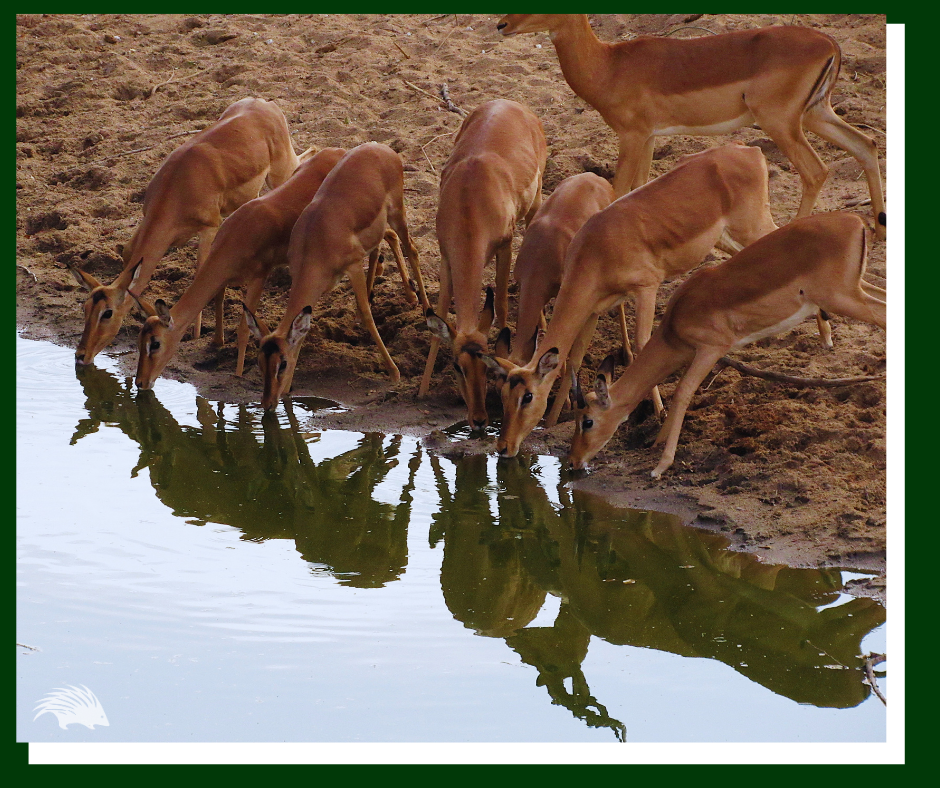
Not all animals in southern Kruger move significantly between seasons. Impala, the most abundant mammal in the park, hold relatively small home ranges and do not undertake seasonal movements of any scale. Kudu, nyala, bushbuck, and warthog are similarly resident in the areas where they are found. The predators, with the exception of wild dogs which cover large ranges, are also largely resident: a lion pride holds a territory year-round, and the territory shifts only slowly over years, not seasons.
The Birds That Come and Go
Two Migration Systems Converge on the Lowveld
Kruger receives migrants from two completely separate systems. The Palaearctic migrants come from Europe, northern Africa, and Asia, travelling south to escape the northern winter and arriving in Kruger from September to November. The intra-African migrants come from Central and West Africa, moving south to breed in the Lowveld summer and arriving on a similar timetable. Both groups depart in March and April as the southern summer ends.
The result is that the bird list in Kruger changes dramatically between winter and summer. A game drive in July and a game drive in December can produce almost entirely different species lists, even on the same roads. Around 505 bird species have been recorded in the park; a significant proportion of these are seasonal.
The Palaearctic Migrants: From Europe and Asia
The Steppe Buzzard is one of the most numerous Palaearctic migrants in the Lowveld. It breeds across eastern Europe and into Siberia, leaves its breeding grounds in September and October, and arrives in the Lowveld from late October onward. It is a common sight perched on telephone poles and fence posts along the roads near Marloth Park and inside Kruger through the summer months.
The European Roller, one of the most visually striking migrants, arrives mainly in November from its breeding grounds in southern Europe. The electric blue and cinnamon plumage makes it one of the easier migrants to identify from a moving vehicle. European Bee-eaters arrive from October onward and are often seen in fast-moving flocks over open ground. Common Sandpipers and other Palaearctic waders appear from September, with some passing through Kruger as passage migrants on their way further south.
The Amur Falcon is among the later arrivals and the most remarkable traveller of the group. It breeds in northeastern China and southeastern Siberia and crosses the Indian Ocean to reach southern Africa, one of the longest water crossings made by any small raptor. It arrives in South Africa from November onward and is gregarious when it is here, appearing in large flocks over open savanna.
The Intra-African Migrants: From Central and West Africa
The intra-African migrants travel shorter distances than the Palaearctic species but their arrivals are no less noticed. The Woodland Kingfisher is the most iconic of them. It arrives from Central Africa (Angola, Cameroon, and surrounding countries) between October and November and starts calling almost immediately upon arrival. In Marloth Park, the first Woodland Kingfisher call of the season is a reliable marker that summer has begun.
The African Cuckoos arrive in October and November, many of them parasitising specific host species in the Lowveld for their breeding. The Diederik Cuckoo, Red-chested Cuckoo, and Klaas's Cuckoo all arrive from the north in this window. The African Pygmy Kingfisher is a small, easily overlooked intra-African migrant that turns up in the riparian areas of the southern section from November onward.
Southern Carmine Bee-eaters breed in the northern sections of Kruger from around August to October, excavating nest burrows in sandy river banks, before departing for Central Africa. They are less common in the southern section but are occasionally seen on drives toward Lower Sabie and Skukuza.
What Stays Year-Round
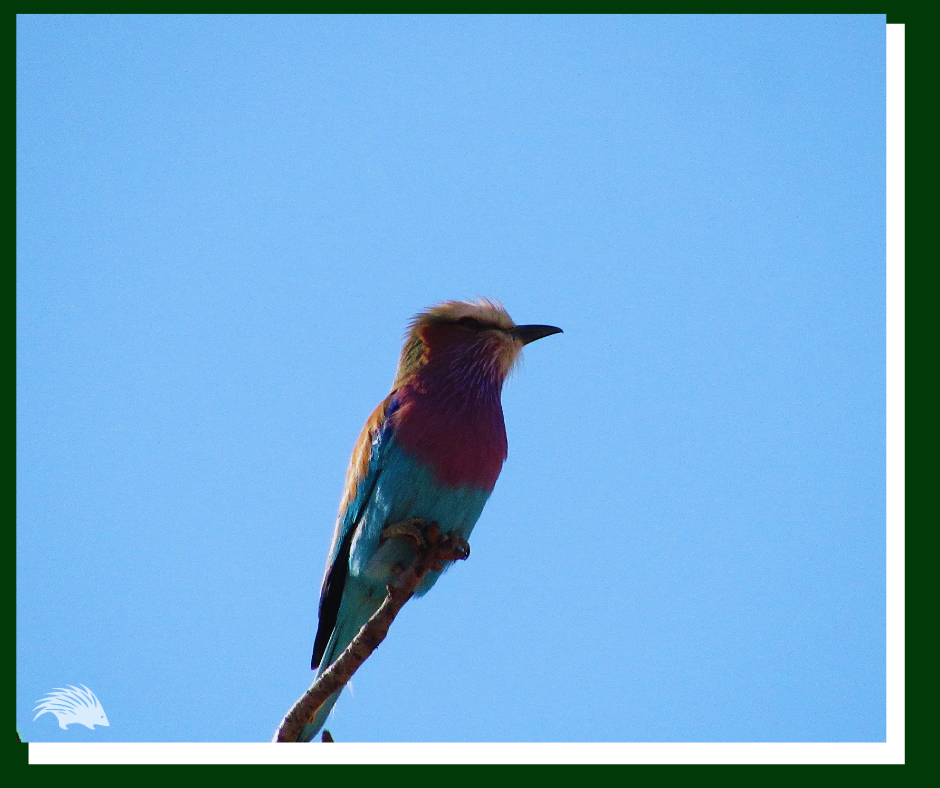
Not everything moves. The majority of Kruger's resident bird species are present throughout the year, including the hornbills, rollers, kingfishers, and raptors that most visitors associate with the park. The Lilac-breasted Roller is resident. The Southern Yellow-billed Hornbill is resident. The Martial Eagle and Bateleur are resident raptors. These species are present on every game drive regardless of season, which gives the park a consistent bird character even as the seasonal visitors come and go around them.
What Movement Means for Your Visit
Understanding seasonal movement changes what you expect from a game drive. The dry season (May to October) concentrates mammals in the southern section: herds near the Crocodile River, elephant along the banks, predators following the concentration of prey around water. The bush is open, animals are visible at distance, and the roads around Crocodile Bridge and Lower Sabie are at their most productive.
The wet season (November to April) disperses those same mammals across the park, thinning out the southern concentrations. What replaces them is a different kind of wildlife viewing: newborn impala and other antelope from November, the arrival of the summer migrants from October onward, and a green, active landscape that is photogenic and full of bird activity. The southern Crocodile River section still produces sightings year-round because the permanent water draws animals even when the seasonal pressure is lower.
At Needles Lodge, the team tracks current animal movement in the areas accessible from Crocodile Bridge and Malelane gates. What was on the river road three days ago may have moved to a waterhole further north today. The guide's knowledge of where things are right now is more useful than any general description of where things are at this time of year.
Frequently Asked Questions
Does Kruger National Park have a migration like the Serengeti?
Not on the same scale. The Serengeti-Masai Mara migration involves over a million wildebeest covering fixed routes between Tanzania and Kenya. Kruger's animal movements are seasonal shifts driven by water and grass quality, covering tens to hundreds of kilometres rather than thousands. The southern section sees an informal 'mini migration' of zebra, wildebeest, and buffalo southward in the dry season (May to July) toward the basalt grasslands around Lower Sabie and Satara, reversing when the rains arrive.
When is the best time to see large herds in southern Kruger?
The dry season from June to October concentrates large mammals near permanent water, which in the southern section means the Crocodile River, Lower Sabie, and the permanent waterholes along the main roads. Zebra, wildebeest, and buffalo are most likely to be found in large groups in this period. September and October have the highest animal concentration but are also the hottest months. May and June offer good concentrations with milder temperatures.
What migrant birds can I see in Kruger in summer?
Kruger receives two streams of summer migrants. From Europe and Asia: Steppe Buzzard, European Roller, European Bee-eater, Common Sandpiper, and Amur Falcon, among others. From Central and West Africa: Woodland Kingfisher, African Cuckoos (Diederik, Red-chested, Klaas's, Black), African Pygmy Kingfisher, and various swallows and warblers. Most arrive between October and November and depart in March and April. The southern section of Kruger, accessible from Needles Lodge, receives both groups.
Do elephant migrate in Kruger?
Elephant in Kruger do not follow fixed migration routes. Their movements are seasonal shifts driven by water and grass availability, with major changes in movement speed at the end of the dry and wet seasons. In the dry season, elephant in the southern section concentrate along the Crocodile River where water is permanent. Some groups also move into adjacent private reserves (Sabi Sand, Timbavati, Klaserie) through gaps created when fences between Kruger and those reserves were removed.
Why does the southern Kruger section have good game viewing year-round?
The Crocodile River along the southern boundary is permanent water, which draws animals regardless of season. In the dry season, the river concentrates elephant, hippo, crocodile, and large herds of plains game. In the wet season, the concentration disperses but the resident species (impala, kudu, nyala, warthog, and all the predators) remain. The wet season adds summer migrant birds and newborn animals. The southern section does not have a quiet period: what changes between seasons is what is there, not whether there is anything.
Yes. The Woodland Kingfisher is a regular visitor to Marloth Park and Needles Lodge from October or November onward, and is present through March. It calls from the trees around the lodge in the early morning, often before the first game drive of the day. It is one of the most audible signs that the wet season has arrived in the Lowveld.
Needles Lodge in Marloth Park is 10 minutes from the Crocodile Bridge gate into southern Kruger. Our team tracks current animal movements and can tell you where the herds are, what migrants have arrived, and which roads are producing the best sightings right now. Get in touch to plan your visit.
Share This Post