

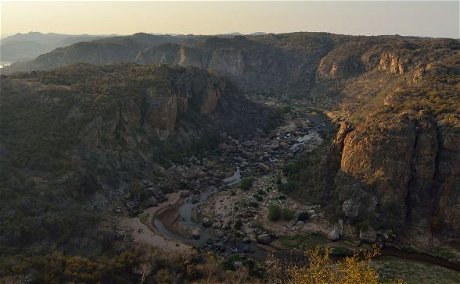
Exploring Kruger National Park is a journey through Earth's geological history, showcasing ancient rocks, life's evolution, and dramatic landscapes. The park's diverse geology, from three-billion-year-old bedrock to recent Quaternary formations, reveals the planet's dynamic past. Highlights include the Lebombo Monocline and rich fossil records. This narrative emphasizes the importance of conservation and the unique opportunity to connect with Earth's ancient past at Needles Lodge.
Step into the Lowveld just after sunrise and you’ll notice something subtle but profound. The grass is cropped short in places, trees wear fresh browse marks, and narrow paths wind through thickets as if laid out by an unseen hand.
This isn't an accident. Long before fences or roads existed, herbivores were shaping the African bush—patiently, persistently, and with extraordinary precision. Around Marloth Park and throughout the Kruger National Park, these plant-eaters are the ecosystem’s master engineers. They don’t roar or hunt, yet their influence determines where forests stand and which species thrive.
To truly understand the bush, you have to understand its herbivores.
The Bush as a Living System
The African bush is a living, breathing system shaped by three things: rainfall, fire, and teeth. Herbivores regulate plant growth, preventing any single species from taking over and recycling nutrients back into the soil. Without them, the Lowveld would quickly lose its balance, either choking under dense, impenetrable woodland or collapsing into poor-quality grassland.
When you're sitting on the deck at Needles Lodge, watching an Impala nibble at fresh shoots or a Giraffe reach into the acacia canopy, you're witnessing some pretty remarkable landscapers at work. In the bush, the landscape is changed one mouthful at a time.
Grazers: The Lawn-Keepers of the Savanna
Grazers feed primarily on grasses, and in doing so, they sculpt the open landscapes so characteristic of the Kruger’s plains.
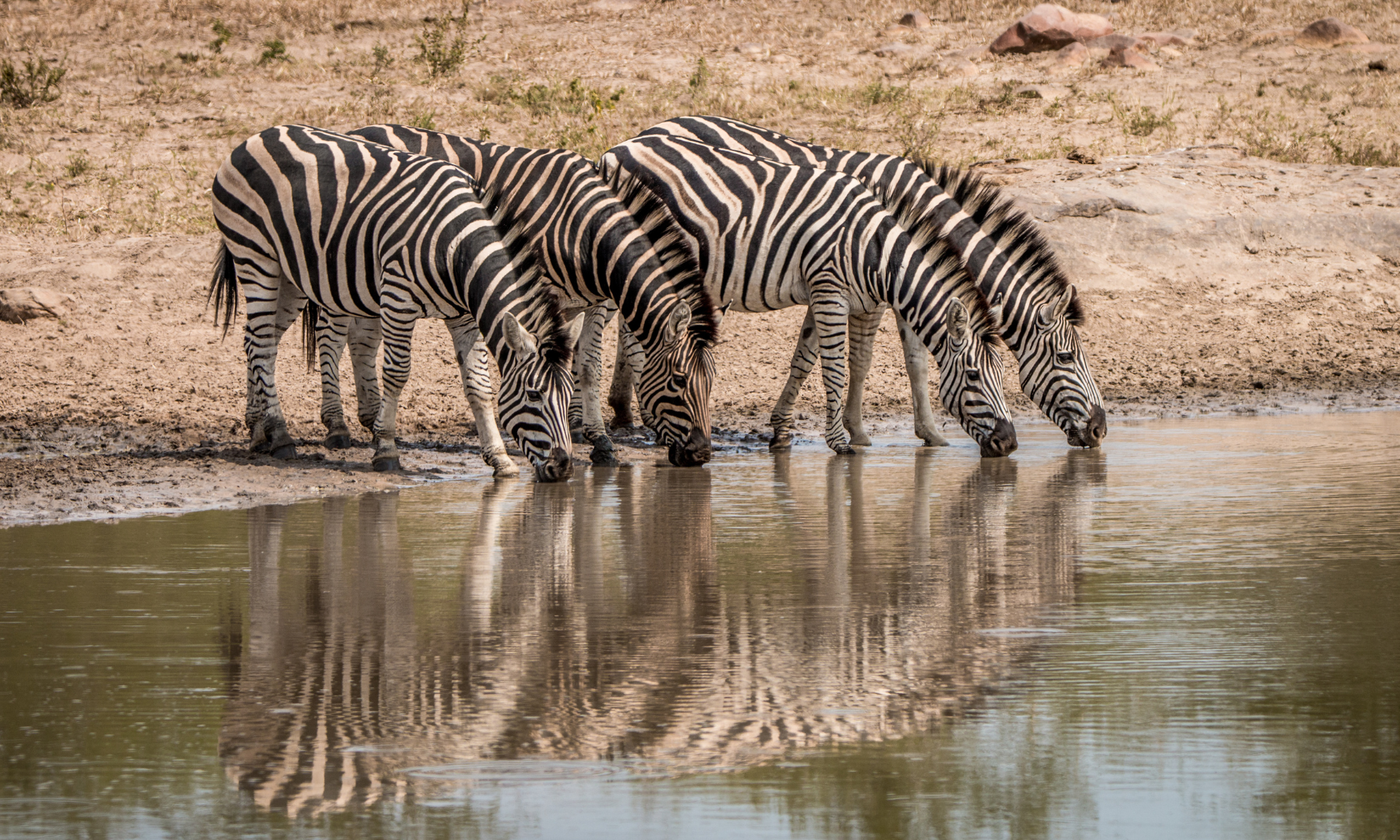
The Grazing Succession: Zebra, Buffalo & Wildebeest
These species work in a fascinating "grazing succession." Zebra move in first, using their strong upper teeth to crop the tall, coarse seed heads. Buffalo follow like heavy machinery, breaking down the tougher stalks and opening up the sward.
Then comes the Blue Wildebeest, often called the "lawn specialist." With their wide muzzles, wildebeest are designed to forage on the short, high-quality grass left behind by the zebra. Their constant trampling and feeding help maintain "grazing lawns," which are incredibly rich in nutrients. This partnership creates a mosaic of grass heights that benefits everything from tiny insects to ground-nesting birds.
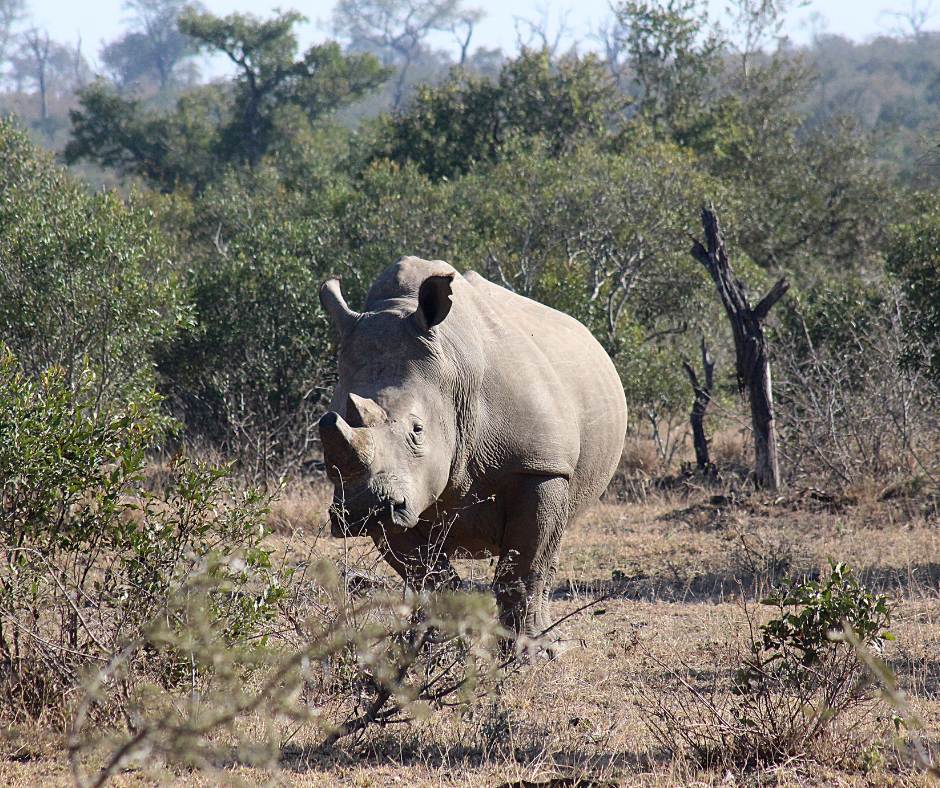
White Rhino: The Specialist
The White Rhino is the ultimate "lawn-mower." Their wide, square mouths allow them to crop grass extremely short. These lawns are biodiversity hotspots, kept in pristine condition simply by the rhino’s repeated feeding, which prevents the grass from becoming rank and inedible.
Browsers: Shaping the Skyline
Where grazers shape the ground, browsers manage the skyline. Their work keeps the savanna open and prevents the bush from becoming too "thick."
Giraffe: By feeding high in the canopy, Giraffe reduce pressure on lower vegetation. Their preference for thorny acacia species helps control woody expansion, keeping the views open for your morning game drives.
Kudu: These elegant browsers are highly selective, favouring the most nutritious leaves and shoots.
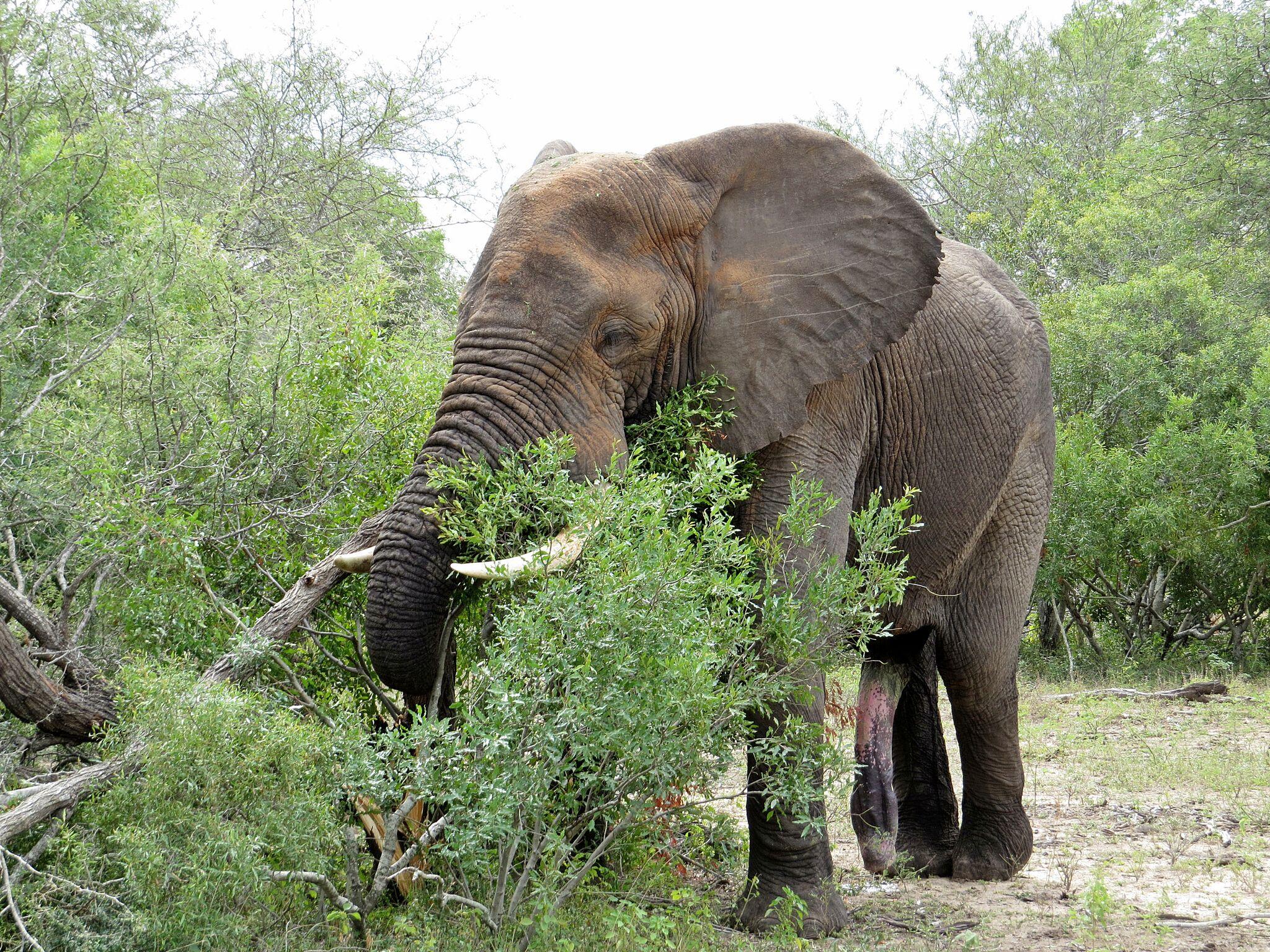
Elephant: Elephants are in a league of their own. They push over trees, strip bark, and open up thickets. While it may look like destruction, it actually creates vital habitats for smaller mammals and birds.
Mixed Feeders: Nature’s Adaptable Planners
Some herbivores are the "all-rounders" of the bush, switching between grass and leaves depending on the season.
The Ever-Present Impala
The Impala is the most successful mixed feeder in the Lowveld. By grazing on green grass in the summer and switching to browsing on leaves and seed pods in the dry winter, they maintain a constant pressure on the vegetation. Their high numbers mean they are responsible for keeping the undergrowth "tidy" around Marloth Park, ensuring that the bush doesn't become an overgrown tangle.
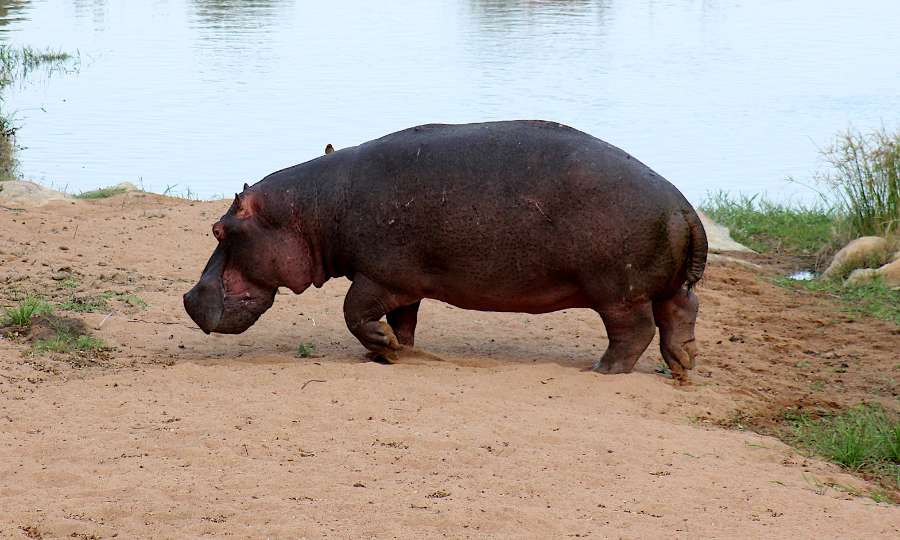
Hippo & Warthog
Hippos graze mostly at night, returning nutrients to the river through their dung. Warthogs graze low and dig for roots, aerating the soil as they go. This flexibility allows them to stabilise the ecosystem even during the toughest droughts.
Did You Know? Fast Herbivore Facts
Elephant Appetites: A single elephant can eat up to 300 kg of vegetation per day!
Wildebeest Wisdom: Wildebeest often follow zebras because zebras eat the "dead" top parts of the grass, exposing the green, nutritious shoots the wildebeest love.
Impala Adaptability: Impalas are so adaptable that they can change their entire diet within days to cope with a sudden change in weather.
Defensive Plants: Lowveld trees have evolved incredible defenses against being eaten; the Tamboti produces a toxic, blinding sap to deter browsers, while Acacias can actually "talk" by releasing ethylene gas to warn nearby trees to pump bitter tannins into their leaves the moment a giraffe starts nibbling.
Seeing the Bush With New Eyes
One of the greatest pleasures of choosing Marloth Park for your safari is watching this process unfold naturally. At Needles Lodge, you can watch life moving at its own pace. Whether it's a Kudu browsing at dusk or Warthogs trotting along the sandy tracks, you are seeing the landscapers of the Lowveld at work.
Once you know how these animals shape the land, every safari changes. The bush stops being "scenery" and becomes a story. Each grazing patch and broken branch is a landscape narrative written slowly and deliberately.
Planning your own nature adventure?
Explore our guide to unforgettable nature activities or find the perfect 8-day itinerary to see these quiet architects in action.


Share This Post