Discover the fascinating world of baboons in Kruger National Park and Marloth Park. Learn about their behaviour, intelligence, safety tips, and where to spot them near Needles Lodge.
A look at how responsible tourism, Fair Trade certification, SANParks community programmes, and lodges like Needles Lodge contribute to conservation and local livelihoods in the greater Kruger ecosystem.
Kruger National Park covers almost two million hectares. More than 85 communities live on its borders. For most of the park's first century, the relationship between those communities and the park was defined by exclusion: people were moved off the land, their access to resources was cut, and the economic benefits of wildlife tourism flowed past them.
That model is changing. SANParks now runs active community benefit programmes across the park's boundaries. A new Beneficiation Scheme, signed in 2025, gives land claimant communities structured access to tourism concessions, enterprise development, bursaries, and employment inside the park.
A certification system called Fair Trade Tourism holds private tourism businesses to standards that put fair wages, community investment, and environmental responsibility into a verifiable framework.
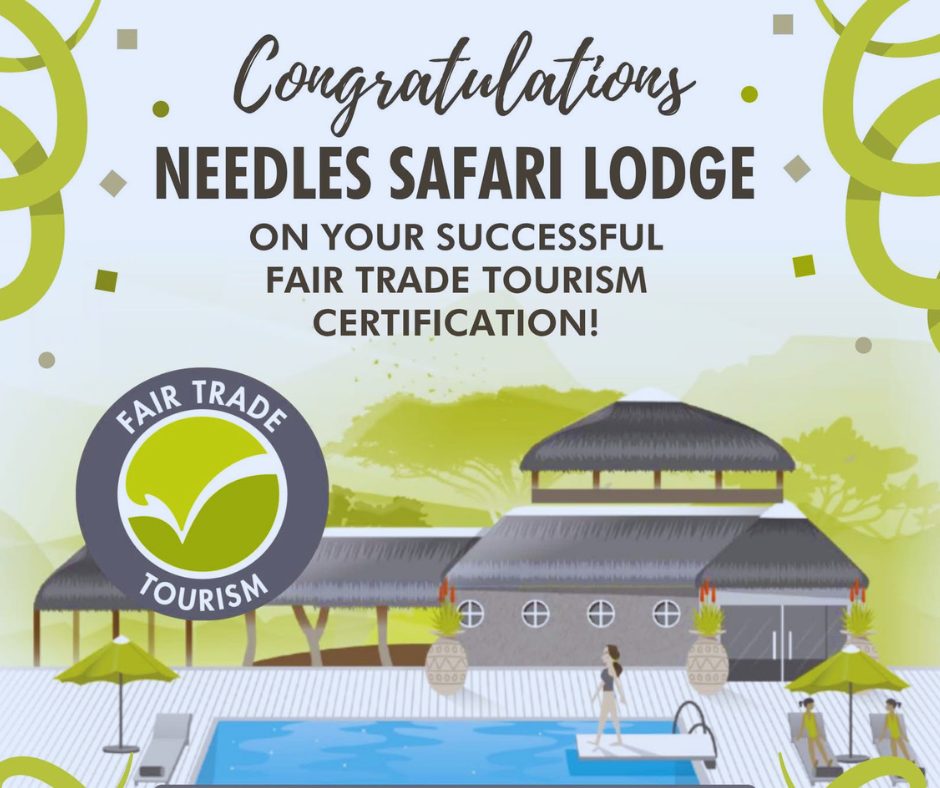
We are proud to say that Needles Lodge is one of those certified businesses. This article covers how the system works, what it means in practice, and why it matters for anyone choosing where to stay on a Kruger safari.
Why Communities Matter to Conservation
The argument for community involvement in conservation is practical, not just ethical. Kruger National Park shares long boundaries with communities that have high unemployment rates and limited economic alternatives.
When the park generates no direct benefit for those communities, the incentive to protect wildlife is weak. Poaching, bushmeat hunting, and illegal resource extraction are symptoms of that imbalance.
When communities earn livelihoods from a living park, the calculation changes. A field ranger whose family depends on tourism income has a concrete reason to report a snare or a suspicious vehicle. A school that receives supplies from a lodge's community programme is a school whose parents have a stake in the park's future.
Conservation economics has established this relationship clearly: parks surrounded by communities that benefit from them survive better than parks that treat their neighbours as a threat.
SANParks has moved toward this model steadily over the past two decades. The 2025 Beneficiation Scheme, coinciding with Kruger's centenary, is the most structured expression of it yet.
It does not transfer land ownership back to communities, but it creates formal pathways for communities to participate in tourism concessions, receive bursaries, access skills training, and take up employment inside the park.
What Fair Trade Tourism Is
Fair Trade Tourism (FTT) is Africa's leading responsible tourism certification programme. It was established in South Africa in 2001, initially as a project under the International Union for the Conservation of Nature (IUCN), and became an independent entity in 2004.
Its certification standard is among the first in the world to be officially recognised by the Global Sustainable Tourism Council.
The FTT certification rests on six principles:
- Fair Share: Equitable distribution of economic benefits
- Fair Say: Democratic decision-making and worker voice
- Respect: Respect for human rights, culture, and the environment
- Reliability: Honest representation of the business and its practices
- Transparency: Open financial and operational reporting
- Sustainability: Long-term environmental and social responsibility
To earn certification, a business undergoes an independent third-party audit against more than 180 criteria. The auditor conducts on-site visits, interviews staff and guests, reviews financial documents, and assesses the business's purchasing practices, wages, working conditions, and community contributions.
Certification is not permanent: audits are repeated every three years.
As of 2025, more than 79 businesses in South Africa hold FTT certification across hotels, lodges, and adventure tourism operators.
Tour operators can label a holiday package as FTT-approved if at least 50 percent of overnight stays or activities are at certified properties.
What the Six Principles Mean in Practice
Fair Share
Fair Share means that the people whose land, resources, and labour make tourism possible receive a fair portion of the income it generates: not just minimum wage, but wages that reflect the actual cost of living in the area, alongside benefits like medical aid, pension contributions, and paid leave.
Fair Say
Fair Say means that staff have a genuine voice in how the business operates. This includes formal grievance procedures, staff representation, and mechanisms for raising concerns without fear of retaliation.
Respect
Respect covers environmental stewardship, including waste management, energy use, water conservation, and protection of biodiversity. It also includes respect for the cultural heritage of surrounding communities and zero tolerance for exploitation.
Reliability and Transparency
Reliability and Transparency together require that businesses do not misrepresent their sustainability credentials and that their financial and operational practices are open to scrutiny.
Greenwashing, meaning presenting a business as more sustainable than it actually is, is specifically addressed in the audit process.
Sustainability
Sustainability covers the long view: is the business model one that can operate without depleting the natural and social resources it depends on?
Needles Lodge and Fair Trade Tourism
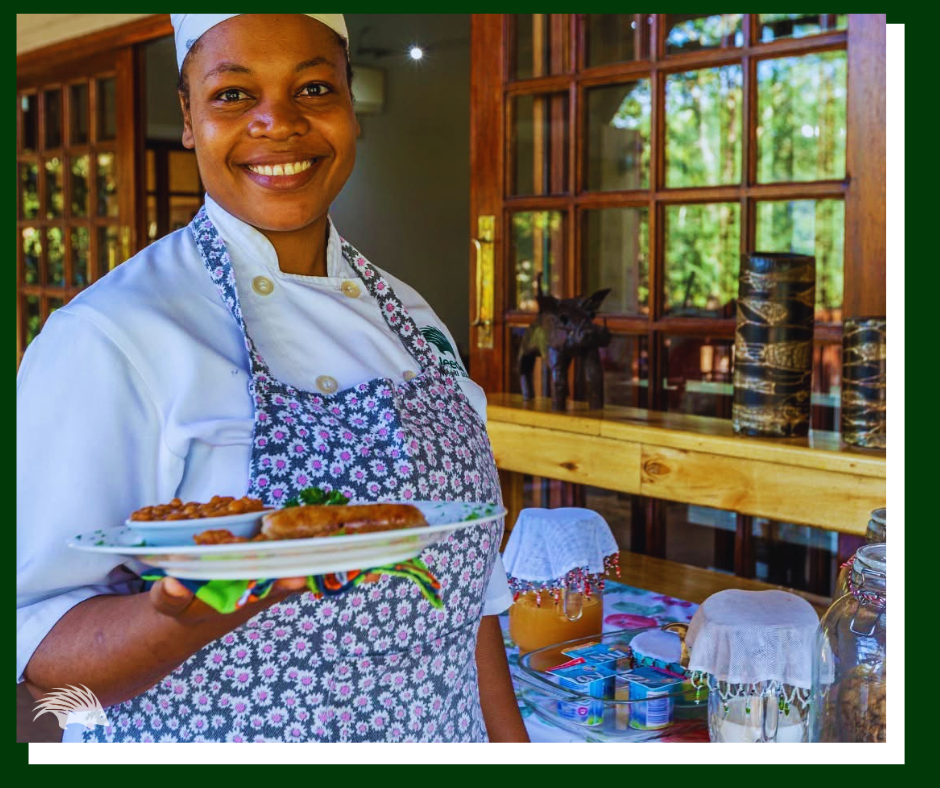
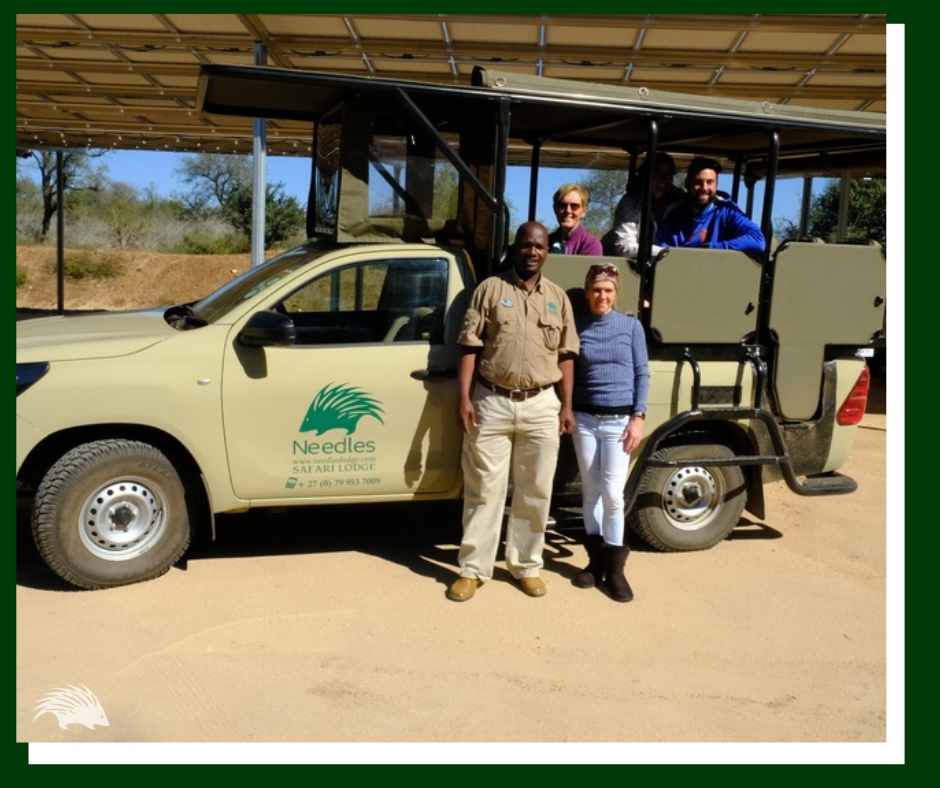
Needles Lodge is a Fair Trade Tourism certified property. The certification was earned through the full audit process, evaluated against all six FTT principles and more than 180 individual criteria.
As a proud South African business, we are committed to ensuring that every guest experience contributes to the long-term well-being of our region.
In practical terms, our FTT commitments include fair wages and safe working conditions for all staff, support for staff development, sourcing from local suppliers where possible, and active investment in community initiatives in the area.
One of those initiatives is the Komati Care Centre in Orlando, which supports homeless and unsupervised children. Needles Lodge makes monthly financial and other donations to the centre.
The lodge is also a member of The Code, an international initiative that requires tourism businesses to maintain a strict zero-tolerance policy toward the sexual exploitation of children. This includes staff training to recognise and report risks.
For guests, the FTT certification is a verifiable signal. It is not a marketing claim made by us: it is the result of an independent audit, conducted by a third party, against published standards.
By choosing Needles Lodge on the basis of FTT certification, guests have a reasonable basis for trusting that their accommodation costs are reaching the people and places the lodge says they are.
The Broader Picture: Tourism Revenue and Anti-Poaching
Kruger National Park receives around one million visitors per year. The revenue from conservation fees, accommodation, and tourism concessions funds the park's operations, including its anti-poaching effort.
South Africa has the largest rhino population in the world, and Kruger is central to that population's survival. The park has invested in forensic DNA technology to track the illegal horn trade, sensor networks, drones, and AI-assisted monitoring for real-time anti-poaching coverage.
None of that is cheap. The direct link between visitor numbers, tourism revenue, and the park's capacity to protect its wildlife is straightforward: fewer visitors means less income, which means reduced capacity.
The conservation fee paid at the gate is not just an entry charge. It funds rangers, vehicles, fences, technology, and the staff who maintain them.
Private lodges outside the park contribute to this picture through a different channel. Marloth Park is a 2,300-hectare private conservation area on Kruger's southern boundary. It shares 15 kilometres of border with the Crocodile River and the park beyond.
The wildlife that moves through Marloth Park properties crosses freely between the two areas. The lodges that operate there, including Needles Lodge, generate employment and local procurement that feeds into the same communities that border the park.
What Visitors Can Do
The choices visitors make have direct consequences. Staying at an FTT-certified property instead of an uncertified one shifts money toward businesses that meet a verified standard for wages, community investment, and environmental practice.
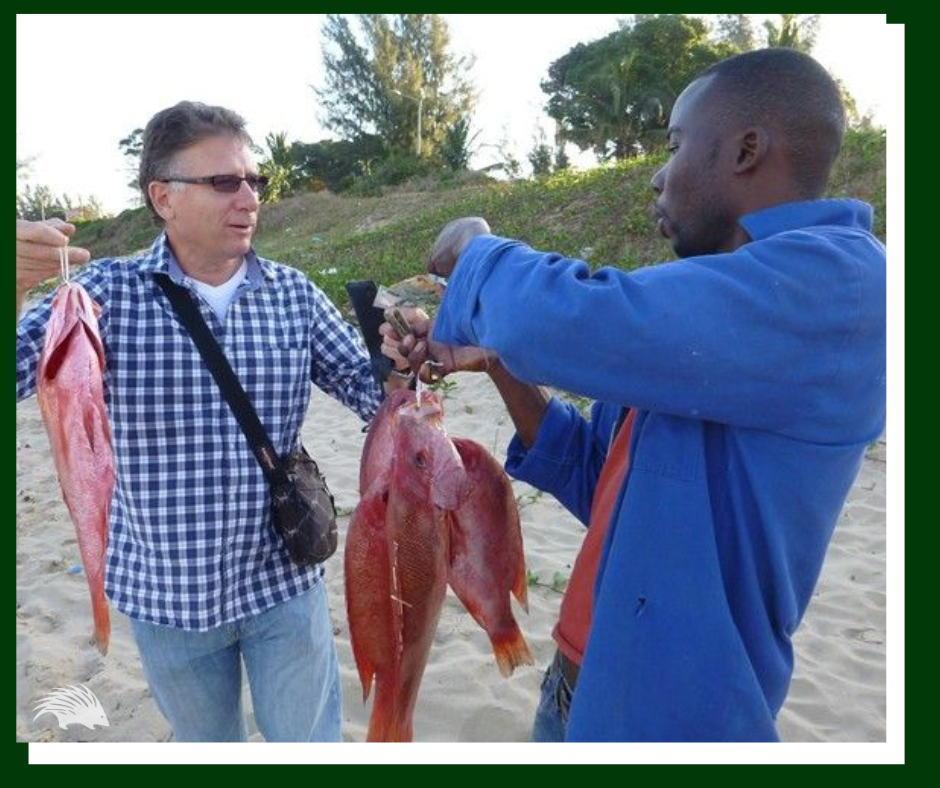
Paying the SANParks conservation fee and entering the park funds ranger salaries and anti-poaching operations. Buying from local craft markets and community enterprises puts income directly into households in the communities that border the park.
None of this requires sacrificing comfort or convenience. The FTT-certified properties in the Kruger region include lodges at every price point.
Frequently Asked Questions
What is Fair Trade Tourism in South Africa?
Fair Trade Tourism (FTT) is an independent certification programme for tourism businesses in Africa, established in South Africa in 2001.
It certifies businesses against more than 180 criteria across six principles: Fair Share, Fair Say, Respect, Reliability, Transparency, and Sustainability.
Certified businesses undergo an independent third-party audit every three years. The standard is recognised by the Global Sustainable Tourism Council. More than 79 businesses in South Africa currently hold FTT certification.
Is Needles Lodge Fair Trade Tourism certified?
Yes. Needles Lodge in Marloth Park is a Fair Trade Tourism certified property.
The certification was earned through an independent audit against all six FTT principles and more than 180 individual criteria, including on-site staff and guest interviews, document reviews, and assessment of the lodge's wages, working conditions, community contributions, and environmental practices.
How does tourism revenue benefit communities around Kruger?
Tourism revenue reaches communities around Kruger through several channels.
SANParks employs staff from surrounding communities across its rest camps and field operations and runs programmes including the Biodiversity Social Projects, which employ around 600 people, and the Skukuza Indigenous Nursery.
The 2025 Beneficiation Scheme gives land claimant communities structured access to tourism concessions, bursaries, skills training, and employment.
Private lodges in the area, including FTT-certified properties like Needles Lodge, contribute through local employment, supplier procurement, and direct community donations.
What is the Makuleke Concession in Kruger?
The Makuleke Concession is in the far north of Kruger National Park, between the Luvuvhu and Limpopo rivers.
The Makuleke community was forcibly removed from the area in 1969 and had its land rights restored in 1998.
Rather than removing the land from the park, the community entered a partnership with SANParks and Wilderness Safaris to operate tourism concessions on it. The revenues go to the community, and the land remains part of Kruger.
What is The Code in tourism?
The Code is an international initiative that requires tourism businesses to maintain a zero-tolerance policy toward the sexual exploitation of children.
Member businesses train staff to recognise and report risks and create safe environments for children in the properties and areas where they operate. Needles Lodge is a member of The Code.
Does paying the Kruger conservation fee go to conservation?
Yes. The conservation fee paid at Kruger's gates funds SANParks' park operations, including ranger salaries, anti-poaching technology, infrastructure maintenance, and community programmes.
Share This Post